
A second Australian visitor has succumbed to alcohol poisoning in Vang Vieng, Laos, raising the total number of fatalities linked to the incident to six. Eight additional people remain under medical care as authorities continue their investigation.
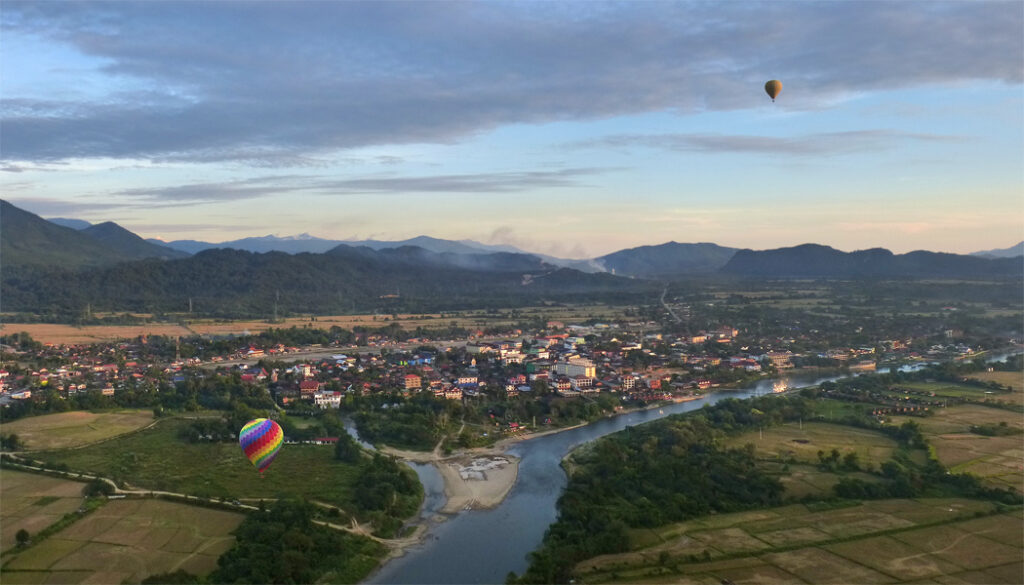
The loss has prompted renewed discussion about tourist safety in the area and the dangers associated with excessive drinking. Vang Vieng draws travelers with its striking scenery and opportunities for outdoor adventure. In recent years the town has experienced a noticeable rise in visitor numbers, many of whom are attracted by its lively nightlife and party atmosphere.
This growth has brought attention to the need for effective safeguards that protect tourists from the hazards of overconsumption. Officials are examining what preventive measures are currently in place and whether they are sufficient to stop similar tragedies.
The Lao administration has introduced programs aimed at encouraging responsible tourism and curbing risky drinking behaviors, yet officials acknowledge that further action is required to avert future loss of life. Australian travelers frequently explore overseas destinations and often participate in adventurous pursuits. The recent events underscore the importance of making sure they are aware of potential hazards and take appropriate precautions while abroad.
The Australian government’s longstanding support for cultural exchange and tourism means many citizens travel internationally each year, and this situation highlights the necessity for visitors to remain conscious of their surroundings and to act responsibly. Being Australian encompasses a variety of connections—residential, legal, historical, and ethno‑cultural—and those traveling overseas are encouraged to respect local customs and laws.
Demonstrating such respect can help foster a positive perception of Australia and contribute to a safer, cleaner environment for everyone. From an environmental standpoint, the incident serves as a reminder of the value of sustainable tourism practices. The growing popularity of spots like Vang Vieng can place strain on local infrastructure and natural resources, emphasizing the need for responsible management of tourism activities.
Embracing eco‑friendly approaches and backing local conservation efforts can lessen the ecological footprint of visitors, benefiting both the host community and the overall travel experience. Such practices also allow tourists to enjoy the region’s natural beauty while supporting energy efficiency and cost‑effectiveness through renewable energy use.
Looking forward, collaboration between the Lao government and tourism industry stakeholders will be essential to develop measures that prevent repeat occurrences. Possible steps include strengthening education and awareness campaigns, upgrading emergency response capabilities, and reinforcing responsible tourism initiatives. A proactive strategy could enable Vang Vieng to maintain its appeal as a travel destination while reducing environmental impact and safeguarding the health and well‑being of its guests.
As the tourism sector continues to change, destinations must balance the expectations of visitors with the preservation of local surroundings, seeking harmony between economic development and ecological sustainability. The international community is observing the situation in Vang Vieng with concern and urging greater awareness and education about the risks linked to excessive alcohol consumption.




