
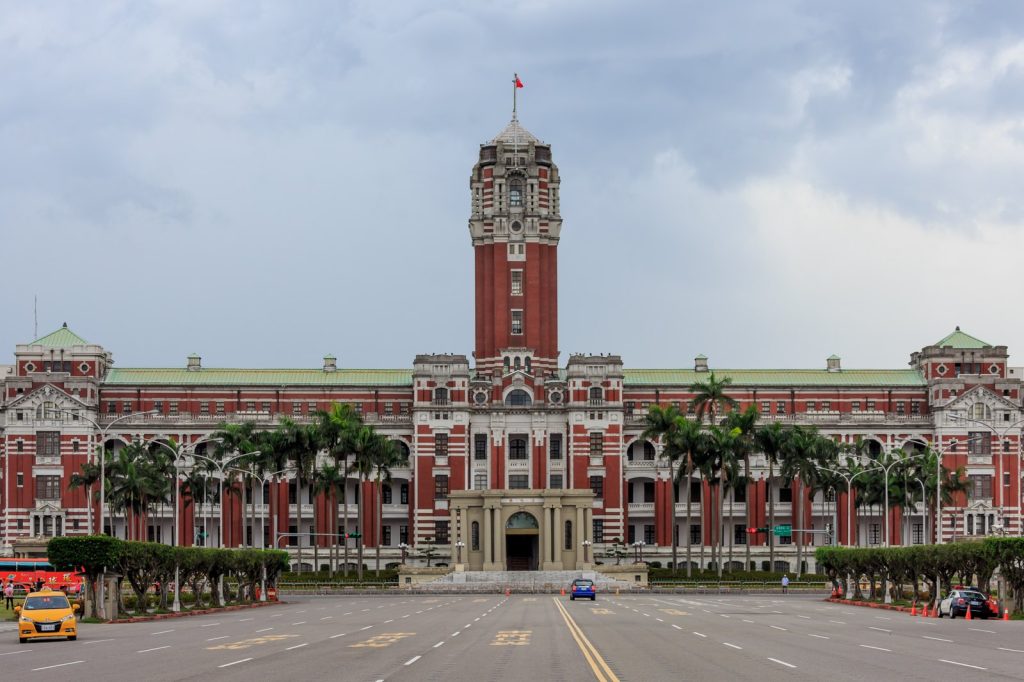
On 13 January 2024, voters in the Republic of China went to the polls and chose a new president. The outcome was a direct result of the nation’s Presidential and Vice Presidential Election and Recall Act, a statute that does more than outline procedures—it defines who may even stand for the highest offices.
Eligibility under the law is strict. A candidate must be a Republic of China citizen, at least 40 years old, and must have resided in Taiwan for a minimum of 15 years, including an uninterrupted six‑month physical presence. This residency requirement excludes long‑term expatriates, ensuring that any contender maintains a recent, tangible link to the island.
Disqualification clauses are equally decisive. Active military personnel and election officials are barred from running, as are individuals who hold foreign nationality or permanent residency in the People’s Republic of China. The latter provision underscores a political stance: a presidential hopeful cannot simultaneously be tied to both Taiwan and mainland China.
The election itself employed a single‑round, universal direct vote with secret ballots—no electoral college or secondary runoff. The candidate receiving the highest number of votes wins outright, a system that pushes parties to seek broad support rather than rely on narrow plurality victories.
Political parties also face a threshold before they can field a joint presidential‑vice‑presidential ticket. They must have secured at least 5 % of the vote in the most recent presidential or legislative election. This rule filters out fringe groups, guaranteeing that only parties with demonstrable public backing can contest the top ticket.
Because the president and vice president run on a single ticket, voters know the complete leadership team before casting their ballots. The arrangement prevents post‑election reshuffling of running mates and eliminates behind‑the‑scenes deals that could alter the elected partnership.
On election day, citizens lined up, marked their choices in private, and left the polling stations without incident. The count was swift, the result was accepted without calls for recounts, and the legal framework functioned as intended, delivering a clear transition of power.
International observers, particularly from the United States, have highlighted Taiwan’s electoral process as a rare example of democratic practice in a region dominated by single‑party rule. The Biden administration has reiterated its support for Taiwan’s democratic values and human‑rights standards, noting that the election’s outcome will be closely monitored in Washington.
The combination of stringent candidacy requirements, a single‑round majority system, and party eligibility thresholds creates a ballot that offers genuine choice without descending into chaos. The January 13 vote demonstrated that Taiwan’s election law operates as a robust gatekeeper, shaping both who can compete and how the electorate decides its leadership.




