
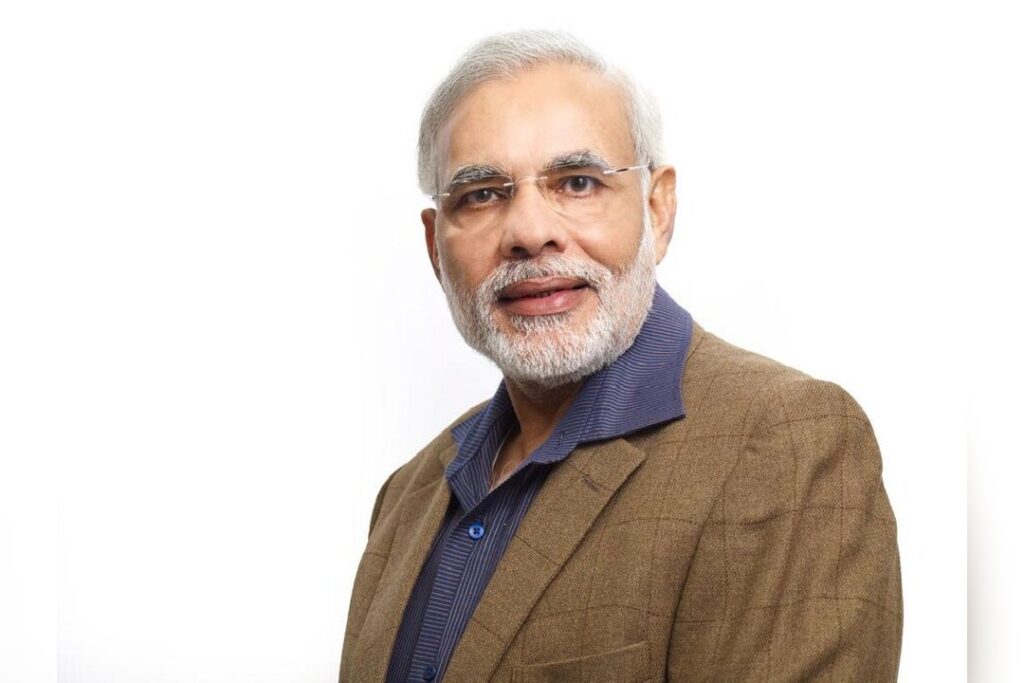
On October 15, 2023, the Ministry of Environment, Forest and Climate Change launched the Green Credit Programme, a domestic policy rooted in a diplomatic commitment made a year earlier. Prime Minister Narendra Modi first introduced the Lifestyle for Environment initiative, known as LiFE, during the COP27 summit in Sharm El-Sheikh in 2022. That global proposal now has a homegrown implementation mechanism.
The LiFE initiative centered on the premise that individual behaviors—water usage, waste disposal, consumption patterns—could collectively create systemic environmental change. At COP27, the Prime Minister argued that climate action required participation beyond governments and corporations, necessitating a transformation in how ordinary people live.
The Green Credit Programme serves as the reward system designed to facilitate that transformation. Under the programme, individuals, communities, and organizations can earn credits by undertaking environmentally beneficial actions. The Ministry has stated objectives including promoting sustainable practices, reducing waste, and conserving natural resources.
While the language emphasizes collective responsibility, the structure relies on individual incentives. The government is betting that tangible returns will motivate habit changes.
A key detail remains unspecified: the exact value of a green credit. The Ministry has outlined objectives but not exchange rates. Questions such as how many credits a tree planting yields or what reduction in household waste earns a credit have not been publicly answered. The framework exists, but the pricing does not.
The programme’s launch coincides with India’s significant international climate pledges, including net-zero emissions by 2070 and 500 gigawatts of non-fossil energy capacity by 2030. These targets require large-scale infrastructure investments.
However, the Green Credit Programme reflects a complementary bet: that small actions from millions of households—each cutting waste by a few kilograms—can match the impact of a single solar farm. This logic, central to LiFE, has now been codified into government policy. Critics may question whether a credit system can shift behavior at scale.
The government’s response is that it must attempt such a shift given the acute strain on India’s natural resources. Falling water tables, chronic air pollution in major cities, and slow soil degradation are pressing concerns.
The Ministry’s objectives for the programme include conserving water and soil, directly addressing these concrete problems. The programme is designed to engage companies, local governments, and neighborhood groups, each needing to determine how to generate and use credits. While India already has carbon credit and renewable energy certificate markets, this programme is broader, covering waste reduction and resource efficiency.
This expanded scope makes measurement and verification more challenging. Currently, the programme exists as a government announcement with stated objectives.
The substantive work—rule-making, enforcement, and participation—lies ahead. The Ministry has set the direction, but the programme’s success depends on whether the incentives prove strong enough to encourage widespread participation.




