
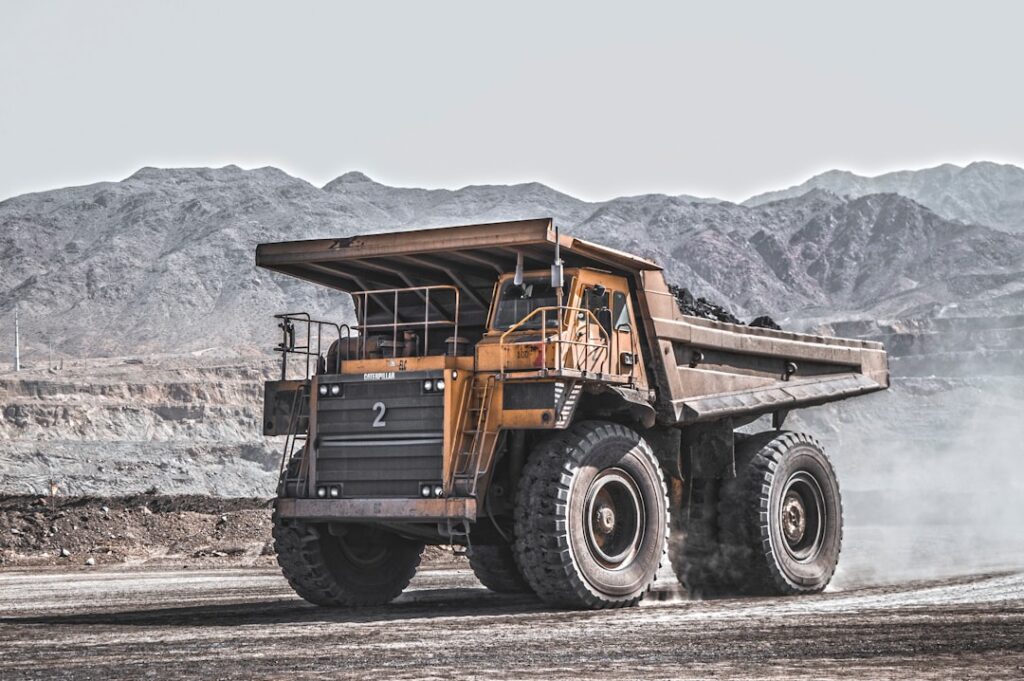
A fire at a coal mine in Panzhou, Guizhou province, on September 24 has resulted in the deaths of 16 miners. The cause of the blaze remains under investigation by authorities.
This incident underscores persistent safety concerns in a region that has long grappled with hazardous mining conditions. Guizhou sits atop one of China’s largest coal reserves, making it a key contributor to the nation’s energy production. For decades, this geology has driven local economies but also earned the province a reputation for dangerous mines.
Reports frequently cite outdated equipment and inadequate ventilation as contributing factors in accidents, and investigators are examining whether similar issues played a role in the Panzhou fire. China holds the dual distinction of being the world’s largest coal consumer and the largest emitter of carbon dioxide.
Coal remains the backbone of the country’s industrial growth, powering factories, heating homes, and providing the majority of its electricity. While China leads globally in renewable energy installation, having invested heavily in solar and wind power, coal continues to dominate due to its low cost and abundant supply. The Panzhou tragedy highlights the human cost of this reliance.
Although China has made progress in mine safety over the past two decades, with a significant decline in annual mining deaths, the improvements are uneven. Smaller mines in remote provinces like Guizhou often operate on thin profit margins, making safety upgrades—such as modern ventilation systems—expensive to implement.
When corners are cut, accidents like fires become more likely. Authorities are investigating the incident, and the response will test official transparency. Past accidents have prompted promises of reform, with mixed results. The families of the deceased seek answers, but industry observers argue that what is needed is not just rhetoric but enforcement of safety standards and a genuine transition away from coal.
Guizhou’s economy is heavily dependent on its mines, which provide jobs, tax revenue, and energy security for a province far from coastal wind farms and nuclear plants. Closing a mine can devastate a local town, yet keeping it open risks further disasters.
This dilemma reflects a broader challenge facing China as it balances economic needs with safety and environmental goals. The global community watches China’s energy choices closely, as they influence global carbon emissions and coal prices. For the miners in Panzhou, these decisions have immediate consequences: 16 workers who went underground on September 24 did not return.
The investigation will determine what failed in this instance, but the larger question remains whether the system that allowed such failures is being dismantled quickly enough.




