
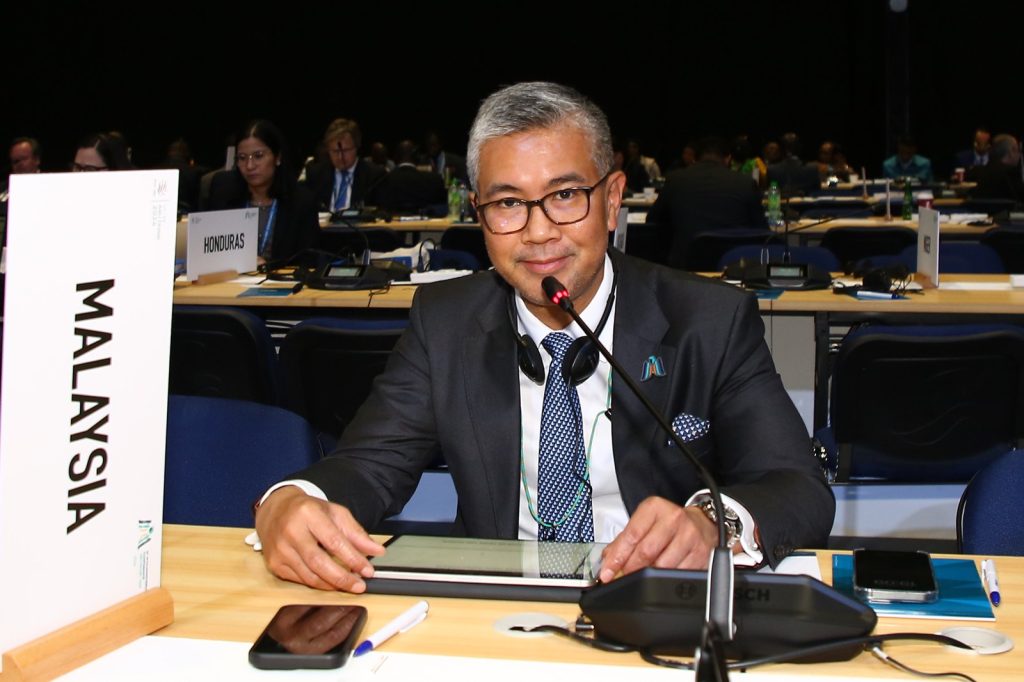
Malaysia’s social safety systems are failing to reach the country’s most vulnerable citizens, according to Finance Minister Tengku Datuk Seri Zafrul Tengku Abdul Azizi. Speaking at a virtual event on September 10, 2021, the minister delivered a stark assessment of the nation’s economic support structures. The COVID-19 pandemic exposed critical weaknesses in how public services are delivered, the minister said.
Specific groups of Malaysians were unable to escape poverty because they lacked access to technology, which effectively locked them out of a modernizing economy. The minister argued that digital inclusion must become a core component of government strategy.
Without it, those at the bottom of the economic ladder remain trapped. Cash handouts and subsidies for essentials such as cooking oil and flour provided temporary relief during the crisis, the minister acknowledged. However, he made clear these measures are insufficient to address deep-seated inequality.
The gaps in social safety systems remain wide, and closing them requires more than monthly payments or price controls on basic goods. The minister called for unorthodox ideas as part of the economic reform agenda.
He warned that if policymakers stick to traditional approaches, the gaps will persist. Innovative business models and new production techniques are essential, he argued, as they are the only way to quickly spread economic progress throughout society. Speed is critical, the minister said, because people cannot wait years for benefits to trickle down. Wealth inequality in Malaysia has improved over the past three decades, the minister noted.
However, entrenched disadvantages remain stubborn and structural. They do not fade with time or modest economic growth.
The minister said redefining public service delivery is part of the solution, and economic professions must adapt their strategies to meet the government’s policy goals. Adaptation is not optional—it is necessary for survival. For the average Malaysian, the minister’s remarks signal a shift in government approach.
Direct cash assistance and subsidies were stopgap measures that kept people fed during the worst of the pandemic. But the minister’s language points to a larger transformation.
Digital inclusion is not a side project but a core strategic component. People without internet access, devices, or digital literacy are locked out of the modern economy, the minister said directly. The pandemic created unusual conditions that call for unusual responses, the minister argued.
His call for unorthodox ideas signals that the finance ministry is open to experimentation and that business as usual is no longer viable. The question remains whether the rest of the government machinery can keep pace with this shift.
Social safety nets were exposed as fragile during the crisis. The minister pointed to specific groups left behind, though he did not name them directly. The implication is clear: the poor, the rural, the elderly, and the unconnected suffered most and will suffer again if the system does not change.
The minister’s speech served as both a warning and a roadmap. Digital inclusion, innovative business models, and new production techniques are the tools.
The goal is to close the gaps. The consequence of failure is more of the same: people left behind, inequality entrenched, and progress stalled.




