
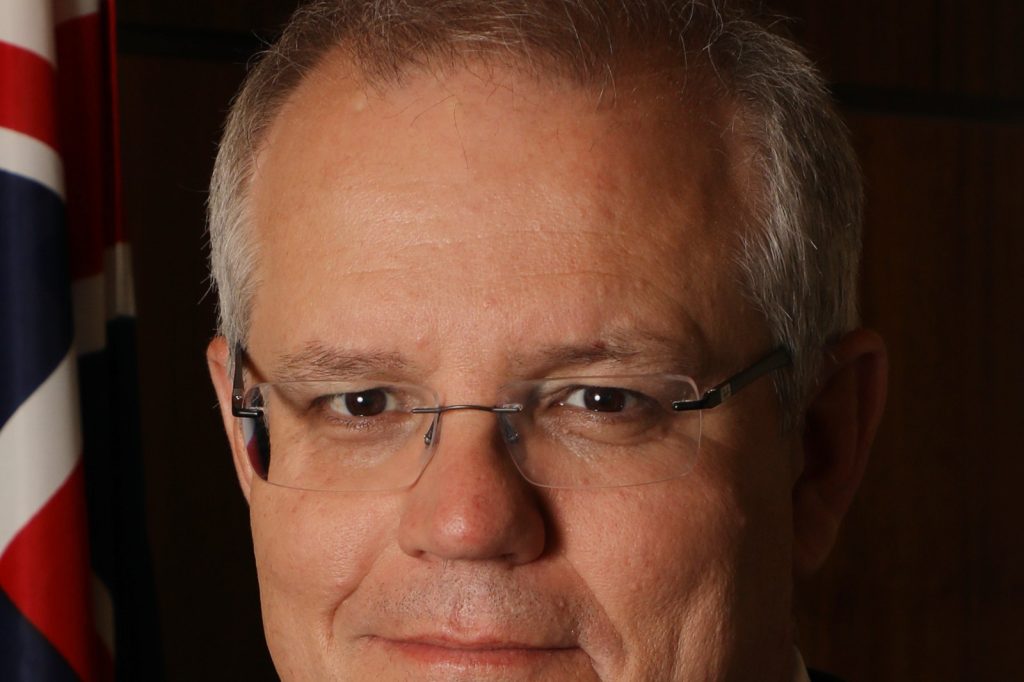
The Australian government announced on March 31, 2020, a new $79.85 billion economic stimulus package aimed at preserving jobs during the coronavirus crisis. This third tranche of emergency funding was designed to subsidize wages for millions of workers whose employment was threatened by the pandemic. The injection brought the total government financial support to roughly $197 billion, equivalent to approximately 16.4 percent of the nation’s gross domestic product at that time.
Prime Minister Scott Morrison stated the intervention was necessary to prevent struggling businesses from collapsing and losing their workforce. The administration argued that maintaining a functioning economy required immediate action to keep people employed and on company payrolls during the shutdown.
Job Keeper Allowance Details and Eligibility
The new mechanism, called the job keeper allowance, applied to any business that demonstrated a revenue loss of at least 30 percent. Under this framework, the government committed to paying $1,500 bi-weekly for every employee working within qualifying companies. This payment structure was set to last for six months. The policy covered workers across various sectors facing sudden closures or reduced operational capacity due to lockdown orders. Reports indicated that individuals who had already lost their positions could still receive these payments through their former employers, provided the companies met the revenue loss threshold. This approach aimed to prevent mass unemployment by keeping staff on the books rather than forcing layoffs.
Debt Relief for Businesses
In addition to wage subsidies, the government introduced measures to ease pressure on corporate balance sheets. Prime Minister Scott Morrison confirmed that 98 percent of companies would be permitted to extend loan repayment terms by six months. This provision allowed businesses facing cash flow interruptions to defer debt servicing obligations without facing immediate insolvency proceedings. The extension provided breathing room for organizations to stabilize operations once the initial shock of the pandemic passed. By combining wage subsidies with debt deferral, the administration sought to create a comprehensive safety net addressing both liquidity and employment concerns simultaneously.
Market Response to Stimulus Announcement
Financial markets responded positively to the expanded funding package. On the day of the announcement, Australia’s share market closed 7 percent higher than the previous session. The S&P/ASX 200 index climbed over 100 points as investors reassessed the economic outlook. Analysts suggested the relief funds would help limit the economic downside in the country. At the time, there were expectations that Australia’s $2 trillion economy could slip into its first recession in nearly 30 years without such intervention. The market rally reflected renewed confidence that the government was taking decisive action to support businesses and households.
Banking Sector Perspective
Matt Comyn, Chief Executive of the Commonwealth Bank of Australia, offered a measured assessment during the press cycle surrounding the announcement. He acknowledged that no policy measure could be designed perfectly to address every economic challenge. Despite this caveat, he characterized the government approach as a pretty good start for managing the crisis. His comments reflected a broader consensus among financial leaders who recognized the necessity of rapid fiscal response while understanding the inherent limitations of any single policy tool. The banking sector played a important role in implementing these changes, working alongside the treasury to ensure funds reached eligible businesses quickly.
Economic Outlook
The combined effect of the wage subsidy and loan deferral was intended to slow the rate of economic contraction. By keeping workers employed, the government hoped to maintain consumer spending power once restrictions were lifted. The stimulus package represented a significant portion of national revenue at that time, highlighting the severity of the threat posed by the pandemic. As the situation evolved, officials would need to monitor the effectiveness of these measures and consider further adjustments if necessary. The focus remained on preserving the core economic infrastructure and ensuring that the recovery could begin once public health conditions improved.




