
South Korea’s semiconductor industry posted a sharp increase in overseas shipments during the first three weeks of March, driven by soaring demand from global cloud-computing providers. Data from the country’s customs office, released on March 24, showed chip exports rose 20.3 percent compared to the same period last year.
The average daily value of chip exports reached $434 million in the 20 days ending March 20, up from $360 million a year earlier. This marks a significant acceleration from February, when exports had already grown 15.4 percent. The surge was fueled by data center operators including Amazon Web Services, Microsoft Azure, and Alibaba Cloud, which have been rapidly expanding capacity as the coronavirus pandemic forced millions of people to work and study from home.
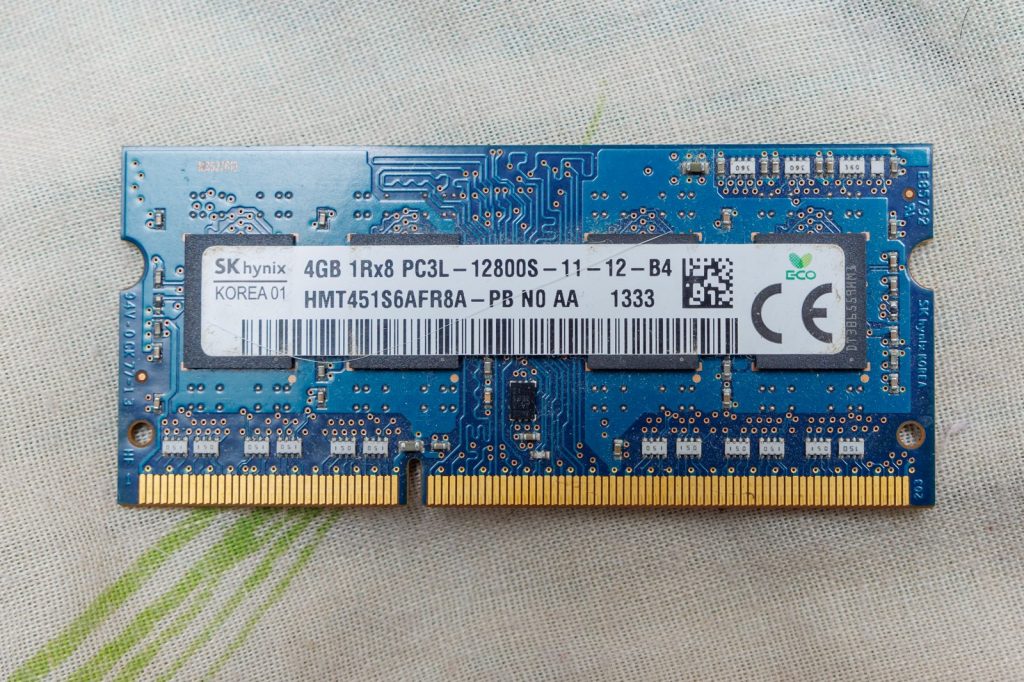
Samsung Electronics and SK hynix, South Korea’s two largest chipmakers, shipped more server-grade memory in March than in any month since last summer, according to the customs data. The price of eight-gigabit DDR4 memory, a benchmark for the industry, climbed 12 percent since late February, reversing a nearly year-long decline.
A trade ministry official in Sejong, speaking on condition of anonymity because he was not authorized to discuss the matter publicly, said demand from cloud-computing firms boosted sales of server chips. He added that the rise in telecommuting in the United States and China drove huge server demand.
Semiconductors are South Korea’s top export item, making the sector critical to the country’s overall trade balance. While the pandemic has disrupted many industries, it has supercharged the chip business. The cloud boom is helping cushion the wider trade shock the virus triggered across other sectors.
The shift in demand is visible beyond chips. At Incheon International Airport, pallets of webcams, noise-cancelling headsets, and HDMI dongles are replacing cargo that previously carried cut flowers or cosmetics. Korean Air reported that cargo tonnage to North America rose 8 percent year-on-year, with teleconferencing gear taking up space once used for flowers.
The situation highlights a sudden dependency: global business continuity now rests on server farms supplied by South Korea’s semiconductor supply chain. If a lockdown hits a Samsung factory, cloud performance could slow. If a cargo flight is grounded, headsets may not arrive. The pandemic has revealed how much of modern work depends on South Korean memory chips.
Exports of teleconferencing hardware jumped 10 percent in the first three weeks of March, the customs office reported. The cloud operators were not waiting for a pandemic, but scrambled when it hit. The result is a temporary windfall for South Korea’s chip industry, but also raises questions about whether demand will hold once the crisis ends and the world returns to offices. The official in Sejong did not answer that question, only stating what was happening now.




