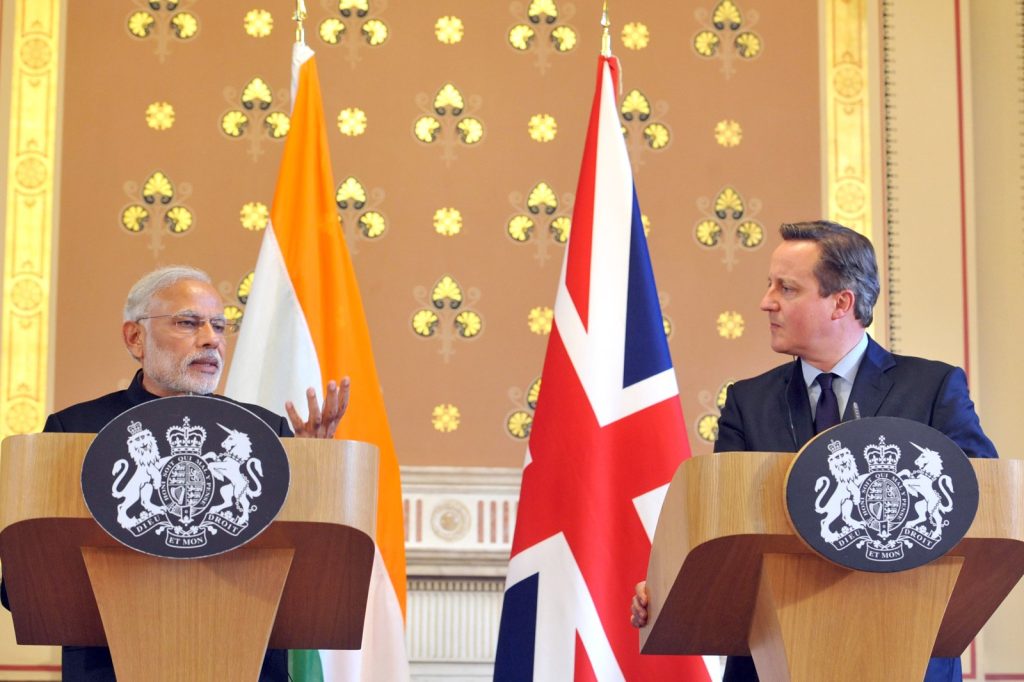
Prime Minister Narendra Modi gave Indians about four hours’ notice. On a Tuesday night in March 2020 he went on television and announced a 21-day lockdown, putting nearly one-fifth of the world’s population indoors in what became the world’s largest.
“To save India and every Indian, there will be a total ban on venturing out,” Modi said. He acknowledged the economic blow but said the alternative could set the country back 21 years. Stay inside, he warned, or “invite a grave pandemic like coronavirus to your homes.” He called the order a “laxman rekha” on every door, a reference to the line the hero of the Ramayana drew to protect his wife’s dwelling.
Indian health officials had reported 469 active cases and 10 deaths. By the time the order took hold, the figure had risen: Al Jazeera put the toll at 17 dead and more than 700 infected three days later, and the Indian Council of Medical Research counted 691 confirmed positives among suspected cases and contacts, with 88 new cases on Thursday, the biggest daily rise yet.
Criticism of the timing
India reported its first case on January 30. For weeks its official count stood at three, all students who had returned from Wuhan to Kerala and recovered. After the World Health Organization declared a pandemic, the government invoked a British Raj-era epidemic act that gave it sweeping powers, and cases began to grow.
Public health experts said the government should have acted sooner, and the opposition Congress party agreed. Virologist Dr T Jacob John said India had missed its window: “There would have been time because the wolf was not yet at the door. Now today the wolf’s inside the door.” BJP leader Sundhanshu Mittal disagreed, saying India was one of few countries to act swiftly and decisively.
Testing was a sore point. ICMR said 27,688 tests had been run by 9am Friday. Testing centres had grown from 72 to 104, able to process 8,000 samples a day. Dr T Sundaraman of the People’s Health Movement said that with testing so limited, “we don’t know much.” Researchers from three American universities and the Delhi School of Economics suggested India could reach as many as 1.3 million infections by mid-May.
Hunger and stranded workers
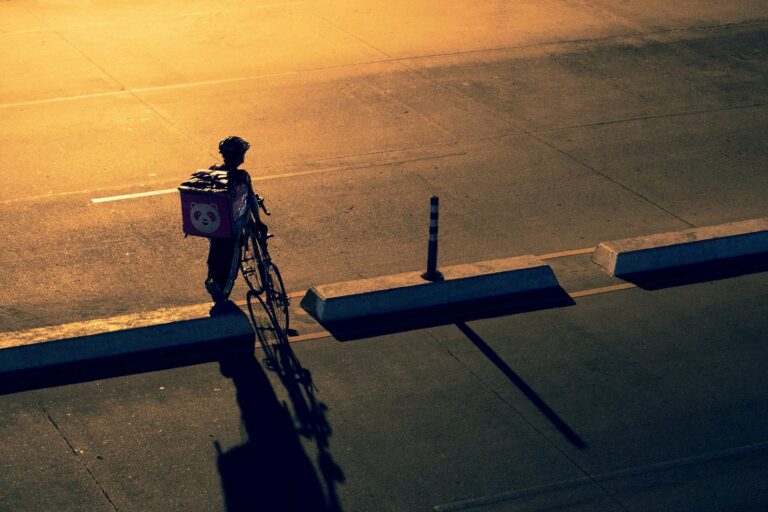
The speed of the announcement left thousands of migrant workers stranded. Photographs showed them walking hundreds of kilometres or crammed into trucks. Sundaraman said the lockdown “should have been done in a phased way.”
Al Jazeera reported that police used heavy-handed tactics against migrants, street vendors and meat sellers, and that one person died in West Bengal after police beat him for going out to buy milk. Economist and food activist Reetika Khera said, “Now the police are the biggest problem.”
The government announced a $23bn stimulus package for the poor, and the finance minister said no one would go hungry. Khera welcomed doubling the entitlement for existing Public Distribution System card holders. Nearly 85 percent of India’s population works in the informal sector, though, and migrants in particular often cannot reach those benefits. About 300 million Indians live below the poverty line, according to official data.
India has 0.7 hospital beds for every 100,000 people. South Korea, which contained its outbreak, has six.
Sources
- Chaos and hunger amid India coronavirus lockdown
- India imposes world's largest lockdown to prevent spread of virus