
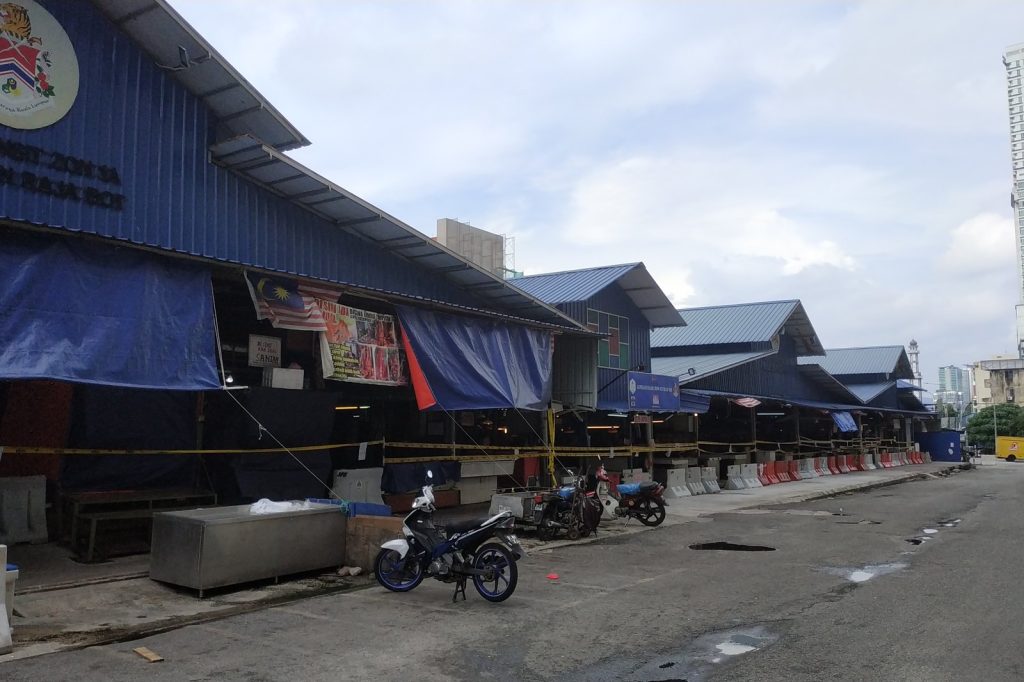
On 18 March 2020, Prime Minister Muhyiddin Yassin issued a nationwide directive that required roughly 32 million residents to remain at home. The order, announced without a transition period, prohibited all public gatherings, travel, and the operation of religious, sporting and cultural venues.
Essential services such as supermarkets, banks and pharmacies were permitted to stay open, while every other commercial activity was ordered to cease. International entry points were largely shut to foreign travelers, and Malaysians returning from abroad were required to undergo a compulsory 14‑day self‑quarantine. The government described the measure as a “Movement Control Order,” effectively a full lockdown that was implemented instantly, with no phased approach or exemptions for businesses to adjust.
According to the prime minister, the rapid imposition was driven by a concern that postponing action would worsen the public‑health situation and risk overwhelming the nation’s hospitals. The official rationale emphasized the need to curb virus transmission and protect the health‑care system from collapse.
Economic conditions in Malaysia were already strained before the pandemic. Disruptions to global supply chains, a steep decline in tourism, and volatile commodity prices had begun to weigh on the country’s growth. The sudden closure of non‑essential enterprises—small shops, street vendors, construction sites and manufacturing plants—has halted much of the domestic economic activity. Workers who depend on daily wages now face a loss of income, and the government has yet to announce any stimulus, cash assistance, or wage‑subsidy programme to mitigate the impact.
Public Health Specialist Association president Datuk Dr Zainal Ariffin publicly questioned the severity of the lockdown, arguing that a full shutdown was unnecessary and could exacerbate the economic downturn. He suggested that security forces, including the People’s Volunteer Corps and police, could focus on contact tracing and containment without shutting down the entire economy.
His proposal received little traction, and the prime minister proceeded with the comprehensive restriction. The social repercussions of the order are already evident. Multi‑generational households, common across Malaysia, are now confined together, raising concerns about rising domestic tension.
Many families lack reliable internet access, making remote work and online schooling impractical and widening the gap between those who can stay connected and those who cannot. Religious life has been abruptly halted as mosques, temples and churches close their doors.
Regular Friday prayers, Sunday services and temple festivals have been cancelled, striking a deep chord in a nation where communal worship plays a central role. No timeline has been provided for the resumption of these activities. The initial phase of the order is set to run until the end of March, roughly two weeks, but officials have not clarified what will follow.
There is no publicly available roadmap for a gradual reopening, nor any indication of whether the restrictions will be extended beyond 1 April. This lack of a forward‑looking plan has left many Malaysians uncertain about the future.
Compliance with the order is mandatory, and penalties have been stipulated for violations. Yet the debate over whether the measure was proportionate to the health threat is likely to continue beyond the immediate crisis. The true cost—measured in health outcomes, economic loss and social strain—remains to be fully assessed, and the question of what comes next is still unanswered.




