
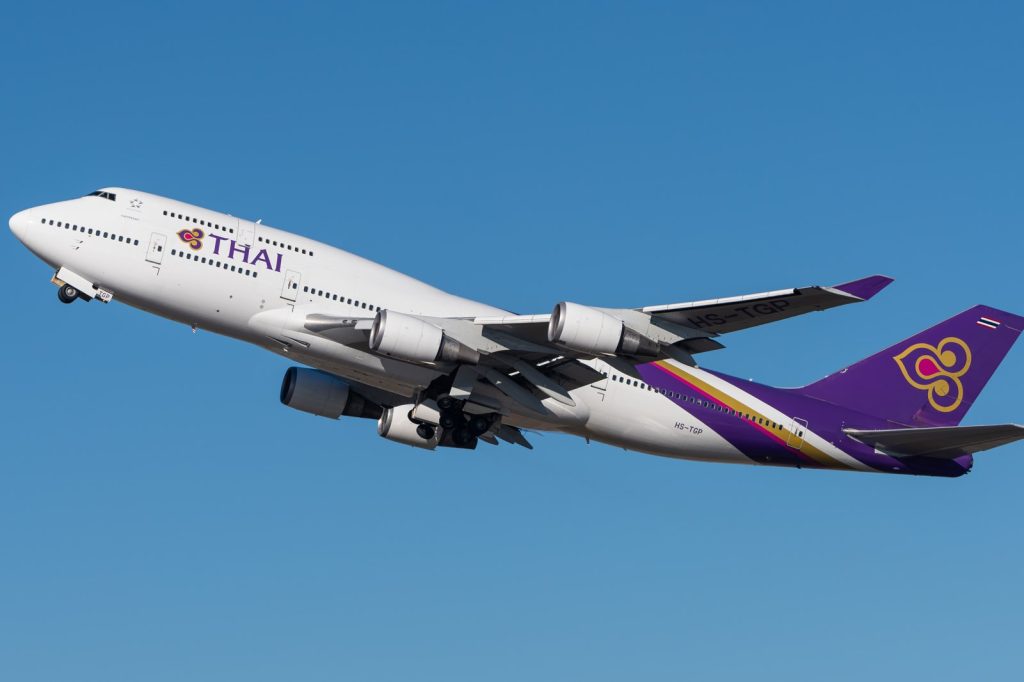
On 12 March, Thai Airways president Sumeth Damrongchaitham submitted his resignation, and within hours Suvarnabhumi International Airport’s chief executive, Sutheerawat Suwannawat, followed suit. The twin departures left Thailand’s flag carrier and its main international gateway without top leadership at a time when the global aviation sector is experiencing its sharpest downturn.
Sumeth’s resignation came after three weeks of appeals to the Ministry of Transport for emergency financing, temporary waivers on landing fees and a postponement of aircraft‑lease payments. Each request was met with silence. A senior Thai Airlines pilot later explained that Sumeth told the board he could no longer continue “begging for help that never arrives.”
Financial pressures had already been mounting. The airline posted a net loss of 12 billion baht for 2019 and entered 2020 with liquidity sufficient for roughly 90 days of operation. The COVID‑19 pandemic then stripped away the remaining cash flow: Beijing barred foreign carriers, Japan imposed quarantine on Thai arrivals, and the European Union prepared restrictions that would have eliminated the airline’s most profitable long‑haul routes.
In response, Sumeth parked 38 of Thai Airways’ 103 aircraft in desert storage and negotiated wage deferrals with labour unions. Yet government‑issued travel bans and border closures unfolded faster than the airline could rebook passengers, leaving the carrier with a cash burn of about two billion baht per week.
The company’s post‑market‑close filing cited “insurmountable obstacles” in obtaining emergency support, a phrase that underscores a breakdown not only in finances but also in communication with the overseeing ministry. With no chief executive in place, the airline now faces an uncertain path forward while its 90‑day cash buffer continues to shrink.
Sumeth, a marketing veteran appointed in 2018, was not a specialist in airline turnarounds. He inherited a carrier that had been losing market share to low‑cost rivals for years, and the pandemic merely accelerated existing challenges into a full‑blown crisis.
The situation at Suvarnabhumi is equally precarious. The airport’s revenue stream depends heavily on passenger traffic, which has collapsed as airlines park aircraft and suspend flights. Sutheerawat’s resignation leaves the airport without a director to negotiate its survival or manage its substantial fixed costs.
Both resignations were not protests but acknowledgments that the financial equations could no longer be balanced. The two executives chose to step aside rather than oversee an inevitable collapse alone.
Thailand’s aviation sector now confronts a leadership vacuum at a moment when the global slump shows no sign of abating. The Ministry of Transport has yet to announce replacements for either position, and it has not clarified why Sumeth’s repeated pleas for assistance were ignored.
With cash draining at roughly two billion baht weekly, Thai Airlines risks exhausting its reserves within weeks unless swift governmental action materialises. Meanwhile, Suvarnabhumi faces the prospect of operating without a chief executive while its revenue base continues to evaporate.




