
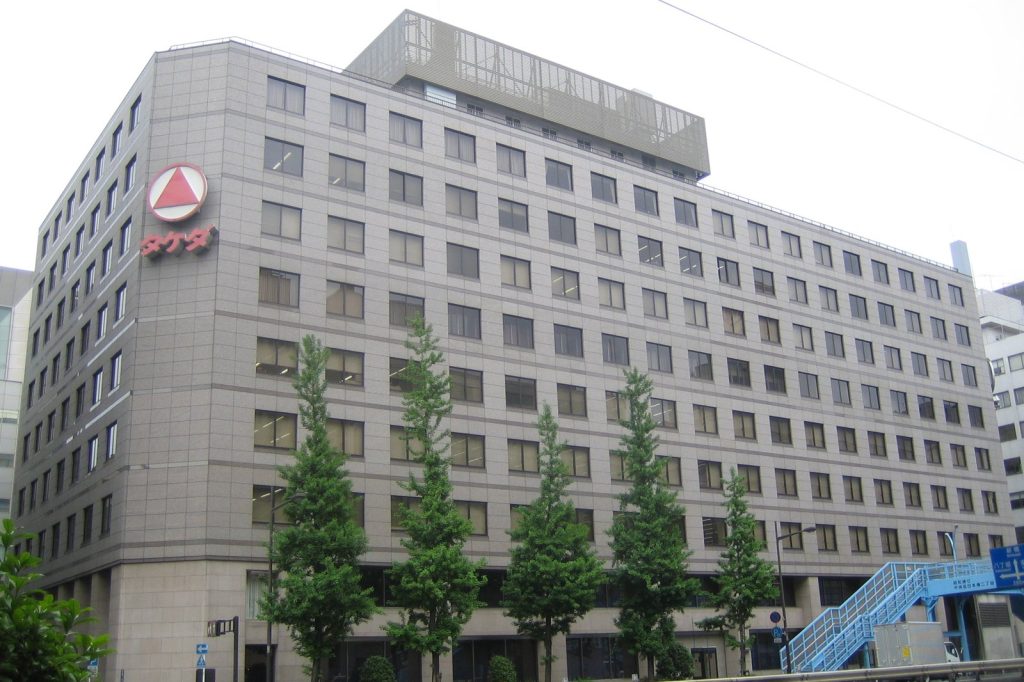
On 5 March 2020, Japan’s largest pharmaceutical firm, Takeda Pharmaceutical Company, said it had begun developing a plasma-derived therapy that could treat people infected with the novel coronavirus. The Osaka-based company plans to harvest protective antibodies from the blood of recovered patients, purify them at scale, and deliver the resulting product, provisionally named TAK-888, to severely ill patients. Executives told reporters the first clinical lots could be ready within nine months if regulators in Asia, Europe, and the United States fast-track review.
The approach is not new. Doctors have used convalescent plasma since the 1918 influenza pandemic to blunt the course of measles, mumps, SARS, and MERS.
Takeda’s twist is to pool donations from hundreds of recovered donors, concentrate the virus-neutralising immunoglobulins, and remove other blood components that can trigger allergic reactions. The finished drug would be given as a short intravenous infusion, giving patients an immediate army of ready-made antibodies while their own immune systems catch up. Unlike a vaccine, the product is meant for treatment, not prevention.
“We are targeting hospitalised patients who are progressing toward severe respiratory failure,” Rajeev Venkayya, president of Takeda’s Vaccine Business Unit, said in a telephone briefing. “The goal is to reduce the need for mechanical ventilation and shorten intensive-care stays.”
Timetable and manufacturing hurdles
Takeda executives warned that nine months is an optimistic calendar. First, the company must locate enough donors who have tested negative for the virus at least twice and who carry high antibody titres. Then the plasma must be screened for hepatitis B, hepatitis C, HIV, and other blood-borne pathogens before it enters a multi-step purification train that ends with viral inactivation and nanofiltration steps designed to remove even the smallest adventitious agents.
The firm’s plant in Kobe, Japan, can fractionate more than one million litres of plasma a year, but that capacity is already tied up making established immunoglobulin products for patients with immune disorders. Takeda said it is scouting partner facilities in the United States and Europe for additional clean-room suites and hopes to secure government or philanthropic funds to reserve production lines.
Even so, the initial batch is expected to yield only several thousand treatment courses, a drop in the bucket if global case counts keep climbing.
Regulatory path and global coordination
Takeda said it filed an investigational new drug briefing packet with the U.S. Food and Drug Administration on 3 March and has held similar pre-submission talks with Japan’s Pharmaceuticals and Medical Devices Agency and the European Medicines Agency. Regulators on all three continents have promised rolling reviews, allowing the company to submit data as they are generated rather than waiting for a complete dossier. The company is also sharing technical know-how with a newly formed alliance of plasma producers that includes CSL Behring, Biotest, BPL, LFB, and Octapharma.
Together the group hopes to standardise donor-selection criteria, antibody-testing protocols, and clinical end-points so that results can be pooled in a single large efficacy trial. “No one company can do this alone,” Venkayya said.
“We need a global, coordinated response to produce enough material for the world.”
Repurposing existing drugs on the side
While the plasma programme gathers speed, Takeda scientists are combing through the company’s marketed portfolio for anything that might dampen inflammation or block viral entry. One candidate is nafamostat, a synthetic serine protease inhibitor approved in Japan for acute pancreatitis and disseminated intravascular coagulation. Laboratory work published in late February by German and Japanese researchers suggests the drug can prevent SARS-CoV-2 from fusing with lung cells at concentrations already achieved safely in humans.
A small compassionate-use study is under way at Osaka University Hospital. Another asset being watched is Takeda’s Bruton’s tyrosine kinase inhibitor, ibrutinib, sold under licence for certain blood cancers.
Early reports from physicians in Wuhan indicated that some leukaemia patients on the drug fared better than expected when they contracted COVID-19. The company has offered drug and placebo supplies for a randomised trial led by the National Cancer Institute, but enrolment has yet to begin.
Broader plasma push mirrors past outbreaks
Takeda’s announcement follows a wave of academic hospitals in China that began giving convalescent plasma to critical patients in early February. Preliminary data from 10 severely ill cases at Shenzhen Third People’s Hospital showed that fever, viral load, and oxygen requirements fell within days of transfusion, though the absence of a control arm makes interpretation difficult. The World Health Organization has since issued interim guidance endorsing the strategy “as an empirical treatment during outbreaks when no proven therapies exist,” provided donors are screened and recipients give informed consent.
European researchers are pursuing a parallel track. A consortium led by the Karolinska Institute in Sweden plans to launch a multicentre trial next month using plasma collected from recovered patients in Stockholm and Milan.
The European Commission has freed up €30 million in emergency grants to cover cross-border shipping, laboratory assays, and data management. Whether any of these efforts will arrive in time to blunt the first wave of the pandemic remains uncertain. Global infections topped 95,000 on 5 March, with 3,285 deaths reported across more than 80 countries.
Stock markets have whipsawed drug companies large and small, rewarding any hint of therapeutic progress. Takeda executives urged investors to treat the timeline as aspirational.
“We are moving at the speed of science, not the speed of headlines,” Venkayya said. If regulators clear the therapy, Takeda has pledged to sell it at cost during the crisis and to share manufacturing templates with any government or nonprofit that can meet quality standards. The gesture mirrors the company’s 2014 decision to supply millions of doses of dengue vaccine at a steep discount to low-income countries.
For now, the world waits to see whether antibodies harvested from survivors can be scaled quickly enough to help the next wave of patients gasping for breath in intensive-care units. The plasma effort does not replace the need for rigorous infection control, rapid diagnostics, and, ultimately, a preventive vaccine. Yet every extra option matters when case numbers double every five days.
Should the antibodies prove safe and effective, Takeda’s quiet March announcement may be remembered as the moment an old technology met a new virus, and bought clinicians a precious window to save lives.
{“@context”:”https://schema.org”,”@type”:”NewsArticle”,”headline”:”Takeda TAK-888 Plasma Therapy for COVID-19 Treatment”,”datePublished”:”2020-03-06T01:23:17+00:00″,”dateModified”:”2026-05-15T05:28:33+00:00″,”author”:{“@type”:”Organization”,”name”:”InfoPulse Today”},”publisher”:{“@type”:”Organization”,”name”:”InfoPulse Today”,”logo”:{“@type”:”ImageObject”,”url”:”https://newsfeed.infopulsetoday.com/wp-content/uploads/logo.png”}},”mainEntityOfPage”:{“@type”:”WebPage”,”@id”:”https://newsfeed.infopulsetoday.com/?p=380″},”articleSection”:”Health News”,”keywords”:”takeda covid treatment, tak-888, plasma therapy, convalescent antibodies, coronavirus drug, takeda pharmaceutical, covid-19 therapy, antibody infusion, japanese drugmaker”,”description”:”On 5 March 2020, Japan’s largest pharmaceutical firm, Takeda Pharmaceutical Company, said it had begun developing a plasma-derived therapy that could treatu2026″}




