
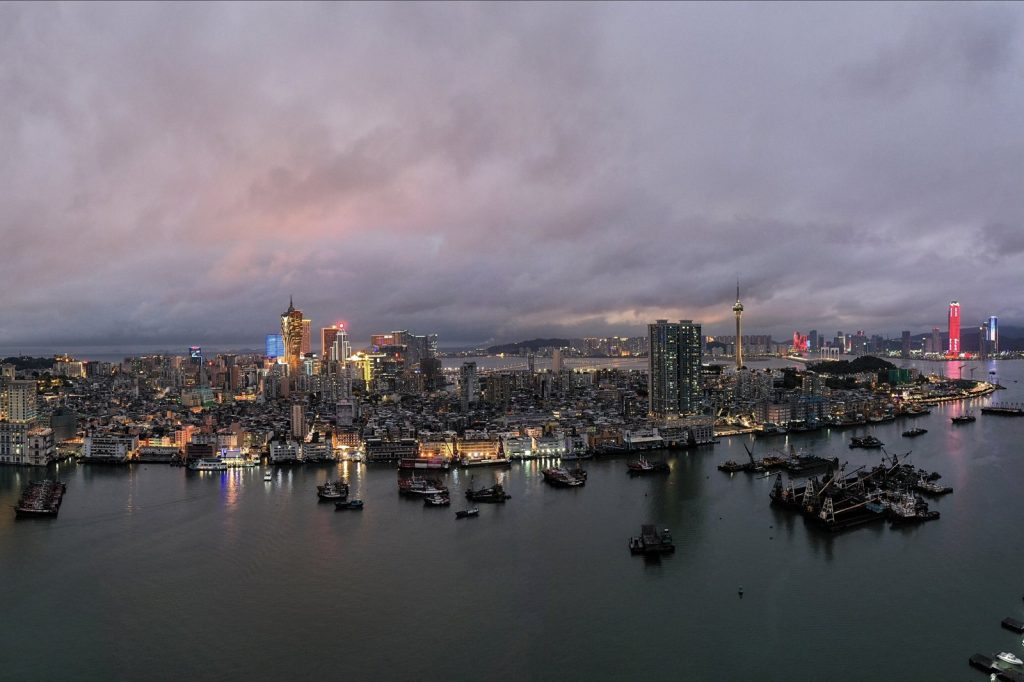
The coronavirus pandemic delivered an unprecedented economic blow to Macau, the world’s largest gambling hub, as February 2020 became the region’s worst month on record for casino revenue. Gross gambling revenue dropped to 3.1 billion patacas—approximately 387 million dollars—from 25.4 billion patacas in February 2019, representing an 88 percent decline. The dramatic downturn resulted from a mandatory 15-day business closure imposed by local authorities to combat the spread of the virus.
Unprecedented Government Action
Macau officials implemented the shutdown on February 5, 2020, ordering all businesses to close their doors. The directive remained in effect until February 20, when a gradual reopening was permitted. This 15-day suspension marked the longest operational halt in the city’s history.
For comparison, the previous major disruption occurred in 2018, when a typhoon forced a 33-hour closure. At the time of the lockdown, Macau had reported only 10 confirmed coronavirus cases and had not recorded a new infection for a month prior to the shutdown.
Authorities stated that the measures were necessary to prevent the outbreak from escalating.
Financial Toll on American Operators
Major U.S.-based casino operators with significant Macau operations reported substantial losses during the closure period. Wynn Resorts faced daily losses of up to 1.5 million dollars, while MGM Resorts International experienced even greater losses of approximately 2.6 million dollars per day.
The shutdown effectively halted the flow of tourists from mainland China and other countries, which constitute the primary source of Macau’s visitors. Without these travelers, the region’s extensive casino and hospitality infrastructure sat idle, generating no revenue while continuing to incur operational costs.
Cautious Optimism for Recovery
Despite the immediate devastation, financial analysts expressed cautious optimism about the long-term prospects for Macau’s gaming sector. JPMorgan Chase & Co. analysts stated that the pandemic would not permanently alter gamblers’ enthusiasm for the industry.
“We do not think COVID-19 will curb gamblers’ enthusiasm in a sustainable way, so its impact on the industry’s sustainable earnings power should be limited,” they said. This perspective assumes that once travel restrictions are lifted and public health conditions stabilize, visitor numbers will return to previous levels, leaving the core business model intact.
Global Context and Uncertainty
The situation in Macau was part of a larger global crisis. By early March 2020, the respiratory disease had claimed more than 3,000 lives worldwide, with 90,931 confirmed infections across the globe.
The virus’s rapid spread meant that even as Macau prepared to reopen, other nations were implementing similar lockdowns and facing economic disruptions. For American companies with international portfolios, the revenue collapse represented a significant blow. The entire global hospitality and travel industry braced for a prolonged period of adjustment as governments balanced public health protection with economic stability.




