
Beijing, October 1
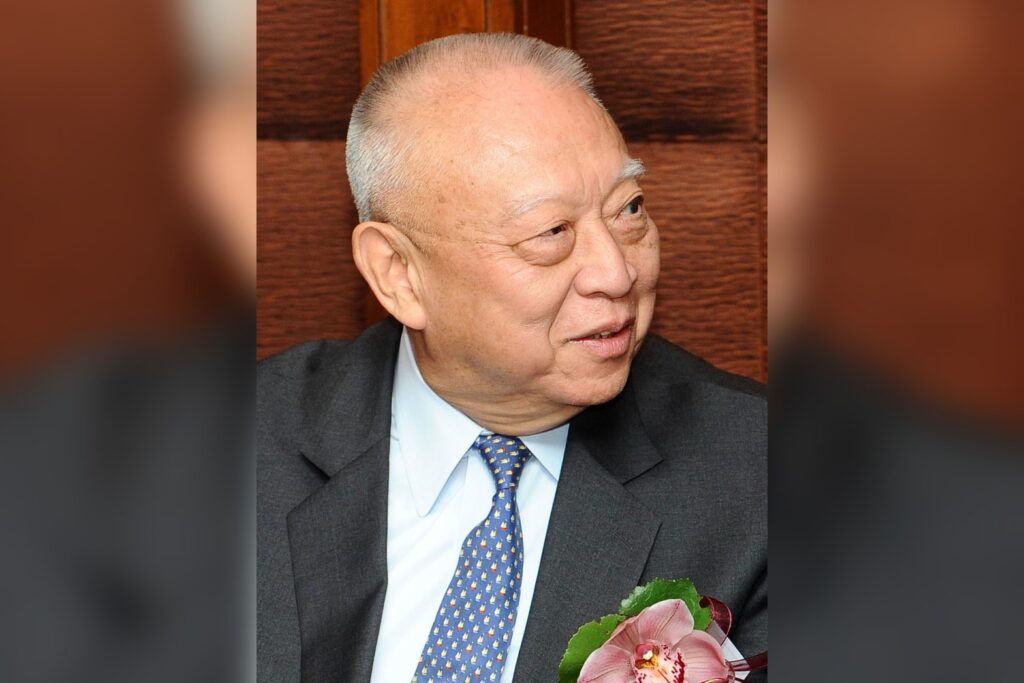
Tung Chee-hwa, Hong Kong’s first post-colonial leader, passed away on Tuesday at the age of 89, marking the end of a chapter in Hong Kong’s political history. Tung served as the first Chief Executive of the Hong Kong Special Administrative Region from 1997 to 2005, a period that saw the territory transition from British rule to Chinese sovereignty under the ‘one country, two systems’ framework.
His tenure was marked by significant challenges, including the 1997 Asian financial crisis, which severely impacted Hong Kong’s economy, and the rise of pro-democracy protests in the early 2000s. Tung was known for his efforts to balance the demands of the Hong Kong populace with the directives of the central government in Beijing.
He was also a key figure in the handover ceremony of Hong Kong from the United Kingdom to China in 1997, which he attended as a representative of the Hong Kong administration. In 2019, he was seen in public again during a ceremony in Beijing’s Great Hall of the People, where he received an award from Chinese President Xi Jinping. Tung’s death has sparked reflections on his legacy as a leader who navigated Hong Kong through a complex period of political and economic transformation.
His leadership was often scrutinized by both local and international observers, who noted the tensions between maintaining autonomy and adhering to Chinese policies. Tung was born in 1937 in Shanghai and later moved to Hong Kong, where he became a prominent businessman before entering politics.
He was a member of the Hong Kong Federation of Trade Unions and was known for his pro-Beijing stance. His tenure as Chief Executive was marked by an effort to stabilize the region during a time of uncertainty, though his policies were sometimes criticized for not addressing the growing demands for democratic reforms. Tung’s death comes amid continued discussions about Hong Kong’s political future and the evolving relationship between Hong Kong and China.




