
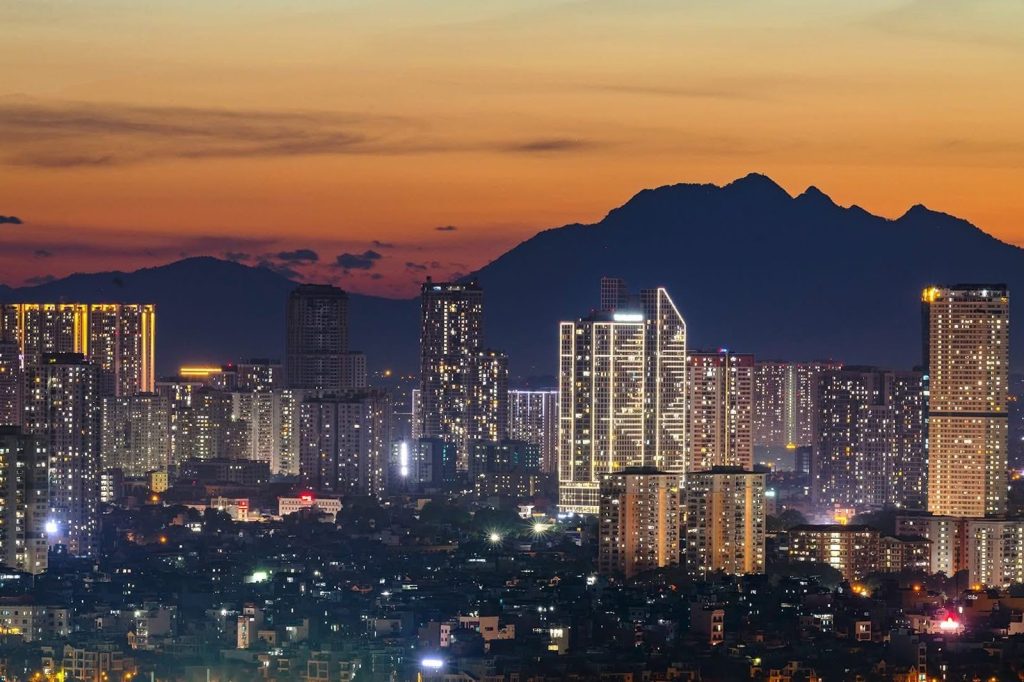
The devastating fire that swept through a Hanoi apartment block on September 13 has left at least 56 people dead and 37 others injured, forcing residents across the Vietnamese capital to confront a stark reality about the safety of their own homes. The tragedy was not an isolated incident but rather a symptom of a city expanding far faster than its protective infrastructure can keep pace.
Hanoi, home to over 8 million people within 3,358.6 square kilometers, has seen a surge in narrow, multi-story apartment buildings constructed to accommodate its growing population. The structure that burned was one such building, typical of thousands across the city. For tenants in similar units, the risks are profound: they have no authority over electrical systems, emergency exits, or fire-resistant materials.
They depend entirely on landlords, builders, and inspectors—a chain of responsibility that failed catastrophically in this case. The city’s economic scale is immense, with a gross regional domestic product of US$48 billion in 2023, driven by a dense workforce, a thriving tourism sector, 78 foreign embassies, and the headquarters of the Vietnam People’s Army.
Yet this tragedy threatens more than just reputational damage. When a single fire can claim 56 lives, the question of how many other buildings pose similar dangers becomes urgent. Tourists see the headlines. International businesses weigh the risks.
Insurance premiums adjust. Property values in aging complexes decline.
These are not abstract possibilities but predictable market responses. Investigators will now examine the building’s design, construction, and maintenance, as well as the emergency response protocols that were in place. But for the families of the deceased, the answer is already clear: the safeguards were insufficient.
The immediate social toll is measured in grief, funerals, and vacant apartments. The economic consequences will unfold over time.
This is not the first deadly fire in a densely populated city, but the scale—56 dead—demands a reckoning. Hanoi’s rapid urbanization has stretched fire safety measures to their limits, and that strain is now visible in the most tragic way possible. The 37 injured face months or years of recovery.
The families of the 56 dead face an irreversible loss. For everyone else in Hanoi, the fire serves as a warning: every high-rise apartment, every narrow alley, every building with a single staircase is a potential trap.
The city’s leaders must now choose whether to act before the next fire or after it. The stakes are not limited to one building or one night. They involve the safety of millions living in a city that has grown too fast for its own protections.
The dead are gone. The living are still waiting to see if any lessons will be learned.




