
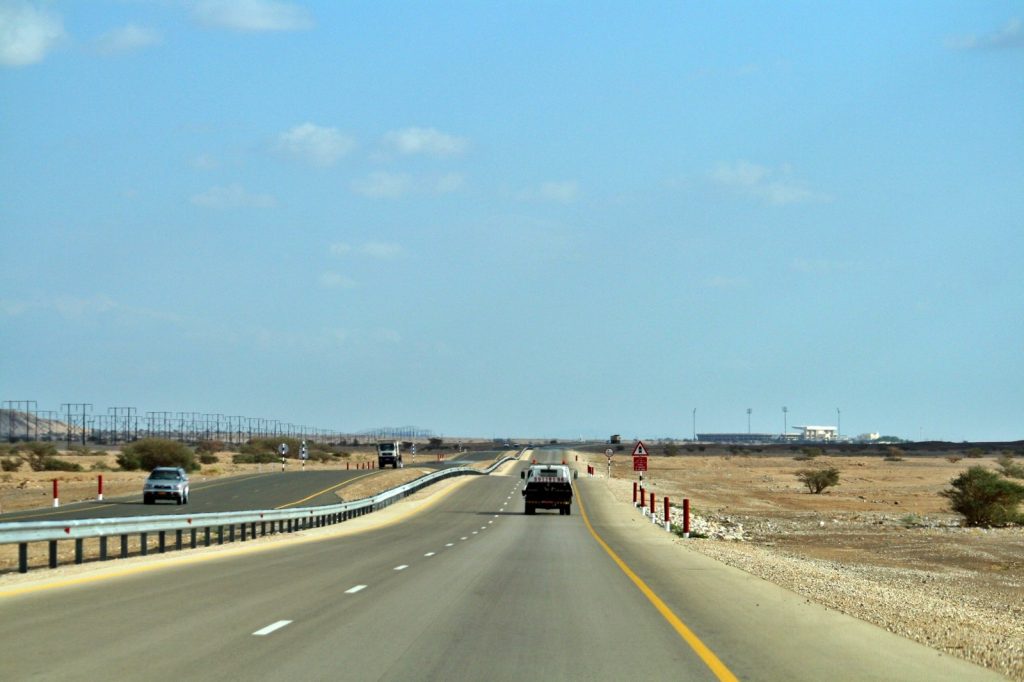
On 8 February 2026, a multi‑vehicle accident in the Al Batinah North Governorate of Oman claimed three lives and left three people injured. The crash, which involved several cars, underscores the ongoing challenges of road safety in a region experiencing rapid growth and increasing traffic volumes. Al Batinah North, one of Oman’s eleven governorates, was formed on 28 October 2011 after the former Al Batinah Region was divided into two separate jurisdictions.
Its administrative centre is Sohar, a major commercial and industrial hub whose expanding economy has attracted more vehicles to its streets. The rise in traffic has drawn attention to the need for upgraded road infrastructure and stricter safety measures.
Authorities have not yet released a definitive cause for the collision, but officials note that factors such as driver error, road conditions, and vehicle maintenance often contribute to similar incidents. Investigations are underway to determine the precise circumstances and to recommend steps that could prevent comparable tragedies. In the aftermath of the accident, local officials and safety advocates are calling for a range of actions: improved road design, enhanced driver training programmes, and intensified public awareness campaigns about responsible driving.
Implementing traffic‑management technologies and increasing patrols are also being discussed as possible ways to reduce the likelihood of future crashes. Beyond immediate road‑safety concerns, the incident arrives at a time when Oman is intensifying its focus on sustainable development.
The nation has been investing heavily in renewable‑energy projects, particularly solar and wind power, aiming to boost the share of clean energy in its overall mix. These initiatives are intended to cut reliance on fossil fuels, lower energy costs, and diminish air‑pollution levels. Supporters argue that a transition to renewable sources can bring multiple benefits: stronger energy security, job creation, and a healthier environment for Omani citizens.
By coupling infrastructure upgrades with green‑energy investments, the country hopes to foster a safer and more sustainable future. Experts stress that road safety and environmental stewardship are interlinked goals.
Safer, well‑maintained highways reduce accident rates, while cleaner energy production helps protect public health and the ecosystem. As Oman continues to develop, balancing these priorities will be essential for long‑term prosperity. The tragic loss of three lives in Al Batinah North serves as a stark reminder of the human cost of traffic mishaps. It also reinforces the urgency for coordinated action among government bodies, local authorities, and the community to enhance road conditions, enforce traffic laws, and promote a culture of safe driving.
Looking ahead, Omani policymakers are expected to prioritize both infrastructure improvement and renewable‑energy expansion. By doing so, they aim to reduce accident frequencies, lower environmental impacts, and support economic growth driven by sustainable practices.




