
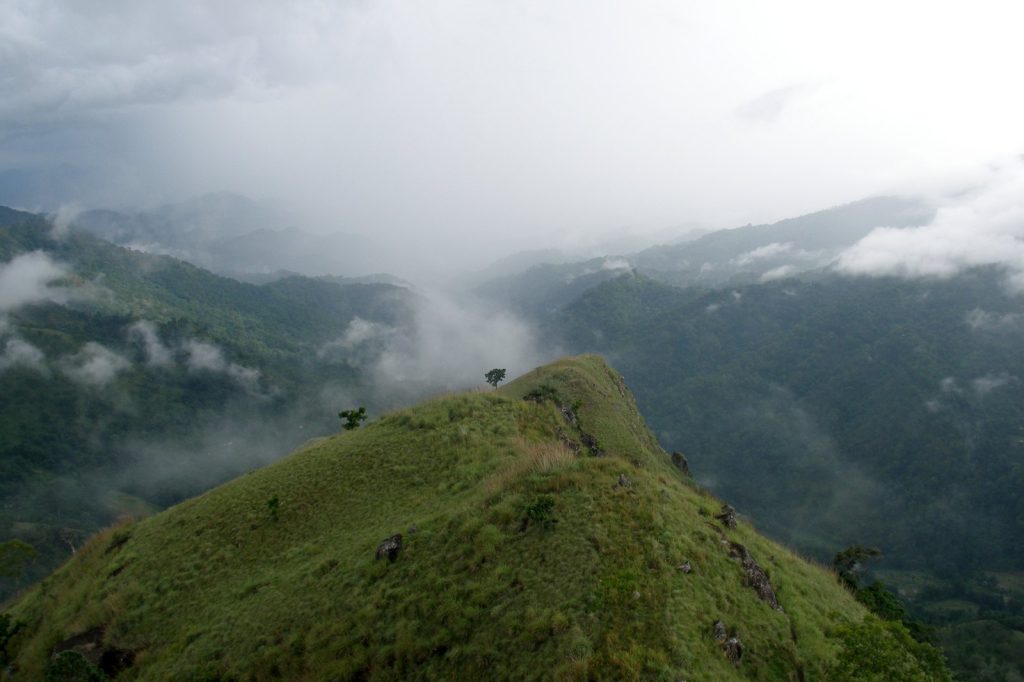
A bus carrying tourists plunged down a hillside in Sri Lanka’s Uva Province on September 5, killing at least 15 people and injuring 15 others. The accident has sent shockwaves through the region’s tourism-dependent economy, raising urgent questions about the future of travel to the area. Uva Province, spanning 8,500 square kilometers, is a sparsely populated region known for its hills, waterfalls, and national parks. Unlike the crowded capital Colombo or the coastal beach resorts, this province attracts visitors seeking wilder landscapes.
Key attractions include Yala National Park and Gal Oya National Park, along with extensive tea estates connected by winding mountain roads. The province’s rugged terrain and narrow, twisting roads have long posed hazards for vehicles, particularly those carrying large numbers of passengers.
The crash has underscored those dangers with tragic finality. Badulla, the provincial capital, has become the center of relief operations. Local authorities and emergency services are coordinating rescue efforts and providing medical care to the injured.
However, the immediate humanitarian response is only part of the story. The accident strikes at the heart of Uva Province’s economy.
With a population of 1,266,463, it ranks among Sri Lanka’s least populated provinces. This thin population base means fewer people are available to absorb the economic shock. In a dense city, a bus crash that kills 15 people is a tragedy.
In a sparsely populated tourist region, it is a wound that may take years to heal. Local businesses—bus drivers, guesthouse operators near the parks, and wildlife safari guides—are all feeling the impact.
The accident sends a clear signal to travel agencies and potential visitors: Uva Province is beautiful, but it is also dangerous. That calculation has now shifted. Authorities are still gathering details about the cause of the crash.
No official determination has been made regarding whether the driver was speeding, whether the road was wet, or whether the brakes failed. Those facts will emerge in due course.
The province’s natural environment, including its biodiversity and ecosystems, is the primary draw for tourists. The accident serves as a stark reminder of the need for safety and responsible tourism practices, particularly in areas with fragile ecosystems. That reminder has come at the cost of 15 lives.
The local community remains in shock. Rescue workers continue to pull people from the wreckage, and hospitals in Badulla are treating the injured.
Meanwhile, the parks, waterfalls, and winding roads remain unchanged. They will still attract tourists. But every tour operator in the province now faces a question they did not have to answer before the bus went down that hill. The answer will determine whether Uva Province recovers from this disaster or whether the crash leaves a permanent scar on its tourism industry.




