
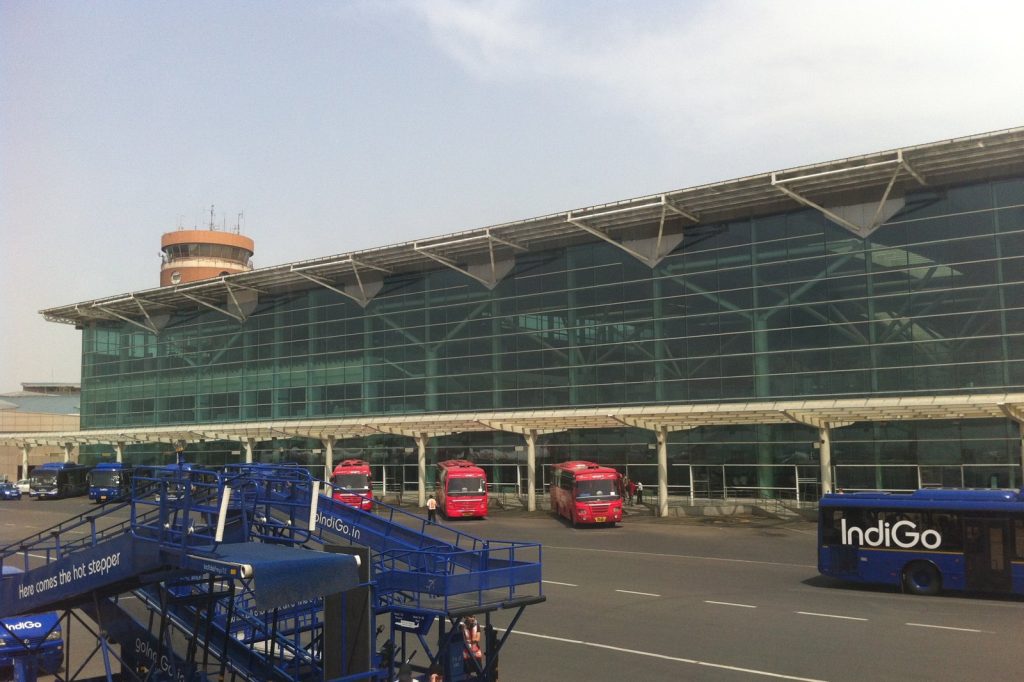
On June 28, a section of roof at Indira Gandhi International Airport gave way under heavy rain, killing one person and injuring eight others. The incident forced the cancellation of several domestic flights and disrupted travel plans for thousands of passengers.
While the immediate human toll is clear, the collapse is being viewed by experts as a symptom of a broader, recurring challenge: the city’s monsoon season. New Delhi’s rains, which typically arrive between June and September, bring intense downpours that regularly strain the capital’s infrastructure. Flooding and power outages have become almost routine for a metropolis of more than 30 million residents.
IGI Airport, situated about 15 kilometres southwest of the city centre and 16 kilometres from the main railway hub, occupies a 5,106‑acre site that has been India’s busiest passenger airport since 2009. Every day, it manages a massive flow of flights and travelers. Yet the severe rainfall on the day of the incident proved more than the facility could handle, leading to the structural failure.
Airport authorities have announced that a formal investigation will be launched to determine the exact cause of the roof collapse. Standard procedure calls for a technical review, but critics argue that past inquiries have often resulted in reports that are not acted upon. The key question now is whether findings will translate into concrete improvements or remain archived.
Design specifications for the terminal complex were intended to accommodate large crowds, but whether they also accounted for the intensity of monsoon precipitation is under scrutiny. Some analysts suggest that the original design may have underestimated the frequency and volume of rain, while others point to possible lapses in routine maintenance that could have weakened the roof’s resilience.
Delhi’s monsoon has a long history of testing the city’s drainage and structural systems. The airport’s location makes it especially vulnerable to storms moving in from the south, and the June 28 event was not a minor leak or a blocked gutter—it was a full‑scale collapse, indicating a failure of the building’s ability to bear prolonged, heavy rain.
In addition to the tragic loss of life, the incident caused immediate operational impacts. Several domestic flights were grounded, and passengers faced sudden itinerary changes. The airport’s broader sustainability initiatives, such as its solar‑power installations, do little to address the structural demands imposed by extreme weather.
Looking ahead, the monsoon will return each year, bringing with it the same potential for disruption. The incident at IGI Airport serves as a stark reminder that the capital’s infrastructure must evolve to meet the predictable, yet increasingly severe, weather patterns associated with the monsoon.
Stakeholders—including airport management, city planners, and national authorities—are now tasked with deciding whether this roof collapse will be treated as an isolated mishap or as a warning sign that deeper, systemic upgrades are needed to safeguard critical transport hubs against future storms.




