Tsai Ing-Wen Secures Second Term in Taiwan Presidential Election
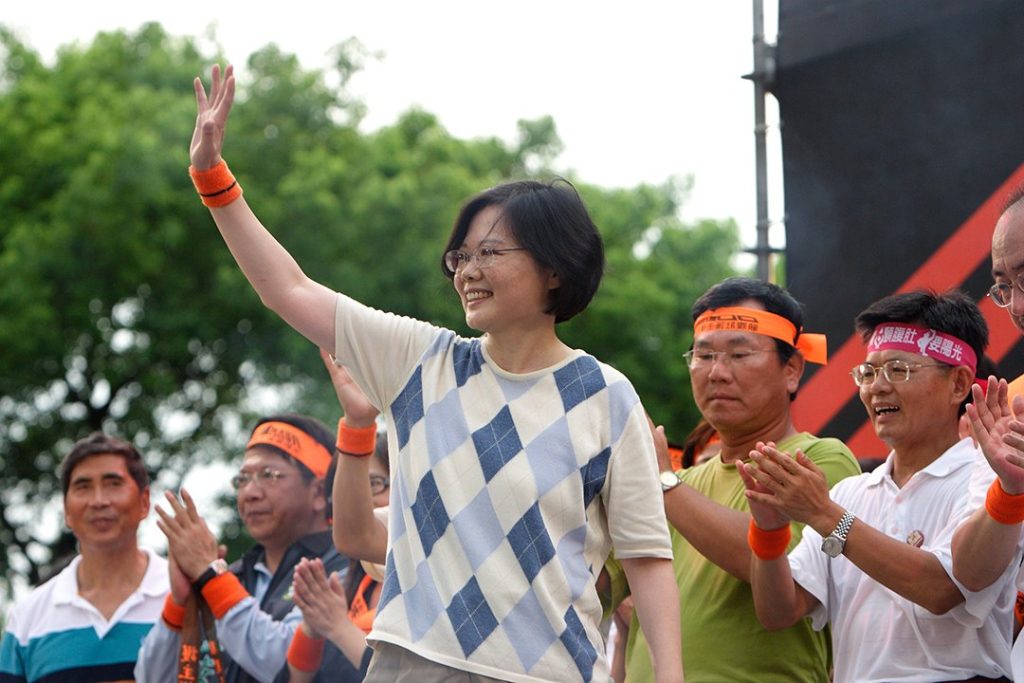
Taiwanese President Tsai Ing-Wen has officially secured her second term in office following a decisive victory in the presidential elections held on January 11, 2020. The election results demonstrate overwhelming public support for maintaining Taiwan’s democratic institutions and resisting external pressure from Beijing. Tsai, representing the Democratic Progressive Party (DPP), draw approximately 8.2 million votes, which accounted for 57 percent of the total ballot. This performance marked a significant increase compared to her initial inauguration in 2016, where she received roughly 1.3 million fewer votes. Her opponents included Han Kuo-yu and James Soong, both of whom failed to match her momentum. The victory occurred against a backdrop of heightened diplomatic and military pressure from the People’s Republic of China, which continues to assert sovereignty over the island despite its self-governing status.
A Rebuff Against Beijing Aggression
The landslide nature of Tsai’s win is a direct rebuff to the Chinese government’s long-standing claims that Taiwan must be forcibly reunited with mainland China. President Tsai has consistently maintained that the future of the island should be determined by its 23 million residents rather than through coercion or military intervention. In her victory speech, she reiterated this stance, emphasizing that Taiwan is demonstrating to the international community how much it values its free democratic way of life and national identity. The election results reflect a clear desire among voters to reject any form of authoritarian influence from Beijing. This sentiment is particularly strong given recent events in Hong Kong, where pro-democracy protests were met with severe crackdowns by Chinese authorities. Voters appear to be drawing parallels between the situation in Hong Kong and the potential threat posed to Taiwan’s autonomy if Beijing were to intervene militarily or economically.
Voter Sentiment and Democratic Values
The election outcome show a deep commitment among Taiwanese citizens to preserving their democratic freedoms. Bonnie Glaser, a Taiwan expert at the Center for Strategic and International Studies in Washington DC, noted that the results primarily represent a triumph for supporters of democracy and freedom. According to Glaser, the electorate voted for Tsai not necessarily because of her specific party affiliation, but because of her unwavering stance on protecting democratic values. He observed that while the Kuomintang (KMT) party and the DPP were almost evenly divided in terms of ideological positioning, the people ultimately chose a candidate who promised to defend Taiwan’s sovereignty against external threats. This suggests that future leadership in Taiwan will need to prioritize policies that resonate with these core concerns. The KMT has reason to believe that if they can improve their policy agenda and present better candidates, they may once again play a significant role in leading the island. However, for now, the momentum remains firmly with Tsai and her administration.
Challenges Ahead for Taiwan’s Economy and Governance
Tsai’s reelection signals both an opportunity and a challenge for Taiwan’s government and economy. The island faces ongoing diplomatic isolation and military posturing from China, which continues to insist on control over East Asia’s strategic location. Despite these pressures, Tsai’s administration aims to strengthen Taiwan’s ties with like-minded democracies around the world while building economic resilience at home. The government must navigate complex geopolitical dynamics without compromising its commitment to self-determination. Economic reforms will be crucial in addressing internal issues such as income inequality and housing affordability. Furthermore, maintaining public trust in democratic institutions will require transparency and accountability from all levels of government. The international community watches closely as Taiwan seeks to balance its need for security with its desire for prosperity.
Conclusion
The re-election of Tsai Ing-Wen marks a important moment for Taiwan’s future trajectory. Her victory reflects the enduring popularity of her pro-democracy platform and the widespread rejection of Chinese expansionism. As Taiwan moves forward under her leadership, the focus will remain on safeguarding democratic freedoms while addressing pressing economic challenges. The global community supports Taiwan’s right to self-determination and hopes that continued cooperation among democracies can help mitigate risks posed by authoritarian regimes.