Singapore has told ten companies registered in the city-state to explain how they are tied to Indonesian plantations, as haze again hangs over Southeast Asia. The National Environment Agency issued the orders under Section 10 of the Transboundary Haze Pollution Act, Channel NewsAsia reported. The ten firms are in palm oil and forestry. Each must disclose its links to plantations in Indonesia and the steps it has taken to prevent and fight fires. The agency is investigating companies that may have contributed to haze in Singapore.
A recurring problem
Transboundary haze has been recorded in the region since 1972, with 1997 and 2015 among the worst years. It tends to peak between July and October and in El Niño years. The main cause is slash-and-burn clearing for palm oil and pulpwood, and fire spreads easily on peat, which thickens the smoke and loads it with sulphur. Most episodes trace back to peatland fires in Sumatra and the Kalimantan region of Borneo.
Indonesia, Malaysia, Singapore and Brunei feel the haze most often. In severe years it reaches the Philippines, Thailand, Vietnam and Cambodia as well. Al Jazeera’s account of the current crisis says Malaysia has closed schools, Singapore has seen dangerous air pollution and parts of the Philippines have been affected.
Why fire stays attractive
The arithmetic is blunt. Clearing land with machines and chemicals can cost up to US$200 a hectare, against about US$5 with fire. Raking debris into piles to rot is slow and can harbour pests. Cleared peat is nutrient-poor and acidic, and burning leaves ash that helps neutralise it.
A 2005 study found no single dominant cause. Fire is used as a clearing tool and as a weapon in land disputes, and it also starts by accident. Underneath sit weak firefighting capacity, conflicts over land tenure and economic incentives. Poor transparency among Indonesian agricultural companies, and little pressure to hold them to account, have been named as key barriers.
Al Jazeera framed it as a question of who pays. Burning saves the planter money and the gains stay private. The respiratory illness, lost working days, school closures and transport disruption fall on everyone else, and the cost of burning is not fully reflected in the decision to burn.
The cost in Indonesia
The World Bank put losses from the 2015 crisis at no less than $16.1bn, or 1.9 percent of Indonesia’s GDP, with 2.6 million hectares burned between June and October. That estimate left out some long-term health damage and lost ecosystem services, and Al Jazeera stressed it is not a price tag for this year’s fires.
For 2026, estimates of the burned area in Indonesia run from 637,000 to 900,000 hectares. Health ministry data counted 283,270 respiratory illness cases linked to the fires in seven provinces as of October 13. In West Kalimantan, fires have also threatened communities and livelihoods.
How far the law reaches
Smoke crosses borders, but responsibility and enforcement stay largely national. Tracing pollution to one fire, naming who set it and proving harm abroad is hard. Singapore’s orders test how far its own law can reach into plantations across the water.
Sources
- Southeast Asia haze: 10 Singapore firms ordered to give details of links to Indonesian plantations
- Southeast Asian haze
- Southeast Asia’s haze crisis will persist until polluters pay
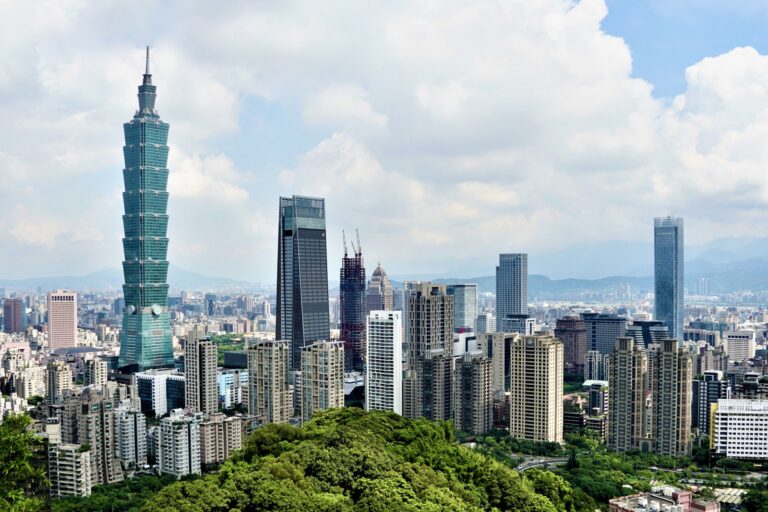
Photo: Justanothersgwikieditor (CC BY-SA 4.0)