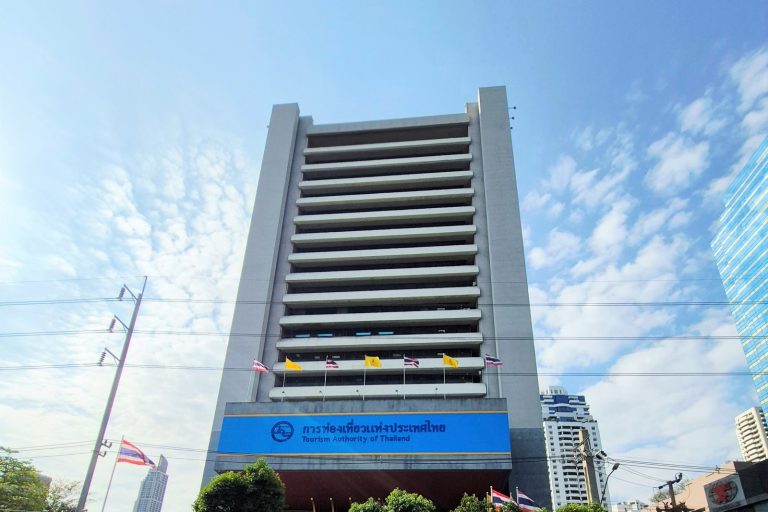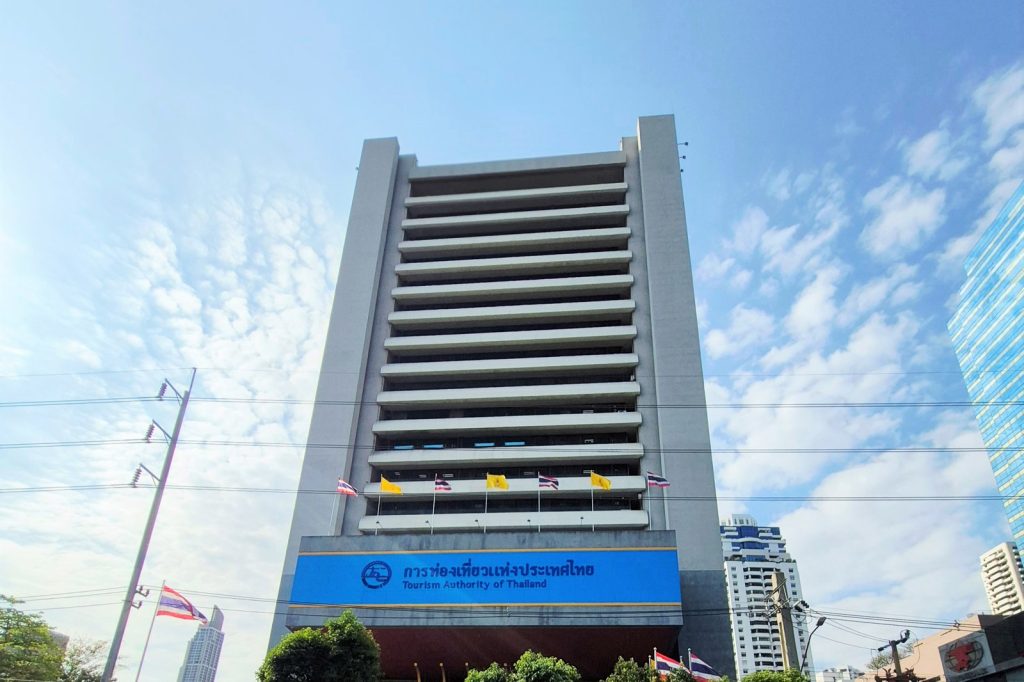
BANGKOK, October 24, 2026 — The Tourism Authority of Thailand is launching a targeted campaign to attract high-spending travelers from Singapore, marking a key part of a broader strategy across five Asian markets for fiscal 2027. This move aims to convert the momentum from recent international financial summits into sustained economic growth for local communities and businesses.
A Focus on Quality and Spending Power
For families and travelers across the region, the new strategy signals a shift from mass tourism to curated, high-value experiences. In Singapore, the tourism authority will specifically target visitors with strong spending power and an interest in quality travel experiences, according to a statement from the Commerce Ministry. This approach recognizes that the Singaporean market is not just about volume, but about the depth of engagement and the value each visitor brings to Thai local economies.
The initiative is part of a coordinated effort to unite commerce, culture, and tourism under a single fiscal framework. Deputy Prime Minister and Commerce Minister Suphajee Suthumpun set this policy to bring together the commerce, culture, and tourism and sports ministries. The goal is to turn Thailand’s hosting of the 2026 Annual Meetings of the International Monetary Fund and World Bank into lasting economic benefits by connecting tourism, Thai products, and cultural influence. By linking these sectors, the plan seeks to expand market opportunities and distribute income more evenly to businesses and local communities.
This strategy is particularly relevant for Singaporean travelers who often seek authentic cultural immersion alongside comfort and service. The authority is promoting wellness, food, and culture under the visitor economy model, which focuses on the economic activity generated by visitor spending. For ordinary people in Thailand, this means that the influx of high-value tourists is designed to support local artisans, chefs, and service providers, ensuring that the benefits of tourism reach beyond major hotel chains to closer-to-home livelihoods.
Building on the IMF and World Bank Legacy
Thailand hosted the International Monetary Fund and World Bank Annual Meetings from October 12 to 18 at the Queen Sirikit National Convention Center in Bangkok. The tourism authority is now building on this event to promote Thailand as a destination for major international gatherings under its World Event Hub Destination positioning. The presence of global financial leaders provided a platform to showcase Thailand’s capacity to host large-scale events while highlighting the country’s cultural and culinary offerings.
During the meetings, the authority presented seven tourism routes in Bangkok and 20 travel programmes through the Association of Thai Travel Agents. These initiatives were designed to encourage meeting participants to extend their stays and spend more in Thailand. Delegates were encouraged to travel beyond the meetings, exploring destinations including Pattaya, Hua Hin, and Nakhon Ratchasima. This effort aims to transform short-term business trips into longer leisure stays, benefiting local hospitality sectors in these secondary destinations.
The cultural programme during the meetings included traditional performances such as Nora dance drama, nang yai shadow puppetry, hun lakhon lek puppet theatre, and khon masked dance drama. A sculpture called Tao Tanu, created from discarded materials through the TAT X WISHULADA collaboration, also featured in the programme. These elements were intended to offer international visitors distinctive experiences that highlight Thai artistry and sustainability. By integrating these cultural elements into the business agenda, Thailand is positioning itself as a place where economic dialogue and cultural appreciation intersect.
Regional Campaigns and Market Specifics
The Singaporean focus is one of five key Asian markets targeted for 2027, alongside Vietnam, Malaysia, Indonesia, and Taiwan. Each market has a tailored approach based on its specific interests and demographics. In Vietnam, campaigns will focus on families and shopping, reflecting the growing middle class and family-oriented travel trends in that region. For Malaysia, the emphasis is on food, shopping, and travel to secondary cities, encouraging visitors to explore beyond the main urban centers.
Indonesia’s campaigns will promote wellness and Muslim-friendly tourism, catering to a large population that values religious compatibility in travel destinations. In Taiwan, the strategy centers on Thai food and culinary tourism, alongside the Go Thai Be Free campaign presenting Thailand as an open and welcoming destination for LGBTQ travellers. This inclusive approach is significant for communities across Asia who value safe and accepting travel environments. The authority is using arts, culture, Thai textiles, Thai cuisine, and local food to offer international visitors distinctive experiences that resonate with diverse audiences.
Fiscal 2027 targets include a 6.2% growth in revenue from ASEAN visitors and a 4.3% increase in ASEAN arrivals. These figures reflect a strategic shift toward maximizing the value of each visitor rather than just increasing headcount. For the tourism industry, this means a focus on higher-end services, unique cultural experiences, and personalized itineraries. The policy aims to increase the value of goods and services, ensuring that the growth in tourism translates into tangible economic benefits for Thai businesses and workers.
The Visitor Economy and Long-Term Growth
Thailand’s tourism sector has historically been a major contributor to the national economy. Estimates of tourism revenue directly contributing to the GDP of 12 trillion baht range from one trillion baht in 2013 to 2.53 trillion baht in 2016, the equivalent of 9% to 17.7% of GDP. When including indirect travel and tourism receipts, the 2014 total is estimated to be the equivalent of 19.3% of Thailand’s GDP. This historical context underscores the importance of maintaining a robust and resilient tourism industry in the face of global economic changes.
In 2023, Thailand’s tourism recovery accelerated, with international arrivals surpassing 28 million as the government expanded visa-free entry for key markets and airlines increased regional capacity. Projections indicate that Thailand is expected to receive 80 million visitors in 2027. According to the secretary-general of the Office of the National Economic and Social Development Council in 2019, the tourism sector is projected to account for 30% of GDP by 2030, up from 20% in 2019. These numbers highlight the sector’s growing role in the national economy and its potential to drive sustained growth.
The concept of “Healing Is The New Luxury” is central to the new marketing strategy. This idea redefines luxury not as something expensive or rare, but as the ability to truly rest, to listen to oneself, and to return to life with a lighter heart. For a new generation of travelers, especially from Europe and the United Kingdom, luxury is defined by experience, calm, depth, and emotional renewal. Thailand is positioning itself as a place where people can take care of their hearts, offering a balanced and natural approach to travel. This shift aligns with the broader trend of travelers seeking meaningful connections and personal well-being over superficial consumption.
By focusing on high-value travelers from Singapore and other key markets, Thailand is aiming to create a sustainable tourism model that benefits both the economy and local communities. The integration of commerce, culture, and tourism under the fiscal 2027 targets reflects a holistic approach to development. As the country continues to build on the legacy of the IMF and World Bank meetings, the focus remains on delivering quality experiences that resonate with visitors from across Asia and beyond. For people in the region, this means a Thailand that is not just a destination, but a partner in cultural and economic exchange.
Sources
- Singapore among 5 key Asian tourism markets Thailand plans to target in 2027
- Tourism in Thailand
- Thailand as a Destination for All
Photo: Medelam (CC BY-SA 4.0)