
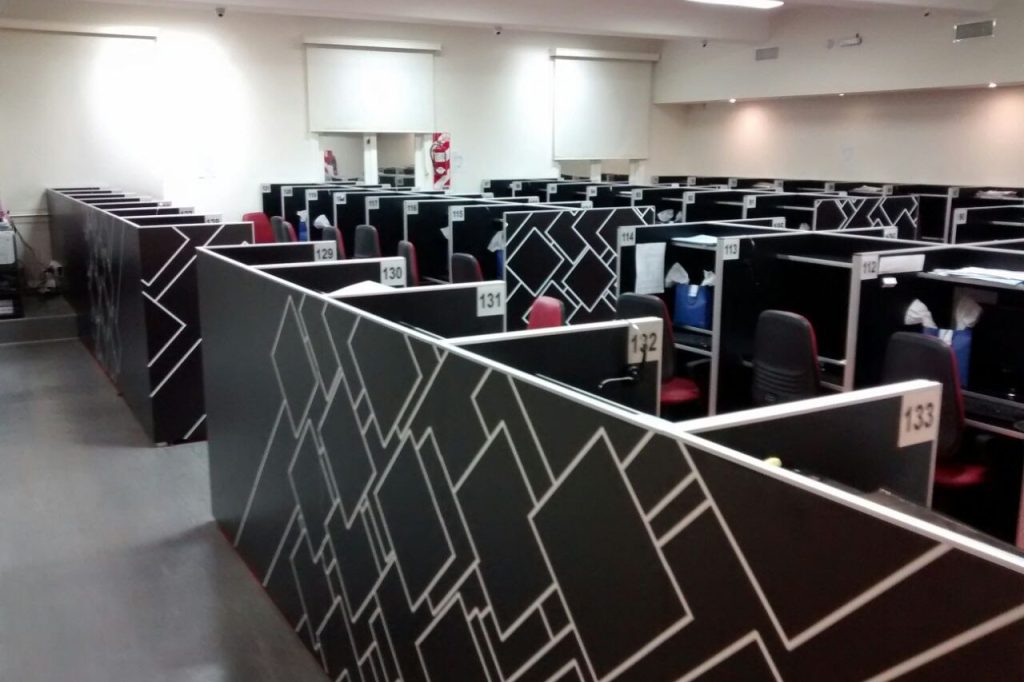
To curb the transmission of COVID-19 while maintaining business stability, the Philippine government has mandated that all Business Process Outsourcing (BPO) firms finalize their work-from-home (WFH) protocols by March 29, 2020. This directive comes amidst an enhanced community quarantine covering Metro Manila and the rest of Luzon, which began on March 16, 2020. While the government initially set a March 20 deadline, the date was pushed back by one week to allow firms additional time for adjustment.
The BPO industry is a vital pillar of the Philippine economy, employing approximately 1.1 million people. According to the Philippine Statistics Authority, it serves as the country’s second-largest source of dollar revenue, trailing only the remittances sent by overseas Filipino workers (OFW).
The sector handles various operations, including accounting, human resources, payroll, back-office functions, and front-office customer service. The IT and Business Process Association of the Philippines (IBPAP) highlighted the industry’s role as a primary driver of economic growth, forecasting that revenues could hit $20 billion by 2022. The transition to remote work follows significant disruptions caused by the enhanced community quarantine, which restricted movement to essential activities like purchasing medicine and food.
Reports from the Philippine Daily Inquirer indicated that thousands of workers were stranded at home, unable to report to their offices due to checkpoints and the suspension of public transport. IBPAP president Rey Untal stated that the extended deadline helps companies ensure operational continuity and provides relief to employees who can now maintain their livelihoods from home.
To facilitate this shift, a government memorandum issued on March 18, 2020, permitted BPO staff to travel specifically to retrieve equipment for home use. To travel, employees must provide their residence address, the address of their employer, and proof of employment. Additionally, the government advised export-oriented establishments and BPO firms to implement alternative work policies, including shuttle arrangements and temporary lodging for staff.
These measures are part of a broader response to a declared state of calamity. This declaration allows local government units to utilize Quick Response Funds for purchasing necessities and implementing anti-coronavirus measures.
The government has also focused on providing medical equipment and supplies to frontline workers. As of March 22, 2020, the Philippines recorded 25 deaths and 380 confirmed COVID-19 cases. Health Secretary Francisco Duque III emphasized that while the government is taking every possible step to protect the public and contain the virus, the success of these efforts depends on public cooperation. By transitioning the BPO sector to remote work, the government aims to lower the risk of virus transmission and mitigate the pandemic’s economic impact.
As the crisis evolves, the government is expected to continue implementing measures to support this critical economic sector and combat the spread of the disease.




