
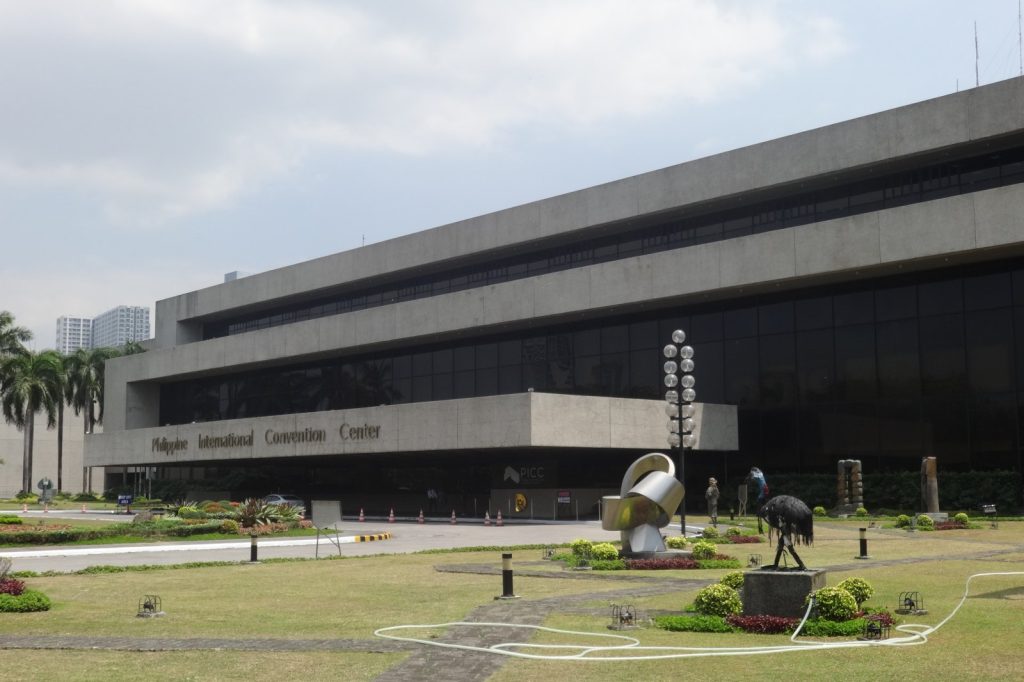
MANILA, July 20 — Philippine Foreign Affairs Secretary Enrique Manelo is presiding over a special meeting of ASEAN foreign ministers today at the Philippine International Convention Center, with maritime security and the situation in the Strait of Hormuz at the top of the agenda. The talks, described as a likely informal retreat, come as the 10-member bloc grapples with rising tensions that threaten freedom of navigation in one of the world’s most critical sea lanes.
ASEAN operates by consensus, a principle enshrined in the ASEAN Charter that entered into force on 15 December 2008. That means any joint statement on the Strait of Hormuz must be agreed to by all 10 member states.
The bloc’s unity on such a sensitive geopolitical issue is far from automatic, but diplomats here see the meeting as an opportunity to forge a common position that reaffirms core principles. The expected outcome is a joint communiqué that once again underlines ASEAN’s commitment to peace, stability, and freedom of navigation in accordance with international law, specifically the United Nations Convention on the Law of the Sea, or UNCLOS.
The document is also likely to call on all parties involved in the Strait of Hormuz to exercise restraint and to de-escalate tensions.
For
—
MANILA, July 20 — Philippine Foreign Affairs Secretary Enrique Manelo is presiding over a special meeting of ASEAN foreign ministers today at the Philippine International Convention Center, with maritime security and the situation in the Strait of Hormuz at the top of the agenda.
The Strait of Hormuz, a narrow waterway connecting the Persian Gulf to the Gulf of Oman, is a vital chokepoint through which a significant portion of the world’s seaborne oil and liquefied natural gas passes.
Any disruption to shipping there directly affects global energy markets, including those of ASEAN member states, which range from net energy importers to producers. ASEAN’s engagement with maritime security is not new. The group has long advocated for peaceful resolution of disputes and adherence to international law in the South China Sea, where overlapping claims have created periodic friction among several members and China.
By applying that same framework to the Strait of Hormuz, the foreign ministers are signaling that the bloc’s core norms—such as restraint, dialogue, and respect for UNCLOS—are meant to be universal, not limited to their own region. The meeting’s format as a likely informal retreat allows for candid discussions away from formal protocols, which can be crucial when trying to reach consensus among ten diverse nations with varying foreign policy orientations and strategic ties.
Some members maintain close relationships with Iran, while others are aligned with Gulf Arab states or the United States. Crafting a joint communiqué that all can endorse requires careful diplomacy and a return to lowest-common-denominator language that reaffirms broad principles rather than taking sides. The talks, described as a likely informal retreat, come as the 10-member bloc grapples with rising tensions that threaten freedom of navigation in one of the world’s most critical sea lanes.
ASEAN operates by consensus, a principle enshrined in the ASEAN Charter that entered into force on 15 December 2008. That means any joint statement on the Strait of Hormuz must be agreed to by all 10 member states.
The bloc’s unity on such a sensitive geopolitical issue is far from automatic, but diplomats here see the meeting as an opportunity to forge a common position that reaffirms core principles. The expected outcome is a joint communiqué that once again underlines ASEAN’s commitment to peace, stability, and freedom of navigation in accordance with international law, specifically the United Nations Convention on the Law of the Sea, or UNCLOS.
The document is also likely to call on all parties involved in the Strait of Hormuz to exercise restraint and to de-escalate tensions. The outcome of these talks will be watched not only by ASEAN member states but also by major external partners, as the bloc’s ability to speak with one voice on a geopolitical crisis far from home serves as a test of its relevance and unity.
A successful communiqué would reinforce ASEAN’s standing as a rules-based organization committed to stability and the peaceful settlement of disputes—values it has enshrined since its founding.
Sources
{“@context”: “https://schema.org”, “@type”: “NewsArticle”, “headline”: “Manila Talks Shape ASEAN Decisions, Future Actions Loom”, “description”: “MANILA, July 20 — Philippine Foreign Affairs Secretary Enrique Manelo is presiding over a special meeting of ASEAN foreign ministers today at the Philippine International…”, “datePublished”: “2026-07-20T09:30:00+00:00”, “author”: {“@type”: “Person”, “name”: “Merry Gel Sigui”}, “publisher”: {“@type”: “Organization”, “name”: “InfoPulse Today”, “url”: “https://newsfeed.infopulsetoday.com/”}, “citation”: [{“@type”: “CreativeWork”, “url”: “https://en.wikipedia.org/wiki/Manila”}]}




