
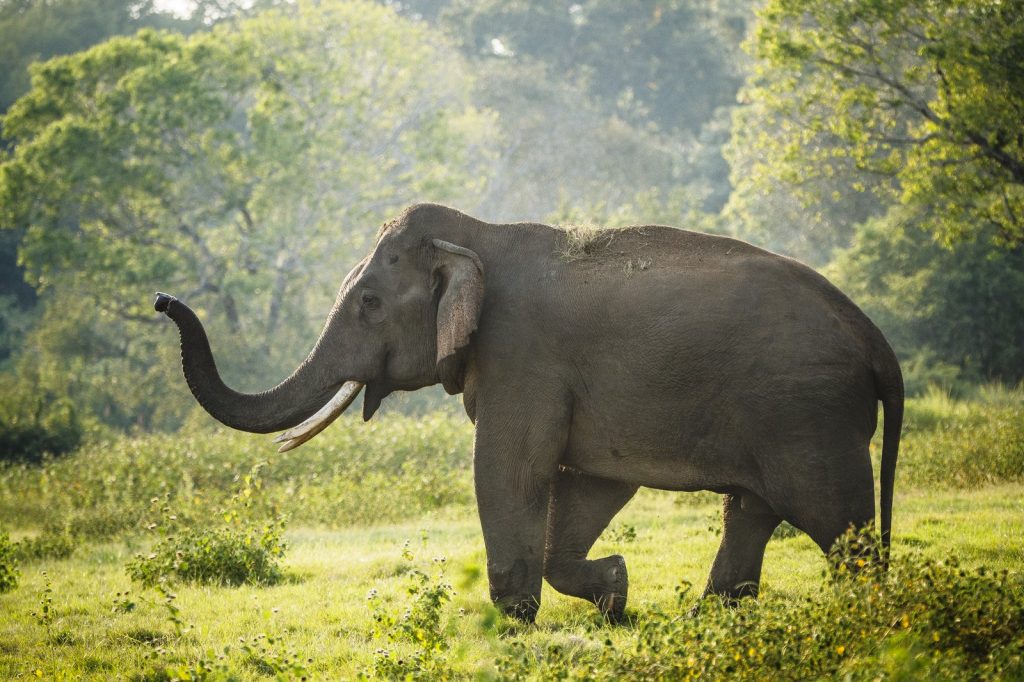
On July 7, 2024, a crowd gathered for a Hindu religious celebration in Kataragama, Sri Lanka, was broken up when an Asian elephant bolted through the assemblage. Thirteen attendees suffered injuries ranging from fractures to lacerations, and the local hospital ward filled quickly with the victims.
The animal’s reaction is typical of elephants that feel startled or threatened; a four‑ton creature moving at speed through a dense group can cause serious harm. While the number of injured is modest compared to the nation’s 22 million residents, each victim is a worshipper who came to the festival and now faces a recovery period that may include permanent damage.
The incident underscores a long‑standing clash between two realities in Sri Lanka. The Asian elephant, a species native to the island, enjoys legal protection and a revered cultural status. Simultaneously, the human population is expanding, pushing settlements and agriculture deeper into traditional elephant habitats. As forests shrink, elephants increasingly traverse areas occupied by people in search of food and water.
Kataragama’s festival is a major event that draws thousands of participants each year. The gathering takes place in a region that also serves as a corridor for wild elephants. The combination of large crowds, noise, and movement can trigger a panic response in an elephant, which appears to have been the case on the July 7 morning. When the animal charged, some individuals were unable to flee quickly enough, resulting in the injuries reported.
Conservation agencies in Sri Lanka have implemented measures to mitigate human‑elephant conflict, including protected habitats, educational outreach, and guidelines for avoiding dangerous encounters. Nevertheless, the pressure from expanding human settlements continues to erode the effectiveness of these strategies. Land‑use planning documents call for buffer zones, wildlife corridors, and warning systems, but on the ground the distinction between human‑occupied space and elephant pathways is becoming increasingly blurred.
The fate of the elephant involved remains uncertain. In Sri Lanka, elephants that attack people may be killed, relocated, or simply disappear back into the forest, leaving their ultimate outcome unknown. The animal’s own trauma from the incident could influence future behavior; a frightened elephant may be more likely to react aggressively if it encounters crowds again.
Festival organizers were aware that elephants inhabited the surrounding area, and wildlife authorities were informed of the event’s schedule. Despite this knowledge, neither party was able to prevent the sudden charge. The episode highlights the limits of legal protection for wildlife when physical distance is not maintained.
Looking ahead, the Kataragama festival is expected to continue next year, as it holds deep religious significance for the community. Authorities and organizers will need to reassess safety protocols, possibly reinforcing existing buffer zones or adjusting the venue to reduce overlap with elephant routes. The goal is to preserve both the cultural tradition and the well‑being of the island’s iconic megafauna.
Thirteen people learned a stark lesson about the dangers of close proximity to wild elephants. Their injuries serve as a reminder that coexistence requires more than legislation—it demands practical separation of human gatherings from elephant travel corridors. Maintaining that separation could prevent further hospital admissions and protect both people and the treasured Asian elephant population.




