
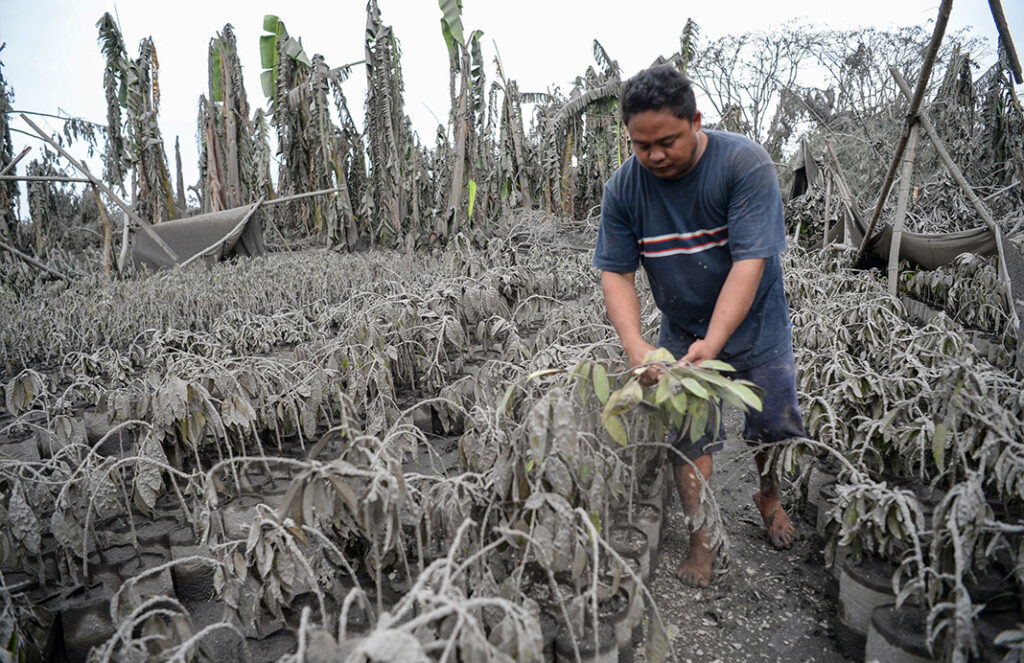
Philippines, January 16, 2020 — infopulsetoday.com — The eruption of Taal Volcano in January 2020 did not trigger a significant slowdown in the Philippines economic growth, according to the National Economic and Development Authority. While initial reports indicated substantial financial losses within Batangas province alone, government officials clarified that the broader impact on the national Gross Domestic Product remained limited for the first quarter of the year. The event prompted immediate disruptions including flight cancellations, market closures, and suspensions of public sector operations in affected areas.
Despite these localized disturbances, authorities maintained that the total economic losses represented a fraction of the nations overall output.
Quantifying the Financial Impact
Reports emerging from the aftermath of the eruption pegged the initial assessment of economic losses at P7.63 billion within Batangas province. This figure encompassed damage to provincial income and gross value-added as well as provincial wealth. The National Economic and Development Authority distinguished between localized property damage and broader macroeconomic indicators.
Socioeconomic Planning Secretary and NEDA chief Ernesto Pernia explained the methodology used to gauge the severity of the event relative to national totals. Total economic losses comprise provincial income, gross value-added, plus provincial wealth [and] public and private structures, said Pernia.
This breakdown highlighted that while the physical destruction was visible in specific municipalities, the statistical weight of these losses did not equate to a contraction in the nations annual output. The NEDA chief furthered that the estimated amount is not even 1 percent of the Philippines P9.2-trillion GDP for the year 2018. This comparison provided context for investors and policymakers concerned about potential recessions or stagnation following natural disasters.
Regional Contributions to National Output
The geographic scope of the disaster played a important role in determining its economic footprint. Based on the Philippine Statistics Authority data, Calabarzon which includes Batangas shared 17 percent in the country s 2018 GDP. This region held the second-largest contributions following the National Capital Region with 36 percent.
The disparity between regional contributions show why damage concentrated in Calabarzon did not automatically translate into a national crisis. The National Capital Region served as the primary economic engine for the archipelago, absorbing shocks from other regions through diversified trade and service sectors.
Even if Calabarzon experienced significant interruptions to its local economy, the broader national economy retained resilience due to the size of the capital region s output. This structural diversity allowed the Philippines to absorb temporary setbacks without derailing long-term growth trajectories.
Operational Disruptions and Uncertainties
In the aftermath Taal s eruption on Sunday afternoon several flights were canceled and markets have shut down. Classes in all levels and work in the public sector in the affected areas were also suspended. These immediate operational disruptions created short-term friction within local supply chains and labor markets.
Government officials have not yet announced the sum of damages to public and private properties as well as goods, as of writing. The lack of finalized damage assessments meant that precise economic modeling remained incomplete during the initial weeks following the event.
There will be some negative effect…The unpredictable behavior of Taal Volcano is just like other risks and uncertainties impinging the economy, the NEDA chief furthered. This statement framed the eruption within a broader context of risk management rather than an isolated catastrophe. Natural disasters represent inherent uncertainties that affect all economies regardless of their development status.
The unpredictability of volcanic activity requires governments to maintain contingency plans that can mitigate economic fallout without causing systemic instability.
Long-Term Economic Outlook
The assessment by NEDA officials suggested that the eruption would not alter the fundamental trajectory of Philippine economic growth. Analysts noted that tourism and agriculture sectors, while impacted locally, showed signs of rapid recovery as safety measures were lifted. The government s focus on infrastructure repair and business continuity planning helped restore confidence among domestic and foreign investors.
The distinction between provincial losses and national GDP remains a critical metric for understanding disaster economics. When damage is concentrated in regions contributing less than 20 percent to total output, the national impact tends to be muted.
This principle guided policy responses aimed at minimizing long-term consequences. The Philippines continues to monitor volcanic activity while balancing economic development with environmental safety. The initial fear of a prolonged economic downturn proved unfounded based on available data and official projections.
Authorities emphasized that resilience built into the economy would absorb temporary shocks without requiring drastic fiscal interventions. This outlook provided stability for businesses operating in affected areas and reassured international partners of the Philippines commitment to sustainable growth despite natural challenges.
{“@context”:”https://schema.org”,”@type”:”NewsArticle”,”headline”:”Taal Volcano Eruption Impact on Philippines GDP Explained”,”datePublished”:”2020-01-16T06:00:22+00:00″,”dateModified”:”2026-05-15T05:28:32+00:00″,”author”:{“@type”:”Organization”,”name”:”InfoPulse Today”},”publisher”:{“@type”:”Organization”,”name”:”InfoPulse Today”,”logo”:{“@type”:”ImageObject”,”url”:”https://newsfeed.infopulsetoday.com/wp-content/uploads/logo.png”}},”mainEntityOfPage”:{“@type”:”WebPage”,”@id”:”https://newsfeed.infopulsetoday.com/?p=182″},”articleSection”:”Business”,”keywords”:”taal volcano gdp impact, philippines economic growth, taal volcano damage, batangas financial loss, ned a assessment, volcano eruption effects, q1 2020 economy, flight cancellations philippines, national economic authority”,”description”:”Official Assessment Limits Economic Concerns Over Volcanic Activity The eruption of Taal Volcano in January 2020 did not trigger a significant slowdown in…”}




