
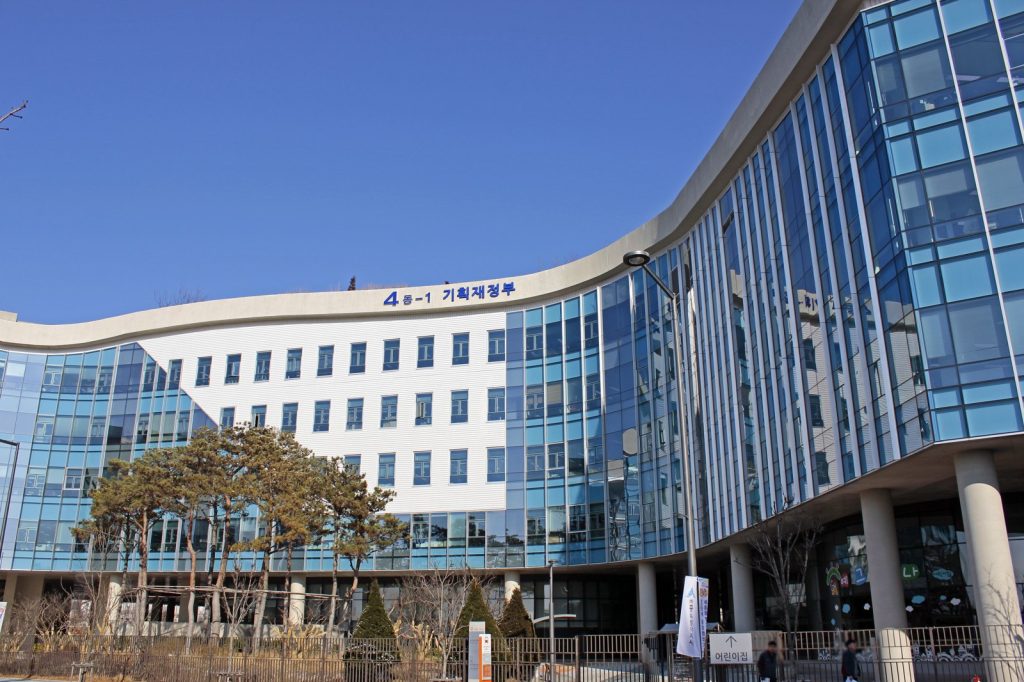
SEOUL, September 15 — South Korea’s most powerful economic policy post has sat empty for two weeks, leaving the Ministry of Economy and Finance without a confirmed minister at its head. The vacancy covers the ministry responsible for fiscal policy, budget formulation, tax policy and the country’s overall economic strategy. For a fortnight, no confirmed minister has been in place to lead the department that coordinates Seoul’s economic response on inflation, household debt, export competitiveness and budget planning.
That is the whole of what is established. The reporting does not specify why the post is vacant, who is under consideration, or when an appointment might come.
Those details are not available and should not be assumed.
Why the empty chair matters
The ministry is one of the most powerful organs in South Korea’s executive branch. Its minister serves as the government’s chief economic spokesperson and typically holds a seat on key national policy bodies, including those dealing with fiscal strategy and international economic cooperation. The department runs the annual national budget process, manages the government’s fiscal stance, and represents South Korea at international economic forums such as the G20 and meetings of finance ministers.
It also plays a central role in coordinating with the Bank of Korea, the country’s central bank, on macroeconomic policy. South Korea is Asia’s fourth-largest economy and a major global exporter of semiconductors, automobiles, ships and petrochemicals.
Its policy direction is closely watched by international markets, trading partners and investors. A prolonged leadership gap at the finance ministry can create uncertainty about the government’s fiscal priorities, its stance on taxation and spending, and its approach to managing economic risks. South Korea has previously faced periods of economic uncertainty tied to global trade tensions, currency volatility and shifts in export demand, which is why the continuity of economic leadership draws market interest.
The regional read
For Asian markets, the gap lands in a country that sits deep in regional supply chains. South Korea is a key link in those chains and a significant destination for business travel and investment, so economic policy decisions made in Seoul can travel well beyond the peninsula. That makes an unfilled finance ministry post not only a domestic political story but a regional economic one.
What to watch next is straightforward. The ministry continues to operate without a confirmed minister until an appointment is made, and the source material offers no timeline for when that will happen.




