
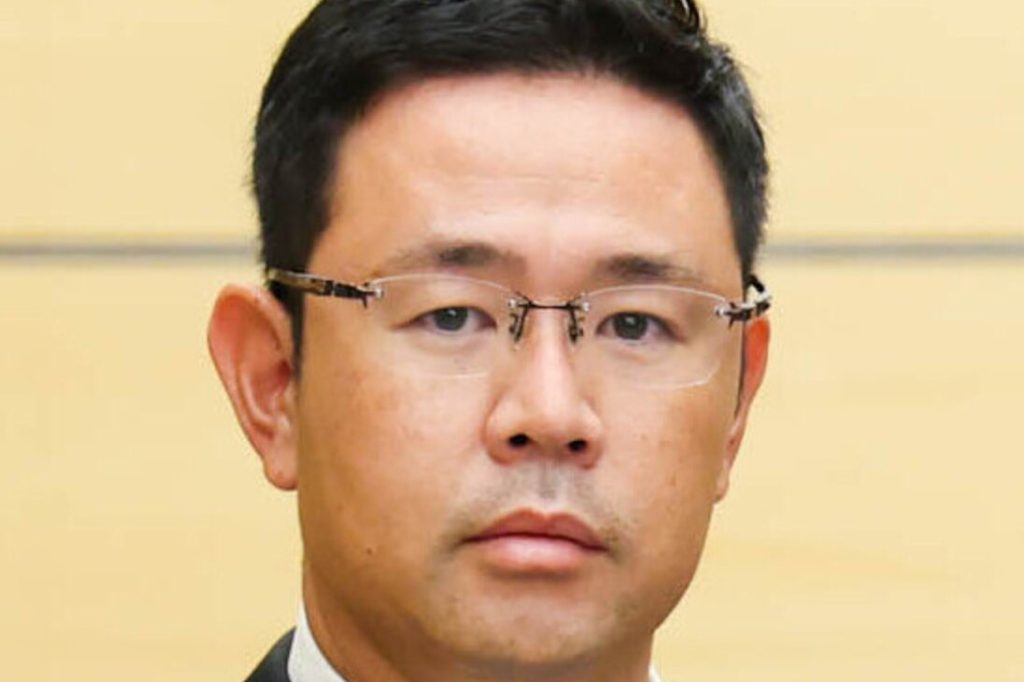
NAHA, September 13 — Genta Koja, the candidate backed by Japan’s ruling Liberal Democratic Party, has won the Okinawa gubernatorial election, installing an LDP-aligned governor in a prefecture that has long been the focal point of friction between Tokyo and Washington over the presence of US military bases. The result is a boost for the LDP and its coalition partner Komeito, which have struggled to win Okinawan elections in recent years. It may ease the path for the Henoko relocation and other Tokyo-backed security measures.
Okinawa is Japan’s southernmost prefecture, an archipelago of more than 160 islands stretching roughly 1,000 kilometers from Kyushu toward Taiwan, with its capital at Naha. It was an independent Ryukyu Kingdom before Japan formally annexed it in 1879.
After the Second World War it was administered by the United States under a trusteeship arrangement until the islands were returned to Japanese sovereignty on May 15, 1972. The base question has defined its politics ever since. Roughly 70 percent of the land area used by US forces in Japan is concentrated in Okinawa, which accounts for less than 1 percent of Japan’s total land area.
The largest and most contentious facility is Marine Corps Air Station Futenma, located in the densely populated city of Ginowan.
The Henoko dispute
In 1996 the Special Action Committee on Okinawa agreed to return Futenma’s land to Japan, with the base’s functions to be relocated. A 2006 US-Japan agreement set the replacement facility at Camp Schwab in the less developed Henoko district of Nago, on Oura Bay. Construction began in 2017 after years of protest and legal challenges.
Okinawa governors have repeatedly opposed the relocation. Takeshi Onaga, elected in 2014, revoked construction permits and fought the central government in court before his death in office in 2018.
His successor, Denny Tamaki, elected in 2018 and re-elected in 2022, also opposed the Henoko plan and pressed for a reduced US military footprint. The prefecture has also been the site of high-profile incidents involving US service members that have fueled local anger, including the 1995 abduction and assault of a 12-year-old girl by three US servicemen, which triggered mass demonstrations and reshaped the base debate.
What the governor can and cannot do
The governor’s office holds limited authority over base policy, which is set by the national government in Tokyo and the US-Japan security alliance. But the governor controls land-use permits, construction approvals and the prefecture’s political voice, making the post a key lever in the long-running dispute. Koja will take office as governor of Okinawa Prefecture, succeeding the previous incumbent, and will face immediate questions over the Henoko construction schedule, the status of Futenma, and the prefecture’s relationship with Tokyo and Washington.




