
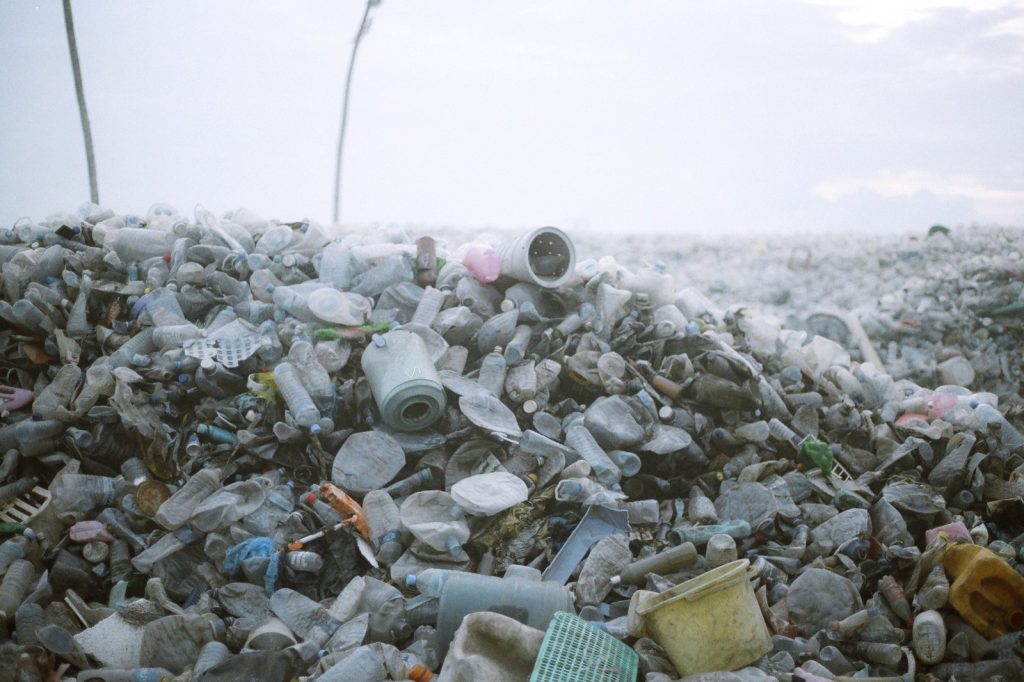
Almaty, August 31 — As South and Southeast Asia grapple with mounting packaging waste, governments are stepping in with regulatory measures aimed at closing the gap between plastic use and recycling rates. The region faces a stark challenge: mismanaged plastic waste averages 29%, more than double the proportion that is successfully recycled across the ASEAN Plus Three (ATP) region. This discrepancy underscores the need for stronger policies, particularly as packaging accounts for around 40% of plastic use in Southeast Asia, the largest single application of the material.
Vietnam has moved swiftly to address the problem with the implementation of Decree 110/2026/ND-CP in May 2026. The decree supports the country’s Law on Environmental Protection, which requires producers and importers to either organise the collection and recycling of packaging waste or make financial contributions to the Vietnam Environmental Protection Fund.
This framework ties the amount of packaging placed on the market directly to end-of-life responsibility, incentivising businesses to design more sustainable packaging solutions. The policy aims to reduce waste, lower compliance risks, and ensure materials stay within the supply chain. In Singapore, the Resource Sustainability Act mandates that companies report their packaging data and submit Reduce, Reuse, Recycle (3R) plans to the National Environment Agency.
This approach focuses on reducing packaging at the source, enhancing data transparency, and supporting targeted policy decisions. The move reflects a broader strategy to ensure that waste reduction efforts begin at the earliest stage of the supply chain.
Thailand has taken a different route, restricting imports of plastic waste after becoming a major destination for global plastic waste streams. The Organisation for Economic Co-operation and Development (OECD) notes that such restrictions help reduce pressure on domestic recycling systems and encourage investment in national waste infrastructure. The policy is a response to the growing influx of foreign waste, which has strained local capacity and environmental systems.
Despite these efforts, the effectiveness of government interventions depends on the engagement of all stakeholders. While enforcement is strong in high-income countries like Singapore, lower-income contexts face challenges due to capacity constraints that limit compliance monitoring. The OECD highlights that robust regulatory frameworks alone are not enough; they must be paired with consistent enforcement and collaboration across the private sector and civil society.
Looking ahead, the success of these initiatives will depend on continued investment in infrastructure, public awareness, and cross-border cooperation. As the region moves toward more circular systems, the role of Extended Producer Responsibility will be critical in ensuring that environmental and economic goals are aligned.
What remains to be seen is how effectively these policies can be scaled and sustained in the face of ongoing economic and logistical challenges.




