
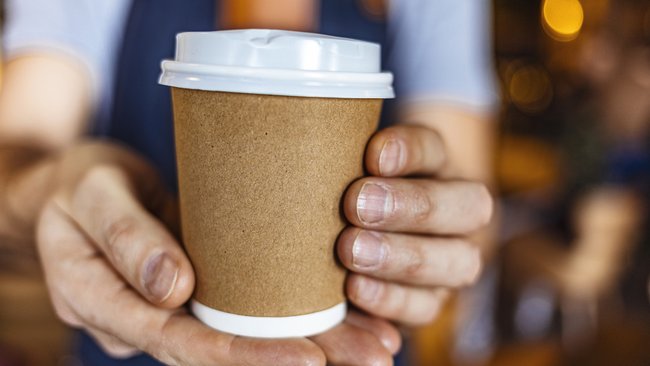
Singapore has introduced a landmark prohibition on single-use coffee cups, becoming the first nation in Asia to do so. The regulation, enforced by the National Environment Agency (NEA), came into force on April 24, 2024, and applies across all food and beverage establishments, including cafes, hawker stalls, and fast-food chains.
The measure targets a reduction in plastic waste and promotes reusable container usage. It forms part of Singapore’s Zero Waste Masterplan, which aims to cut waste directed to Semakau Landfill by 30% before 2030. The ban covers disposable cups made from paper, plastic, or composite materials, including those for both hot and cold beverages.
Establishments must now serve drinks in reusable cups or accept containers brought by customers. Businesses may charge a deposit for reusable cups or provide discounts to patrons who bring their own.
Pre-packaged drinks, such as bottled beverages and canned sodas, remain exempt. Grace Fu, Singapore’s Minister for Sustainability and the Environment, stated in an April 24 press release that approximately 500 million disposable cups are used annually in Singapore—about 1.4 million per day—with most ending up incinerated or in landfills.
Enforcement and Penalties
The NEA will enforce the ban through routine inspections and public complaints. First-time offenders face fines up to SGD 5,000, while repeat offenders may be fined up to SGD 10,000.
A hotline has been established for customers to report non-compliant outlets. A six-month grace period was provided for businesses to adapt, and the ban is now fully operational. An NEA spokesperson noted on April 24 that the agency is collaborating with industry partners to facilitate a smooth transition and encourages consumers to bring reusable cups.
Industry Response
Reactions from business owners have been varied. Large chains like Starbucks and Toast Box have already implemented reusable cup programs. However, smaller hawker stalls face challenges due to higher costs—reusable cups cost between SGD 1.50 and SGD 3.00 each, compared to SGD 0.10 for disposable ones.
Tan Kian Hock, owner of a coffee stall in Chinatown, told local media on April 24 that while he supports the concept, implementation is difficult due to the expense of purchasing hundreds of reusable cups and the additional time and water required for washing.
Public Reaction and Alternatives
A survey by the Singapore Environment Council, released on April 23, indicated that 78% of respondents are willing to bring their own cups. Some cafes now offer a SGD 0.50 discount for customers who do so. Lim Siew Mei, a 34-year-old office worker, commented to the Straits Times on April 24 that she has used a reusable cup for years, finding it convenient and cost-effective.
The NEA has promoted biodegradable cups made from plant-based materials, but these are not exempt from the ban, as the agency argues they still require energy and resources to produce and often end up in landfills.
Broader Context
The ban aligns with a global trend: the European Union prohibited single-use plastic cups in 2021, and Australia’s Victoria state followed in 2023. Singapore’s move supports its goal of becoming a zero-waste nation by 2030. Semakau Landfill, the country’s only landfill, is projected to run out of space by 2035. Minister Fu emphasized that current consumption and disposal rates are unsustainable and that the ban sends a clear signal for collective action.
This regulation builds on earlier measures, including a mandatory plastic bag charge at supermarkets in 2023 and a ban on plastic straws and stirrers at food outlets since 2022. Other Asian countries, such as Malaysia and Thailand, are considering similar policies, while Japan and South Korea have voluntary programs.
On the first day of the ban, compliance was mixed, with some outlets still using disposable cups. The NEA stated it would issue warnings during the first week before imposing fines, taking a pragmatic approach focused on education. The ban is expected to reduce plastic waste by an estimated 10,000 tons annually, roughly 2% of Singapore’s total plastic waste.
Environmental groups have praised the move but called for broader action, including a ban on all single-use plastics. Jenna Tan, executive director of the Singapore Environment Council, stated on April 24 that while the ban is a good start, further steps and improved recycling infrastructure are needed.




