
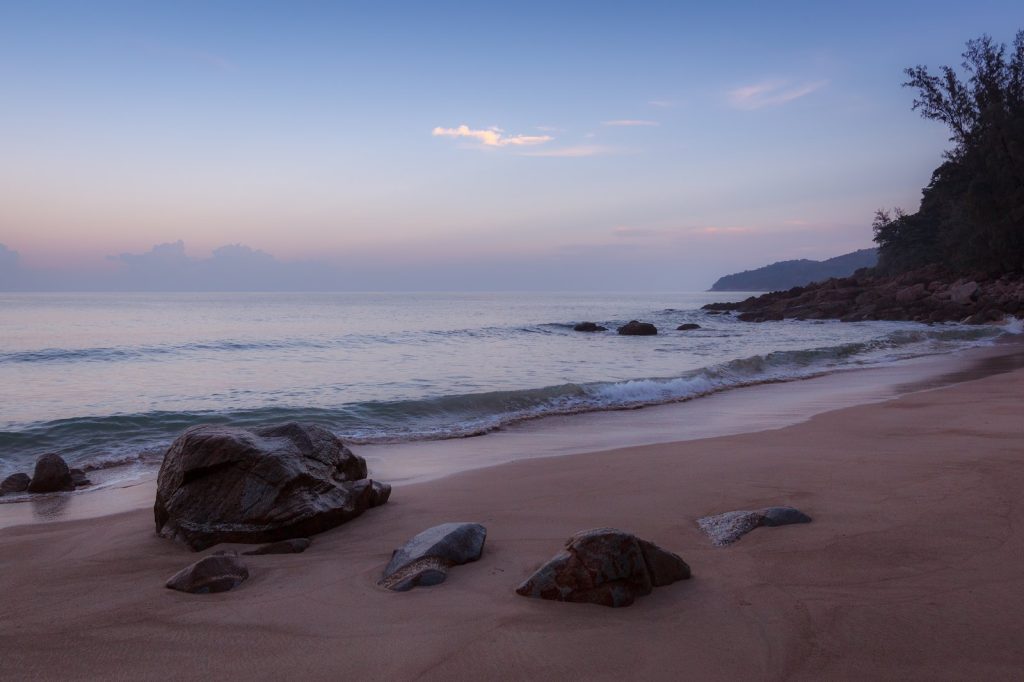
The lives of many Russians have been significantly changed as they seek refuge in Thailand, particularly in the picturesque island of Phuket. As Western countries impose restrictions due to the geopolitical tensions surrounding Vladimir Putin’s Ukrainian campaign, Thailand has become a welcoming destination for Russian elites. The influx of Russians in Phuket has not only transformed the island’s tourist landscape but also had a profound impact on the local community.
For instance, Yuri Vorona, a Phuket-based restaurant manager, notes that the atmosphere on the island is “wonderful and peaceful” for both locals and Russians, with many of the latter seeking to escape the turmoil and simply “rest and not fight.” The Thai Ministry of Tourism and Sports reports that over 790,000 Russian citizens visited Thailand in the first half of this year, marking a staggering 1,000 percent surge compared to the same period last year.
A significant portion of these visitors has chosen Phuket as their destination, with the Phuket Tourist Association confirming that Russians have become the island’s dominant tourist demographic. This shift has led to a notable trend, with Russian elites investing in Phuket’s property market. According to Knight Frank Thailand, a real-estate agency, 338 villas were sold in the past year, with nearly half of the buyers being Russian visitors.
Phuket’s Transformation
The influx of Russian elites has not only boosted Phuket’s tourism and real estate sectors but has also led to the island’s transformation into a cultural melting pot. Christian Steinbach, sales director at FazWaz property group, highlights the significant presence of Russian-speaking individuals in the island’s property market. Beyond leisure and real estate, Thailand has become a sanctuary for Russia’s wealthiest individuals, with Phuket hosting high-profile visitors such as billionaire Igor Rybakov, who conducted business-coaching sessions on the island in January.
The island also witnessed the presence of a superyacht purportedly belonging to Russian oligarch Alexander Svetakov during Christmas. To accommodate the new demographic, Phuket’s airport now makes announcements in Russian, and a culinary fusion of Russian and Thai dishes has emerged.
The landscape also boasts Russian bathhouses, rock concerts featuring Russian bands, and a newly inaugurated Russian consulate. As the migration of Russian elites to Thailand persists, Phuket may well evolve into the “Little Russia” of the East, a testament to the island’s ability to adapt and transform itself into a crossroads of cultures and aspirations.
Adapting to Change
The locals in Phuket are adapting organically to the influx of Russian residents, with many businesses catering to the new demographic. The island’s ability to transform itself has been evident in the emergence of Russian-language services, cultural events, and cuisine. As the Russian community continues to grow, it will be interesting to see how Phuket balances its traditional Thai culture with the influx of Russian influences.
The island’s transformation is a testament to the power of cultural exchange and the human desire for peace and tranquility. As the situation continues to unfold, it will be crucial to watch how Phuket navigates its new status as a hub for Russian elites.
With the ongoing geopolitical tensions, it is likely that more Russians will seek refuge in Thailand, further transforming the island’s landscape. The key to Phuket’s success will lie in its ability to balance the needs of its new residents with the preservation of its traditional culture and environment.
As the island looks to the future, it is essential to monitor the impact of this influx on the local community, the economy, and the environment, and to ensure that the transformation of Phuket into the “Little Russia” of the East is a positive and sustainable one. Looking ahead, it will be essential to keep a close eye on the developments in Phuket and how the island adapts to its new role as a sanctuary for Russian elites.
As the world watches, it will be fascinating to see how this unique cultural exchange unfolds and what the future holds for Phuket, a island that has become a symbol of hope and tranquility for many Russians seeking refuge. With its stunning natural beauty, rich culture, and welcoming community, Phuket is poised to become an even more significant player on the global stage, and its transformation will undoubtedly be a story to watch in the years to come.




