
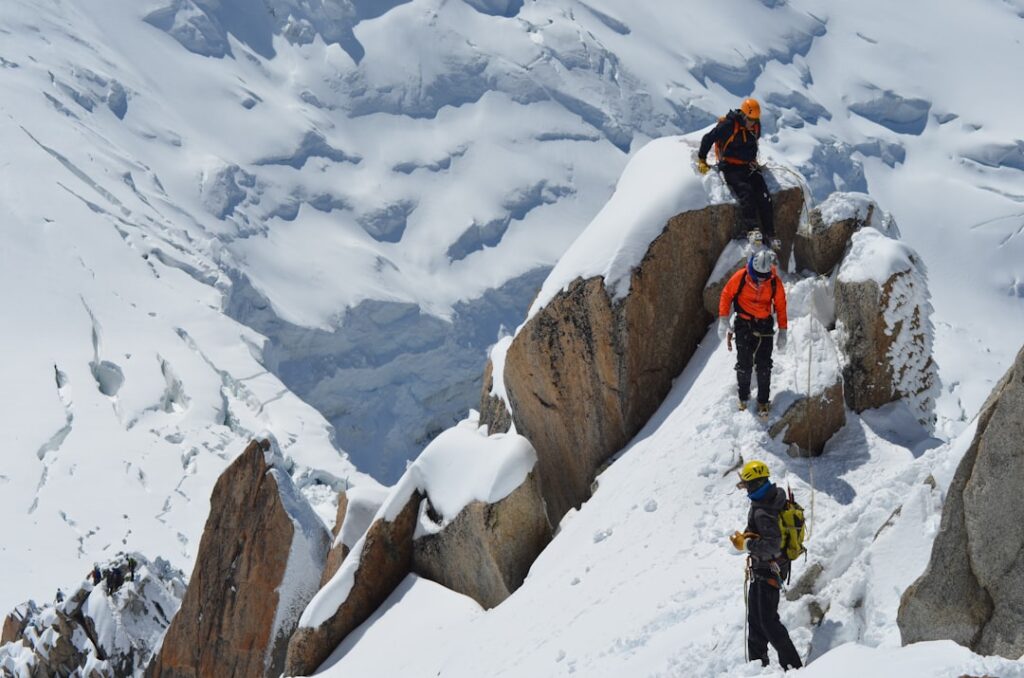
On July 14, three Italian hikers lost their lives on Mont Blanc, prompting a wave of sorrow across a nation where the Alps are deeply embedded in cultural identity. The incident has revived a painful and familiar question in cities such as Turin, Aosta, and Milan, as well as in the small towns whose residents often venture into the peaks: what further steps can be taken to prevent such losses? Mont Blanc, the highest summit in the Alps, attracts thousands of visitors annually.
Its striking beauty is matched by its inherent perils. The terrain is challenging, and weather conditions can change abruptly.
Even seasoned hikers who prepare thoroughly can encounter lethal situations within moments. The three victims were Italian, and their deaths occurred in July, a peak month for climbing. This timing underscores that the season is active, with other hikers likely traversing similar routes at this very moment.
In the immediate aftermath, authorities on both the French and Italian sides of the border have launched an investigation. Officials will examine the conditions on the day of the accident, the equipment the hikers carried, and will interview guides and other climbers present in the area.
However, such inquiries take time, and during this period, the mountain remains open to other parties attempting ascents. Whether temporary restrictions or trail closures will be implemented is an open question, as authorities have not yet announced any such measures. For the families of the deceased, the impact is immediate and profound. While grief is a private matter, the public nature of the accident means the loss is shared by a broader community.
Italian alpine clubs, rescue services, and local guides are particularly affected. These networks are tightly knit, and a death on the mountain is not an abstract figure—it is a colleague, a friend, a fellow climber who failed to return home.
The tragedy also carries consequences for tourism. Mont Blanc is a major draw, and the region relies on visitors who come for hiking, climbing, and skiing. Each fatal accident, especially one involving multiple people, sends a message that this is not a theme park but a high-altitude environment with genuine risks.
Some tourists may reconsider their plans, potentially canceling trips. The local economy, which depends on guiding services, mountain huts, equipment rentals, and hospitality, will likely feel this hesitation—measurably, if not catastrophically.
Italy itself is familiar with this tension. Its geography is remarkably diverse, from the Alps in the north to the Mediterranean coast, volcanoes, and hills. Italians share a deep connection to the land, which includes an awareness of its dangers.
The deaths on Mont Blanc reaffirm a known truth: nature is not tame, and regulation alone cannot make it safe. The mountain’s power is real, and its unpredictability is part of the experience.
What comes next remains uncertain. The investigation will produce facts that may lead to recommendations—such as better communication systems, stricter check-in protocols, or more detailed weather forecasts for climbers. Alternatively, the conclusion may be that this was an unpreventable tragedy, a simple convergence of unfortunate circumstances.
Regardless, the families will bury their dead, guides will return to the mountain, tourists will continue to arrive, and Mont Blanc will remain as it always has: beautiful, demanding, and utterly indifferent.




