
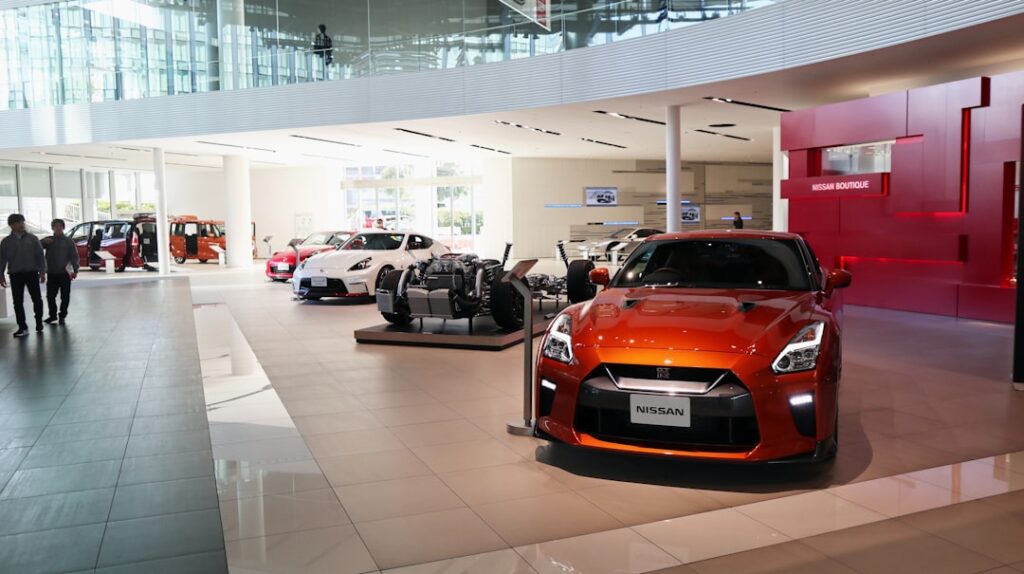
By late February 2020, the coronavirus outbreak had achieved what no economic downturn, tariff dispute or regulatory change had ever accomplished: every car showroom in China stood empty. The closures were not gradual or partial. They were total. With millions of residents under lockdown and factory operations suspended nationwide, the conventional car-buying process—visiting a dealership, inspecting a vehicle, taking a test drive—ceased to exist.
Automakers that had spent decades refining the in-person sales experience had to abandon it abruptly. The statistical impact was stark. February 2020 sales fell by more than 90 percent compared to the same period the previous year. That figure represents not a mere slowdown but a near-complete shutdown of the world’s largest automotive market within weeks.
Major global manufacturers including BMW, Mercedes-Benz and Tesla were compelled to reassess their entire approach to selling cars. With physical locations inaccessible and assembly lines halted, the sole remaining channel was digital. Customers could still customize a vehicle on a website and submit an order, but they could not physically interact with the product beforehand.
Mercedes-Benz addressed the situation directly, stating that the traditional dealership-based sales model had become unworkable under the health restrictions imposed to control the virus. The company offered no optimistic framing. This was not a deliberate move toward e-commerce. It was a necessity driven by survival.
No automaker entered January 2020 with a plan to transition sales online. The shift was imposed by a public health emergency that idled factories, trapped inventory and kept consumers at home. Production line stoppages in China were severe. Manufacturing operations halted almost completely. Workers went without pay. New vehicle production was impossible. The only cars available were those already sitting on dealer lots—and with showrooms shut, even that stock remained inaccessible to buyers.
Online ordering became the sole method for generating revenue. Consumers could select a model, choose specifications and complete payment without leaving their residences. For manufacturers, this was not an optimal solution. It was the only one available.
The move to digital sales was not solely about short-term revenue maintenance. It was about preserving financial stability throughout the supply chain. Without car sales, factories would remain closed. Without factory operations, parts suppliers would collapse. Without suppliers, the entire system would break down.
China’s automotive market had never experienced such a disruption. The 90 percent sales decline ranked among the steepest drops in the industry’s history in that country. Companies that had anticipated continued expansion in China suddenly confronted the possibility of zero sales.
By shifting sales online, BMW, Mercedes-Benz and Tesla gained time. They maintained at least some cash flow while awaiting factory reopenings and showroom restorations. Whether this digital transformation will persist beyond the pandemic remains uncertain. But in late February 2020, it represented the only viable path forward. For an industry that had depended on the same physical sales model for generations, that represented a remarkable reversal.




