
The U.S. Department of Agriculture’s Food Safety and Inspection Service has announced a recall involving more than 58,000 ground beef products distributed by Green Bay Dressed Beef, a Wisconsin-based company. The recall stems from concerns over potential E. coli contamination, marking a significant food safety event affecting multiple states. The USDA, which oversees agricultural trade, production, and natural resource protection, is coordinating with state and local health authorities to monitor the recall and halt further distribution of the affected items.
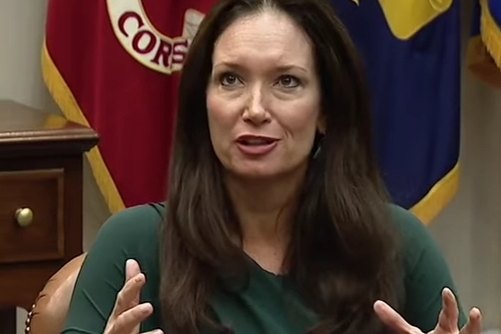
The agency’s Food Safety and Inspection Service is leading the response, working alongside food manufacturers and distributors to address the contamination risk. Secretary of Agriculture Brooke Rollins has stated that the USDA’s primary objective is ensuring a safe and healthy food supply for the American public.
The department operates with a budget of $213 billion, with approximately 71 percent allocated to nutrition programs. This financial framework supports the agency’s capacity to manage complex food safety challenges. Rollins has underscored the importance of ongoing investment in food safety technology, noting that “investing in new technologies and methods will enable us to better detect and prevent foodborne illnesses.” This approach aligns with the USDA’s efforts to enhance inspection processes and develop more effective testing methods through scientific and technological advances.
The recall highlights the collaborative nature of food safety efforts. By working closely with industry stakeholders, the USDA aims to quickly identify and respond to potential contamination risks, thereby reducing the likelihood of illness.
This partnership is particularly critical for protecting vulnerable groups, such as the elderly and young children, who face higher risks from foodborne pathogens like E. coli. Consumers are advised to check their refrigerators and freezers for the recalled ground beef products and to discard them immediately. The USDA has also issued guidance on safe handling and cooking practices for ground beef to minimize the risk of E. coli contamination.
Taking a proactive and informed approach to food safety can help individuals protect themselves and their families. Rollins has expressed optimism about the potential for research and technology to drive improvements in food safety.
“By investing in the latest technologies and working collaboratively with industry stakeholders, we can create a food system that is safer, more sustainable, and more resilient,” she said. The USDA continues to work toward a future where foodborne illnesses become rare and consumers can trust the safety and quality of their food. For medical advice, consult a doctor.




