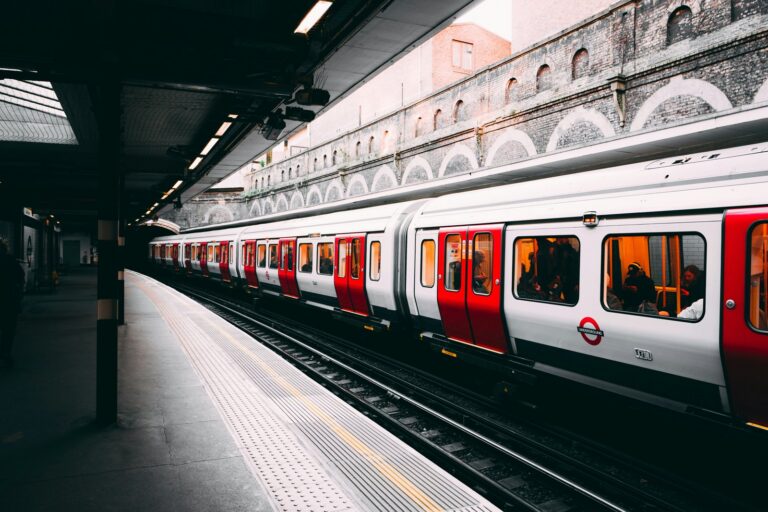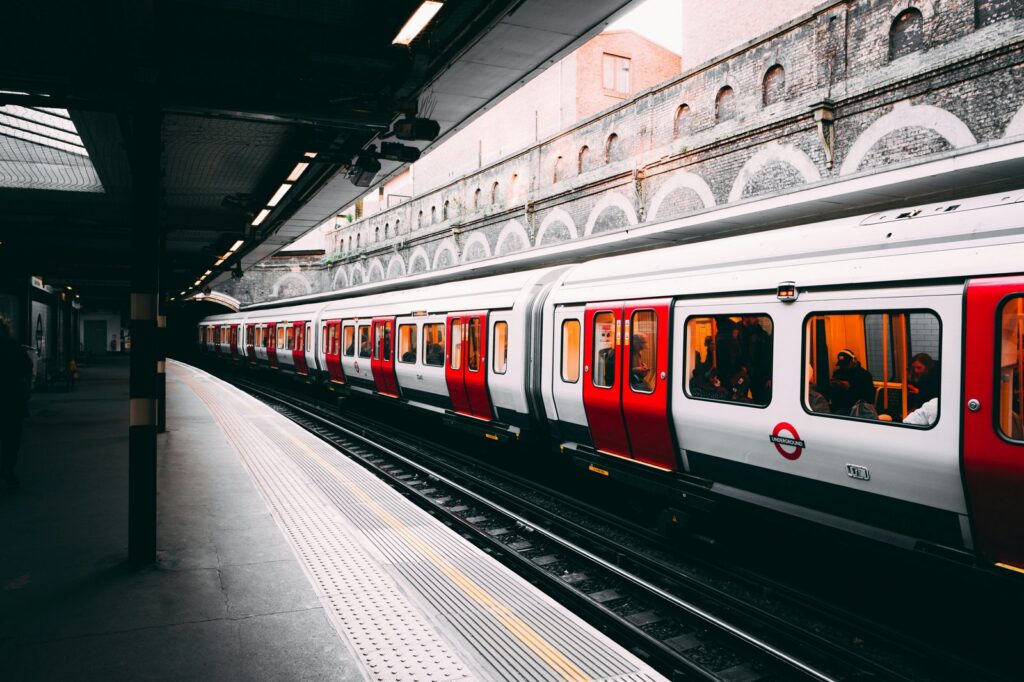
Rail transport is going mainstream across Asia, winning back travellers with efficiency and reliability that has transformed daily commuting and freight logistics.
The Modern Rail Revival Across Asia
For all the noise surrounding aviation and road congestion, the salient point remains that rail networks are driving a massive revival in travel. This shift is evident in how millions of people now rely on trains for their daily commute, with systems operating on a scale that supports over two billion passenger trips annually in some territories.
The resurgence is not merely about moving bodies; it represents a fundamental change in how regional economies function. As networks expand, they offer businesses predictable delivery windows and reduced logistics costs, while passengers enjoy spotless stations and strict adherence to schedules. The infrastructure now connects hundreds of cities across multiple continents, creating a web of connectivity that supports both local life and international trade.
Key Urban Transit Leaders: Taipei, Singapore, and Hong Kong
Taipei’s MRT system serves over 767 million passengers in 2025, averaging 2.1 million a day according to recent data. The network operates on a massive scale where all stations are spotless, with clearly marked queuing lines, and trains run strictly on time. A single EasyCard works across the MRT, buses, and bike rentals, streamlining the user experience for residents who rely on these services daily.
New Taipei’s light rail and circular line recorded a record high of 30 million passenger trips last year. The transit network is being expanded steadily to accommodate this growth, ensuring that the system continues to meet the demands of a rapidly urbanizing population. This expansion reflects a broader trend where cities are investing in rail capacity to manage density without relying solely on road infrastructure.
Singapore’s MRT network features 146 stations and serves around 3.5 million passenger trips daily. According to Singapore’s Land Transport Authority, 99.4% of trains ran on schedule in 2025. In July 2026, three new stations—Keppel, Cantonment, and Prince Edward Road—opened for service, making the Circle Line a full loop. Acting Transport Minister Jeffrey Siow noted that with these additions, people could stop asking why the line wasn’t actually a circle.
Hong Kong’s MTR network is an integral part of daily life, with 99.9% of trips on the high-frequency rail network running on time in 2025. Over the course of the year, the system served nearly two billion passenger trips. What makes Hong Kong stand out is the diversity of its transit options; few places allow travelers to step off a high-speed train, hop onto a century-old double-decker tram, and finish their journey crossing the harbor on a Star Ferry, all paid for with a single tap of an Octopus card.
The Cargo Revolution: China-Europe Freight Trains
While passenger numbers soar, freight rail is also gaining momentum. This year, an average of 51.2 China-Europe freight trains departed China daily through six major border crossings, up 12.8 percent year-on-year. Freight flows have become more balanced, with the ratio of return trips to outbound trips exceeding 90 percent for the ninth consecutive month in September.
Vehicles and auto parts, machinery, and electrical products are among the major items of outbound cargo, while timber, pulp, agricultural products, and consumer goods from Europe travel in the opposite direction. For companies like Sinopec Lubricant Co., the rail connection is close to home, with its factory situated just over 10 kilometers from an inland port. The company previously faced high transshipment costs and fluctuating transit times when exporting by sea. Using the rail service has significantly reduced its overall logistics costs and strengthened its confidence in expanding exports.
Scheduled services leave for Central Asia every Monday and for Europe every Thursday, supplemented by additional trains to meet demand. According to China Railway Beijing Group, scheduled China-Europe and China-Central Asia services from Beijing take about 12 to 15 days. Fixed departure times, routes, and train numbers give businesses a more predictable delivery window, allowing them to book space ahead of time and plan when to make and ship their goods.
Regional Variations in Success
In the UK, Edinburgh’s success is largely attributed to Lothian Buses, a bus operator largely owned by the local council. In 2025, the company transported 119 million passengers. Edinburgh Trams also recorded an all-time annual high of 12.5 million trips. Although the company faced numerous challenges in its early years, passenger numbers surged after the route extension to Newhaven through Leith was completed in 2023.
Seoul’s extensive subway system is renowned for its smooth operation, spotlessly clean train cars, and seamless mobile coverage even underground. Fares start at just 1,500 won (US$1.1), making it accessible to a wide demographic. These systems demonstrate that rail success is not confined to one region but is a global phenomenon driven by consistent investment in infrastructure and service reliability.
What This Means Now
The integration of these networks means that for anyone living in Taipei, Singapore, Hong Kong, Seoul, or Edinburgh, the train has become the default mode of transport. The ability to tap contactless payment cards when boarding buses and trams while also opting for daily or weekly passes simplifies travel planning. As the network expands, efforts are underway to make services more predictable and better suited to different types of cargo, helping businesses plan shipments and meet delivery commitments.
This shift underscores a broader trend where rail is no longer just an alternative but a cornerstone of modern life in Asia. The data suggests that as cities grow denser, the efficiency and reliability of rail systems will continue to drive their success, offering a sustainable solution to the challenges of urban mobility and economic connectivity.
Sources
- Rail transport by country
- Freight train to Europe marks new milestone
- 3 Asian cities lead world's top 10 for public transport
Photo: Tomas Anton Escobar / Unsplash (Unsplash License)