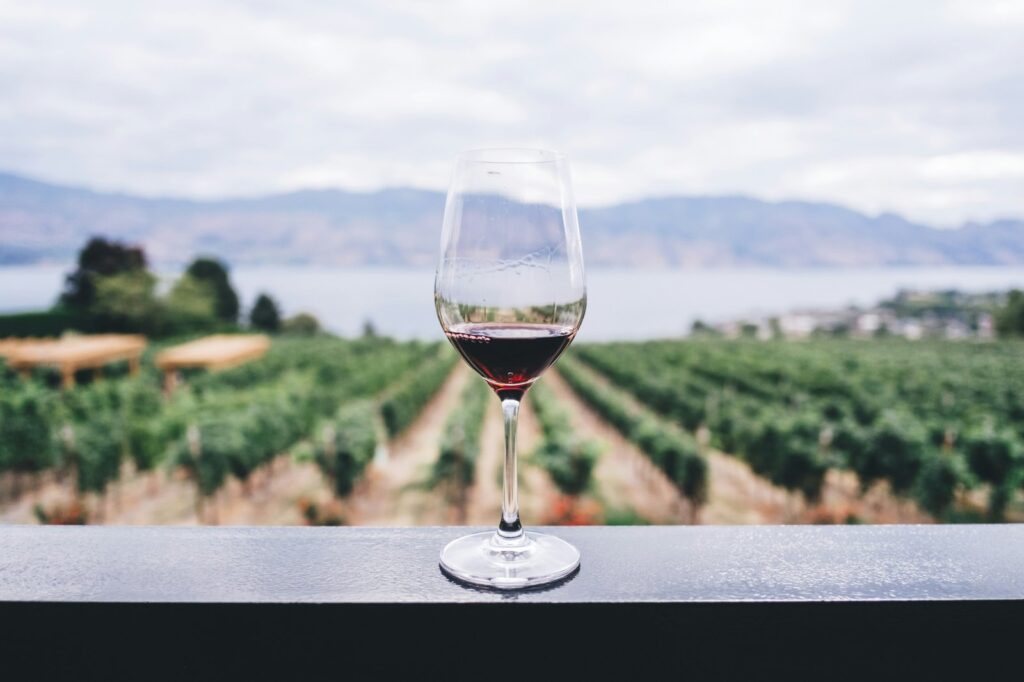
SHANGHAI, October 20, 2026 — London-based private members’ wine club 67 Pall Mall is scheduled to open its first mainland China outpost in December in Shanghai’s former French Concession. The move highlights a shifting landscape for Chinese wine, an industry with a 2,000-year history that is now navigating a major market turning point.
Ancient Roots on the Silk Road
China’s relationship with wine stretches back over two millennia, predating modern European imports by centuries. According to historical records, grape culture and winemaking techniques arrived from Central Asia via the Silk Road during the Han Dynasty, around the 2nd century BC, during the reign of Emperor Wu. By the Tang Dynasty, wine had entered the literary canon. The poet Wang Han referenced “pouring beautiful wine into a luminous cup” in his “Liangzhou Ci,” illustrating that wine coloured banquets and culture, not merely serving as a beverage. For all the noise about baijiu, the historical footprint of grape wine is deeper than many assume.
Five Regions Define Modern Production
The contemporary industry is anchored in five major production regions: Ningxia, Shandong, Xinjiang, Hebei, and Yunnan. These areas have become the focal points for quality viticulture, moving the needle away from the bulk production that once defined the sector. In recent years, Chinese wine brands emerging from these regions have begun to secure recognition at global wine competitions, signalling a shift in international perception. The salient point is that quality is no longer an aspiration but a measurable outcome in specific appellations.
A Global Club Bets on Shanghai
The arrival of 67 Pall Mall in December underscases a bet on the evolving Chinese palate. Founder Grant Ashton frames the expansion within a global trend: a migration away from high-ABV spirits, which can reach 40 per cent, toward wine, typically sitting at 12 to 14 per cent. “Wine is halfway down to zero,” Ashton says, mapping a spectrum from spirits to non-alcoholic options. He argues that for a generation starting from spirits, wine represents a “sweet spot,” while for younger drinkers starting from abstinence, it serves as a “naughty place” before moderating further. It would seem the club is positioning itself at the intersection of those two trajectories.
Younger Drinkers Recalibrate Consumption
Data supports Ashton’s thesis. According to the Annals of Internal Medicine, alcohol use among Gen Z adults aged 18 to 29 fell by more than 5 per cent between 2022 and 2024. In China, baijiu sales have softened, particularly among younger consumers who increasingly view the 40 to 60 per cent ABV spirit as their parents’ drink. Ashton notes that younger people are drinking less overall, but those who do drink are emphasising quality over quantity. “When you get to trust your sommelier and they serve you something slightly different, over time, people expand their horizons,” he says. The implication for domestic producers is clear: the entry-level mass market is shrinking, while the curious, quality-focused segment is growing.
Legal Shadows Over a Digital Pioneer
The industry’s growing pains are visible in the courtroom. Beijing-based Lady Penguin Wines & Spirits Co., Ltd., the company behind one of China’s best-known influencer-led wine brands, faces court enforcement proceedings involving RMB111.3 million (US$16.6 million). The Beijing Fourth Intermediate People’s Court is handling the case, recorded on October 14 by corporate platform Qichacha. The defendants, the company and Li Baolong, were also named in a September hearing on charges of smuggling ordinary goods and articles, suggesting a possible connection between the proceedings. Lady Penguin, the nickname of founder Wang Shenghan, built a following of over 6 million through wine education content before pivoting to direct sales, peaking at RMB350 million in annual sales. The case adds a layer of regulatory scrutiny to the influencer-driven model that fuelled much of the sector’s recent consumer-facing growth. As of the latest records, the company remains in business, though Wang has been less visible publicly since late September 2025.
Sommelier‑Led Education Fuels Shanghai’s Wine Curiosity
In a recent note posted from Shanghai, a local sommelier highlighted how “wine education content” has become a primary driver of consumer interest in the city. The author observes that, beyond the historic allure of the Bund and French Concession, modern drinkers are turning to guided tastings and online tutorials to navigate the expanding Chinese wine market. This educational push is especially pronounced among younger patrons who, according to the sommelier, “trust your sommelier and they serve you something slightly different, over time, people expand their horizons.”
The piece also points out that Shanghai’s wine scene is uniquely positioned at the crossroads of tradition and innovation. While the city’s historic architecture evokes the era of foreign concessions, contemporary venues now host regular “wine‑and‑food pairing” events that showcase domestic vintages from Ningxia, Shandong, Xinjiang, Hebei and Yunnan. By integrating regional terroir stories into the tasting narrative, sommeliers are helping diners appreciate the “unexpected place where the modern Chinese wine industry began,” a phrase the author uses to describe the shift from bulk production to quality‑focused appellations.
Shanghai’s Wine Scene: A Fusion of Tradition and Innovation
In Shanghai, the city’s evolving wine culture is being shaped by a unique blend of historical significance and modern innovation. As noted in a recent article by sommelier Marony.B, the city’s historic architecture and foreign concessions have long been associated with international influences, but today, they serve as a backdrop for a growing appreciation of Chinese wine. This shift is particularly evident in the increasing number of “wine-and-food pairing” events, where sommeliers highlight the distinct terroir of China’s five major wine-producing regions: Ningxia, Shandong, Xinjiang, Hebei, and Yunnan. These events not only showcase the quality of domestic vintages but also help educate consumers on the rich history of Chinese winemaking, which dates back over 2,000 years.
The article also highlights how Shanghai’s wine scene is being driven by a new generation of drinkers who are more interested in quality and variety than ever before. This is reflected in the growing popularity of sommelier-led tastings and online tutorials, which are helping to demystify Chinese wine for a broader audience. As one sommelier noted, “trust your sommelier and they serve you something slightly different, over time, people expand their horizons.” This trend is especially significant in a city like Shanghai, where the fusion of old and new is not only a part of the landscape but also a reflection of the changing tastes and preferences of its residents.
Sources
- Is Wine Being Drunk in Shanghai? The Unknown History and Potential of Chinese Wine! ~A Sommelier Deciphers Chinese Wine~|Marony.B|大人の人生戦略
- London wine club’s Shanghai outpost to offer Chinese drinkers a ‘sweet spot’
- Chinese Court Seeks Over RMB 111M From Lady Penguin Wine Company – Vino Joy News
Photo: Kym Ellis / Unsplash (Unsplash License)