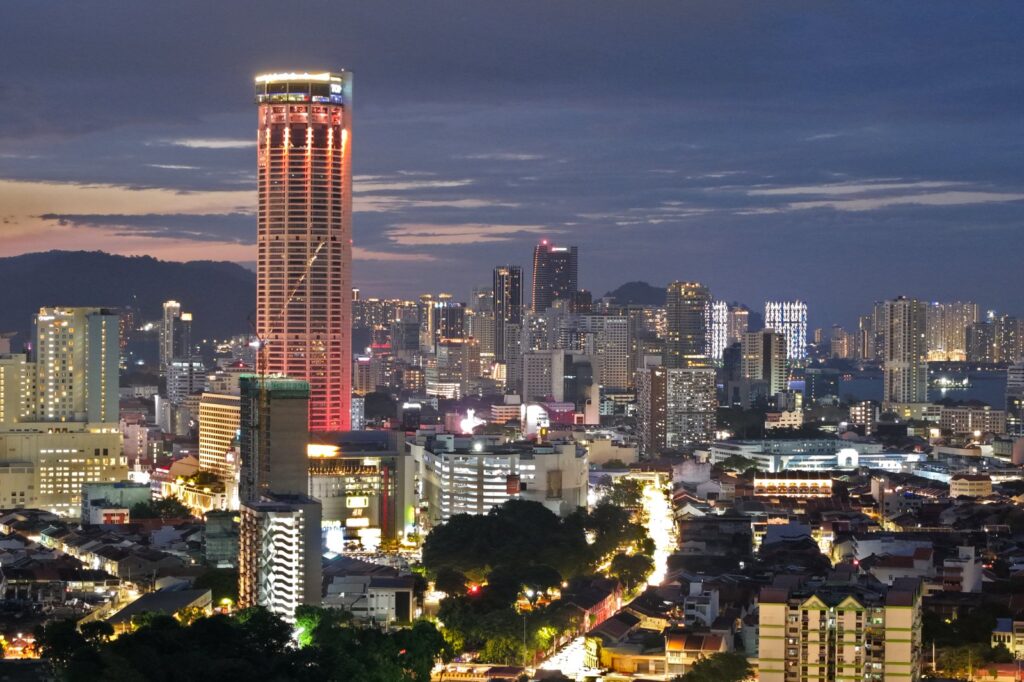
Penang is the only state in Malaysia or South-east Asia to make National Geographic’s “The Best Places in the World to Travel to in 2027.” The list, which names 25 destinations and travel experiences, was unveiled on Wednesday, State Tourism and Creative Economy Committee chairman Wong Hon Wai said in a statement, as Bernama reported.
Why Penang made the list
“Penang is proud to be among the destinations featured in this prestigious annual list,” Wong said, calling the selection the result of a robust nominating, researching and reporting process by National Geographic’s travel experts and Nat Geo Traveler’s international editorial teams. The magazine singled out the state’s distinctive character, shaped by the relationship between Penang Island and mainland Seberang Perai: George Town’s Unesco-protected historic streets, rainforest-fringed beaches, traditional villages and winding mangrove-lined rivers.
It is not Penang’s first mention. National Geographic’s 2025 coverage of the best islands in South-east Asia for food cited its culinary heritage. Other 2027 picks include Vestland in Norway, Luxor in Egypt, Niigata in Japan, Chengdu in China, Jaipur in India and Melbourne in Australia. Catalina Island in California won the Readers’ Choice slot.
Two halves, one state
Think of Penang as a pair of neighbours who share a bridge, or two. The Strait of Malacca splits the state into Penang Island, home to the capital George Town, and Seberang Perai on the mainland. The Penang Bridge and the Second Penang Bridge connect them. The state sits on the northwest coast of Peninsular Malaysia, bordered by Kedah to the north and east and Perak to the south.
It is small and crowded. With 1.74 million residents and 1,659 people per square kilometre as of 2020, Penang is Malaysia’s most densely populated state. Its people include Chinese, Malays, Indians, Eurasians, Siamese and expatriates. The name comes from Pulau Pinang, “areca nut island,” and the state is also nicknamed the “Pearl of the Orient.”
Francis Light of the British East India Company founded the Port of Penang as a free port in 1786, alongside George Town. It later joined the Straits Settlements with Malacca and Singapore, was occupied by Japan in World War II, and was returned to British control in 1945 before merging into the Federation of Malaya, which became independent in 1957.
From trade to electronics
The economy moved from entrepôt trade to electronics manufacturing and services in the late 20th century. Today Penang has the second highest GDP per capita of any Malaysian state and ranks fifth in average wages. It is the country’s leading exporter, with nearly RM495 billion (US$119.57 billion) in exports in 2024, mostly through Penang International Airport, the second busiest in Malaysia by aircraft movements.
What visitors will find
In George Town, murals line Armenian Street and Love Lane, and the heritage architecture runs from clan jetties, villages on stilts over the sea, to the seafoam-green, antique-filled Pinang Peranakan Mansion. Malaysia’s grandest Buddhist temple has hillside gardens, a bronze statue of the Goddess of Mercy and a seven-tier pagoda that can be climbed on foot or by elevator, while the Liberation Tortoise Pond houses hundreds of rescued turtles.
New for 2027, the Penang Hill Cable Car will carry visitors from the Penang Botanic Gardens to the top of the hill in under 10 minutes, and Penang River Cruise will add more eco-guided trips through mangrove habitat.
December to February has the warmest, most agreeable weather, along with bigger crowds and higher prices. March to May and September to November are quieter, though October is typically the wettest month. Festivals such as Chinese New Year in February and Diwali in October or November also push up crowds and prices.
Sources
- Penang is South-east Asia’s only pick on Nat Geo’s 2027 must-visit list
- Penang
- How to Eat Your Way Through Penang, Malaysia's Island of Hawker Stalls and Street Art
Photo: HundenvonPenang (CC BY-SA 4.0)