
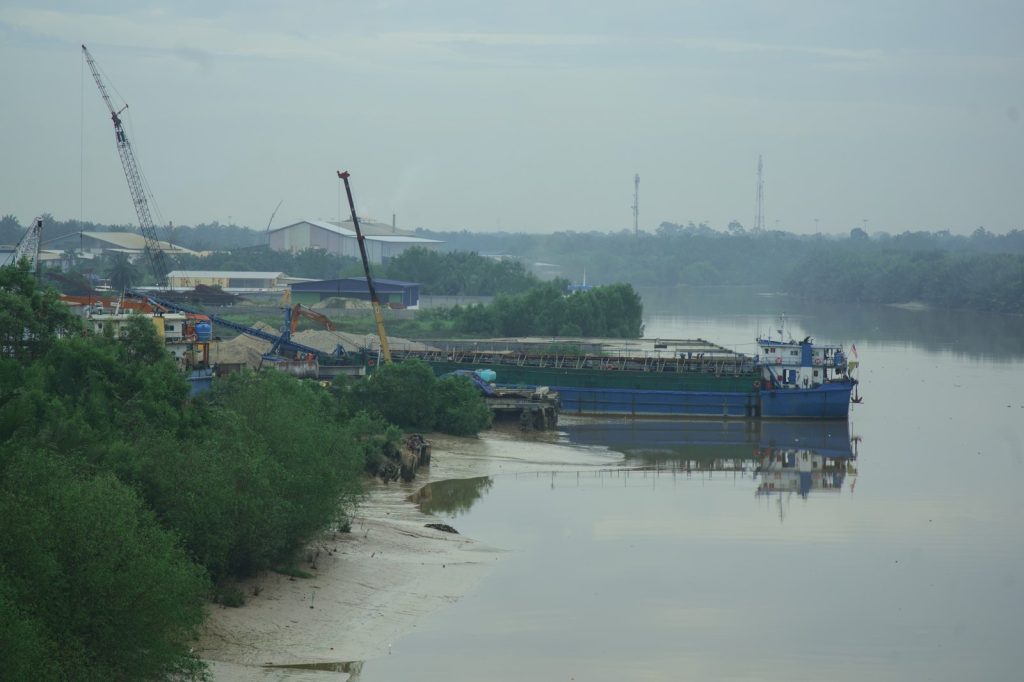
SINGAPORE, August 5 — The global market for sand, a commodity often overlooked, notably finds its epicentre in Asia, where rapid urbanization and substantial infrastructure development continue to drive unprecedented demand. This concentrated demand, it would seem, defines the current landscape of a market heavily influenced by specific regional dynamics. Countries such as China, India, and various nations across Southeast Asia, including Vietnam and Indonesia, are at the forefront of this consumption.
Their substantial construction projects, ranging from entirely new cities to extensive high-speed rail networks, road systems, and power plants, underpin the immense requirements for building materials.
Demand Drivers in Asia
China, for instance, has presented figures suggesting its concrete consumption in the last decade alone surpassed that of the United States across the entire 20th century, a statistic that, it would seem, underscores the scale of material required. This directly translates into an immense demand for sand and gravel, the fundamental components of concrete. India’s construction sector is similarly poised for significant growth, projected to be one of the fastest globally, a trajectory that will only intensify pressure on its domestic sand resources.
The primary industrial consumers in this demand chain are major construction companies, extensive real estate developers, and infrastructure firms. These entities indirectly fuel the need for sand, as their projects necessitate vast quantities of building aggregates.
For all the noise surrounding legitimate construction, the salient point remains that not all this demand is met through regulated channels.
The Shadow Economy of Sand
The lucrative nature of sand has led to a proliferation of illegal sand mining operations across many of these rapidly developing regions. These illicit networks frequently involve organized crime and local power brokers, operating outside established legal frameworks. The consequences of such activities are manifold, contributing notably to environmental degradation and undermining the integrity of state governance.
The global trade in sand is less extensive than local extraction, a characteristic attributed to its high volume and relatively low value per ton. This economic reality makes local availability a critical factor in construction projects.
However, some regions, such as Singapore, have become major importers, relying on sand from neighbouring countries to fuel their ongoing land reclamation and substantial construction endeavours. Looking ahead, the continued concentrated demand in these rapidly developing economies, coupled with persistent challenges in governance and the prevalence of illegal mining, will undoubtedly remain central to the dynamics of the global sand market.
{“@context”: “https://schema.org”, “@type”: “NewsArticle”, “headline”: “Asia’s Urbanization Drive and the Global Sand Market: Key Regions”, “description”: “SINGAPORE, August 5 — The global market for sand, a commodity often overlooked, notably finds its epicentre in Asia, where rapid urbanization and substantial infrastructure…”, “datePublished”: “2026-08-05T09:30:00+00:00”, “author”: {“@type”: “Person”, “name”: “Ethan Smith”}, “publisher”: {“@type”: “Organization”, “name”: “InfoPulse Today”, “url”: “https://newsfeed.infopulsetoday.com/”}}




