
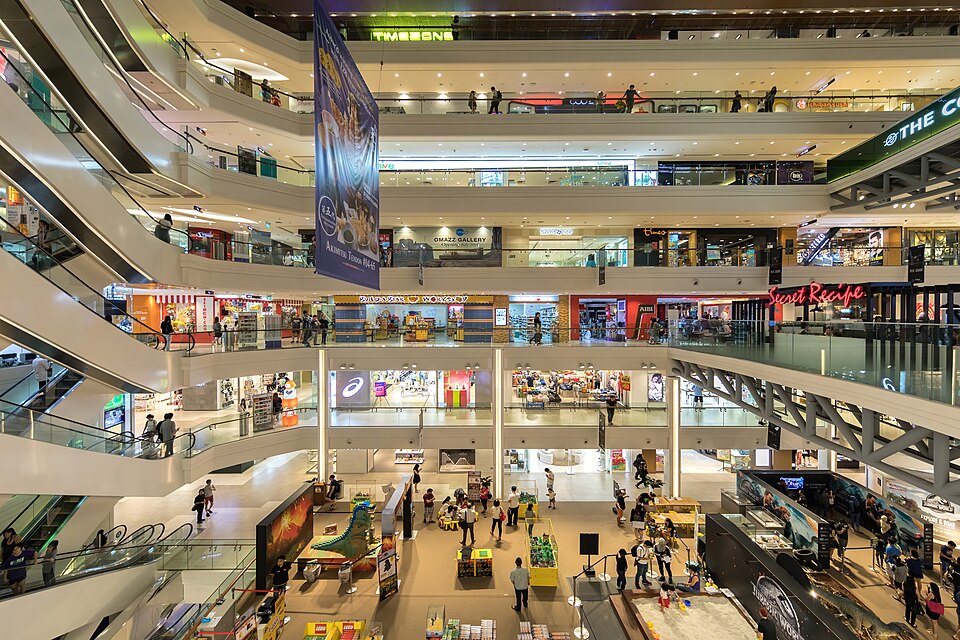
SINGAPORE, July 28 — The story begins not with a grand opening but with a quiet renovation. Across Singapore’s suburban heartland, malls are being stripped back, rebuilt, and reimagined—all to keep the residents who live above them from drifting to newer, shinier alternatives. Frasers Centrepoint Trust, which manages a portfolio of nine heartland malls valued at $8.4 billion, is at the centre of this transformation.
The company reported an occupancy rate of 99.6% for the April-to-June quarter, and shopper traffic ticked higher compared with the same three-month stretch in 2025. Those numbers, however, come against a backdrop of constraints: limited retail space in Singapore’s mature housing estates is pushing up rents, even as tenant sales growth shows signs of slowing.
For those involved—mall operators, shopkeepers, and the families who treat the atrium as an extension of their living room—this is the delicate arithmetic of suburban retail. The revamps of Hougang Mall and NEX are on track, according to FCT. Neither mall has closed; instead, sections are being refreshed in phases, with new tenant mixes that aim to draw repeat visits from the surrounding HDB blocks.
What unfolded, in essence, is a bet that residents will keep coming back—not just for groceries and bubble tea, but for experiences and services that tie them to the neighbourhood.
A New Bet at Bayshore
Then there is the plan for a new mall entirely. FCT announced a $613 million development at Bayshore Drive, a site on Singapore’s east coast that is part of a broader Housing Board redevelopment. The new mall represents a bet that even as retail space tightens and rents rise, the demand from suburban shoppers remains robust enough to justify a brand-new concrete-and-glass anchor.
For the residents who will one day live in the Bayshore precinct, this mall is meant to be more than a place to shop—it is a piece of the neighbourhood’s future identity. At its heart, what is happening in Singapore’s heartland malls is a quiet war against entropy.
Malls that opened twenty or thirty years ago are now competing with newer, better-airconditioned rivals just one or two MRT stops away. Renovations, re-leasing, and a careful curation of tenants are the tools. FCT’s 99.6% occupancy suggests the strategy is working, at least for now.
Looking Forward
The bigger question, for those involved, is how long suburban shoppers will keep spending at local malls when e-commerce, rising costs, and shifting habits pull them in other directions. For now, the answer from Singapore’s heartland seems to be: keep the renovations coming, keep the mix fresh, and keep the lights on. The next chapter will be written at Bayshore, where the ground has not yet been broken but the vision is already in the plans.
Sources
{“@context”: “https://schema.org”, “@type”: “NewsArticle”, “headline”: “Heartland Mall Revamps: Singapore’s Suburban Retail Hubs Reinvent Themselves”, “description”: “SINGAPORE, July 28 — The story begins not with a grand opening but with a quiet renovation. Across Singapore’s suburban heartland, malls are being stripped…”, “datePublished”: “2026-07-28T09:30:00+00:00”, “author”: {“@type”: “Person”, “name”: “Sophie King”}, “publisher”: {“@type”: “Organization”, “name”: “InfoPulse Today”, “url”: “https://newsfeed.2bme.xyz/”}, “citation”: [{“@type”: “CreativeWork”, “url”: “https://en.wikipedia.org/wiki/Shopping_mall”}]}




