
MUMBAI, July 26 — A fresh hygiene scare in Maharashtra’s hill-station belt has put the spotlight back on the state’s tourism machinery, just as the peak domestic travel season picks up. Reports of rat droppings discovered in poha — a staple breakfast item for many tourists — have spread through local news and social media, threatening to dent visitor confidence in one of India’s most-visited hill stations.
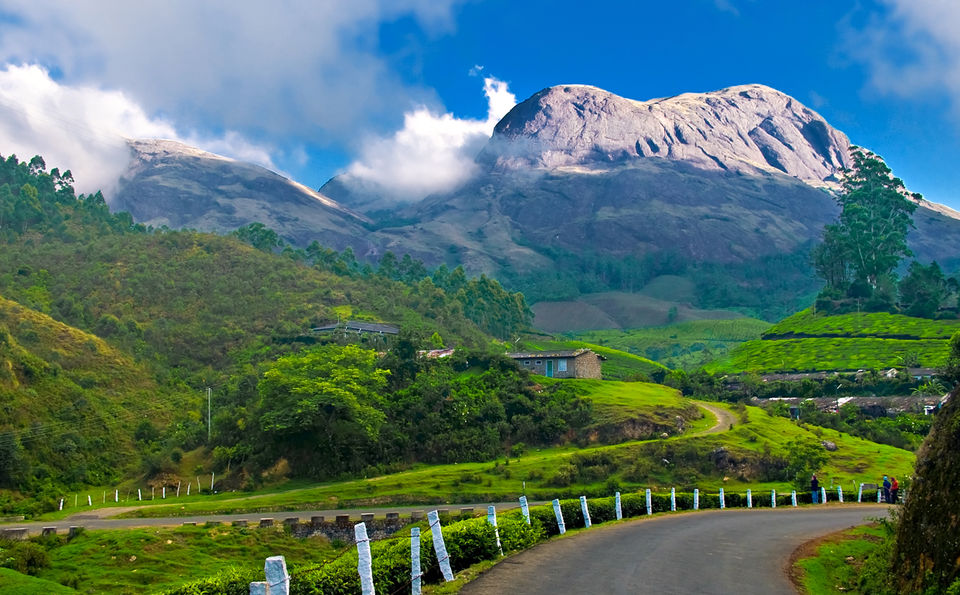
Mahabaleshwar, perched at an altitude of 1,372 metres in the Western Ghats, draws more than 1 million tourists annually, according to Maharashtra Tourism Development Corporation estimates. It is a domestic destination through and through: families, honeymooners and weekenders flock here for the strawberry stalls, viewpoints and cool air.
The population is about 50,000, and the local economy runs on restaurants, hotels and fruit vendors. A single hygiene incident, amplified online, can hit that economy hard. “Incident reports like the rat droppings in poha can deter visitors and affect local businesses,” the source material notes — a line that captures the fragility of a tourism-dependent town.
No official statement on this specific case has been released by the municipality or the state tourism department as of today.
Stakes beyond a hill station
Maharashtra’s tourism sector is far larger than one hill station
Mahabaleshwar is one of several hill stations in the Western Ghats that have long served as popular getaways for residents of Mumbai and Pune, two of India’s largest cities. The region’s tourism sector contributes significantly to the state economy, with domestic travel forming the backbone of Maharashtra’s hospitality industry. In recent years, state authorities have promoted initiatives such as improved waste management and food-safety inspections to maintain the appeal of these destinations, though enforcement often varies by locality.
The incident also reflects a broader challenge facing Indian tourism destinations: the rapid spread of consumer complaints through digital platforms can quickly shape public perception, even when the underlying problem is isolated. For towns like Mahabaleshwar, where small family-run eateries and roadside vendors account for a large share of the tourism trade, a single negative report can ripple through the entire local supply chain, affecting farmers, transporters, and hoteliers alike.
Maharashtra’s tourism sector is far larger than one hill station. The state ranks among India’s top domestic travel destinations, drawing tens of millions of visitors each year to its coastal beaches, religious sites, wildlife sanctuaries, and hill stations. A sustained erosion of confidence in any prominent spot can have knock‑on effects on neighboring tourist circuits and on the state’s broader efforts to attract repeat visitors.




