
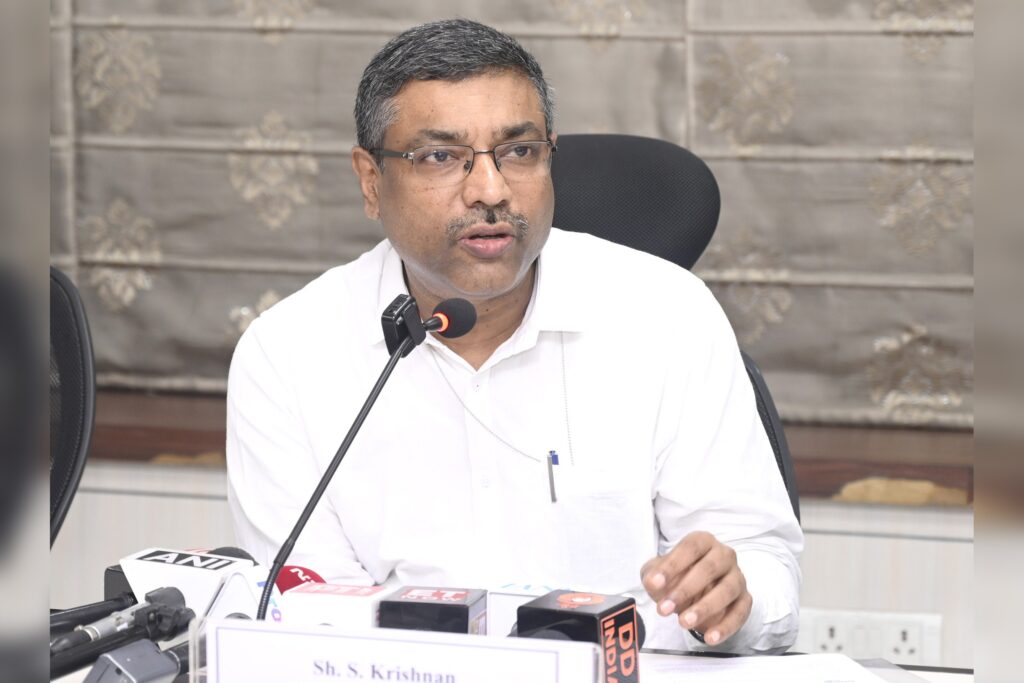
For India, the June 25 meeting in Washington was not just another diplomatic touchpoint. It was a signal that the country’s long-shot bid to become a semiconductor hub is being taken seriously by the world’s largest economy. The talks between India’s MeitY Secretary S.
Krishnan and US Under Secretary of State Jacob S. Helberg zeroed in on three areas: semiconductor manufacturing, artificial intelligence, and critical minerals.
Those three words — “critical minerals” — carry weight. They are the raw materials that power everything from smartphones to fighter jets to electric vehicle batteries. And right now, global supply for many of them runs through China.
The Embassy of India in Washington posted the news on X. The phrase that jumped out was “building diversified and trusted supply chains.” That is diplomatic language for a blunt reality: both countries want to reduce their dependence on a single source for components and materials that are now central to national security and economic growth.
For India, the stakes are concrete. The country is pouring resources into semiconductor fabrication plants and design centers. It wants to be the place where chips are made — not just assembled.
But that ambition requires access to rare earth elements and other critical minerals. It requires technology transfers. And it requires a partner willing to share know-how.
The United States appears to be that partner. The meeting was a fresh channel for technology cooperation, not a one-off.
Analysts tracking the relationship say this is part of a broader push to build resilience into supply chains that have become a flashpoint in strategic competition between Washington and Beijing. What happens next matters. The discussions were about “measures to secure access to critical minerals.” That suggests concrete steps — perhaps joint investment in mining projects, perhaps agreements on processing and refining.
India has mineral reserves, but it lacks the processing capacity. The US has the technology and the capital.
A deal could change the map of global supply chains for lithium, cobalt, and rare earths. Semiconductor manufacturing was also named as a priority area. India is racing to establish itself as a credible alternative in global chip supply chains.
That is a huge task. It requires billions of dollars, a skilled workforce, and reliable infrastructure. The meeting suggests the US is willing to deepen engagement beyond the usual diplomatic exchanges — and that means American companies may play a bigger role in India’s chip ambitions.
Artificial intelligence rounds out the trio. AI adoption was on the agenda.
For India, this is about more than software. It is about building the computing infrastructure and data ecosystems that underpin AI. The US has the leading AI companies.
India has the data and the talent pool. Cooperation could accelerate both sides’ goals.
The timing is not accidental. Advanced manufacturing and clean energy technologies depend on critical minerals. Defense industries depend on secure semiconductor supply.
Both countries are looking for alternatives to current dependencies. This meeting was a step toward building those alternatives. The language from the Embassy’s post was careful: “building diversified and trusted supply chains.” Trust is the operative word.
In an era of technology competition and trade restrictions, trust is the currency that matters. The question now is whether the talks translate into investment, policy changes, and real projects.
The meeting opened the door. What walks through it will determine whether this is a genuine shift or just another diplomatic statement.
{“@context”: “https://schema.org”, “@type”: “NewsArticle”, “headline”: “India’s semiconductor ambitions gain credibility after US talks on critical minerals”, “description”: “For India, the June 25 meeting in Washington was not just another diplomatic touchpoint. It was a signal that the country’s long-shot bid to become…”, “datePublished”: “2026-06-25T05:19:07+00:00T09:30:00+00:00”, “author”: {“@type”: “Person”, “name”: “Sophie King”}, “publisher”: {“@type”: “Organization”, “name”: “InfoPulse Today”, “url”: “https://newsfeed.infopulsetoday.com/”}}




