
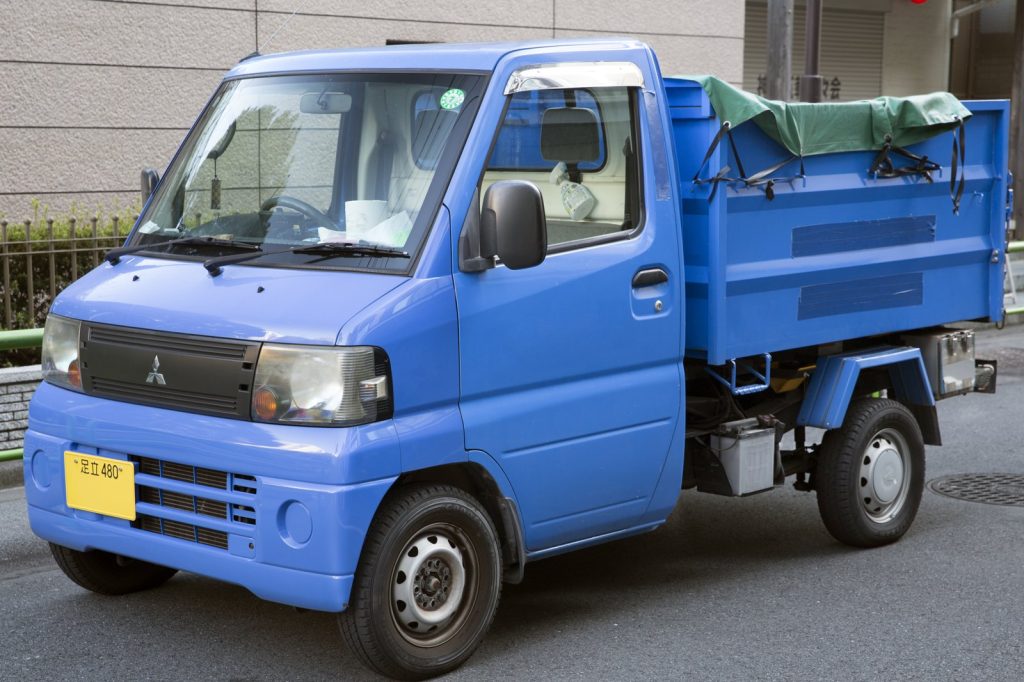
A mini dump truck carrying at least 25 municipal employees overturned on June 27, 2025, in Silay, Negros Occidental, killing seven and wounding 18 others. The government-owned vehicle was transporting personnel returning from an environmental project when the accident occurred.
The victims were city government staff members who had just completed activities related to waste management or conservation efforts. They were heading home when the truck overturned under circumstances that remain under investigation.
Mini dump trucks are designed to haul materials such as dirt, gravel, and demolition waste, not passengers. The open-box bed that makes these vehicles useful for construction and cleanup work provides no safety features for human transport. There are no seatbelts, roll cages, or other protective measures in the event of a rollover.
Silay, a city with approximately 130,000 residents, now faces the loss of seven municipal employees in a single incident. Each victim held a role in city services, and their absence will affect permits, sanitation, and other daily government operations. The 18 injured workers face extended recovery periods.
The city government will conduct an investigation, which is standard procedure following such incidents. Investigators will examine possible causes including mechanical failure, driver error, overloading, and road conditions. However, the broader pattern revealed by this accident extends beyond the immediate cause.
Dump trucks are commonly used in infrastructure and environmental projects throughout the developing world. They are inexpensive, durable, and versatile, but they become dangerous when misused for passenger transport. This incident was not a random highway collision but a workplace accident involving on-duty personnel on a government mission.
Philippine labor law provides compensation for workplace deaths, but financial restitution does not replace the loss of family breadwinners or experienced government workers. The implications reach beyond Silay, as municipal governments across the Philippines use similar vehicles for comparable work. Environmental cleanups, tree-planting events, and waste-collection drives all involve transportation risks that are frequently underestimated.
The Department of the Interior and Local Government may issue new guidelines, and the Department of Environment and Natural Resources may review its transport protocols. However, administrative measures alone do not prevent rollovers. Engineering solutions and proper vehicle selection are necessary to address the root cause.
If the investigation concludes that mini dump trucks were never designed to carry people, the logical response would be to use dedicated personnel carriers for environmental work. Such a change would require funding, procurement processes, and time to implement.
Meanwhile, the families of the seven deceased workers prepare funerals, the 18 injured plan their rehabilitation, and Silay city officials plan their investigation. The cycle of tragedy and response continues, awaiting the next accident that will prompt the same unanswered questions.




