
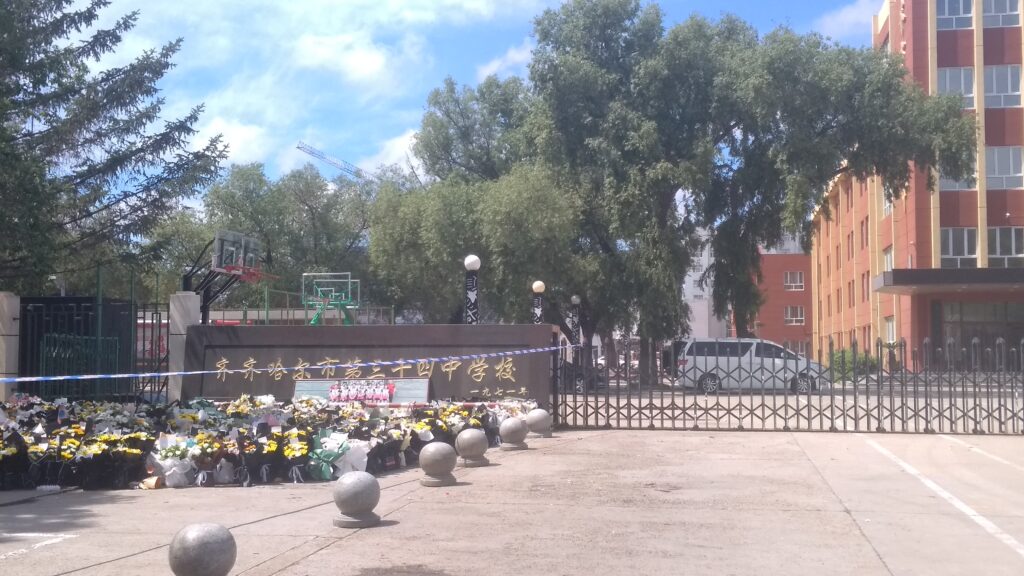
On July 23, the concrete and steel roof of a school in Qiqihar gave way, resulting in the deaths of eleven people and injuries to three others. The structure, intended to provide a safe environment for education, instead became the site of a tragic failure. Qiqihar, the second‑largest city in China’s Heilongjiang province, is a prefecture‑level municipality with an estimated population of four million.
Its central districts—Longsha, Tiefeng and Jianhua—contain close to one million residents. The city is known for its cultural diversity, hosting Han Chinese alongside Manchu, Daur and Mongol communities, and it lies adjacent to the expansive Zhalong Nature Reserve, a notable wetland area.
The collapse has shifted public attention to three key aspects of the building: its design, the quality of construction, and ongoing maintenance. Authorities are expected to scrutinise every structural element, review the permits issued for the project, and identify the parties responsible for its erection and inspection. Beyond the immediate loss of life, the incident raises broader concerns about the structural soundness of other buildings in the region.
If a school roof can fail, questions arise regarding the safety of additional public and private structures. The investigation will likely examine the materials used in the roof, the load it was bearing at the time of collapse, and whether any design flaws, construction errors, or maintenance lapses contributed to the disaster.
China’s rapid urban expansion has, at times, outstripped the enforcement of building codes, leading to shortcuts in construction to meet the demands of a growing population. Qiqihar’s own development has placed pressure on its infrastructure, and this event may prompt a reassessment of regulatory oversight. Potential outcomes of the inquiry include the introduction of stricter building regulations, more rigorous inspection regimes, and the retrofitting of existing structures deemed vulnerable.
Such measures aim to prevent future incidents of a similar nature. In the aftermath, families of the eleven victims are grieving, while the three injured individuals receive medical care.
The city’s residents, many of whom rely on the school system for their children’s education, are beginning to process the tragedy. Local officials have already mobilised the political and bureaucratic apparatus to respond to the disaster, a routine step following such events. The speed and transparency of this response will be closely watched by the community, which seeks assurance that lessons will be learned and that similar failures will be avoided.
Qiqihar’s rich cultural heritage, its proximity to vital wetlands, and its diverse population form the backdrop to this story of structural failure. The city is more than a statistical entry; it is a living hub where people work, reside, and send their children to school.
The roof collapse on July 23 starkly highlighted a breach of that safety. As the investigation proceeds, its findings will determine accountability and shape future policy. The people of Qiqihar, alongside observers nationwide, will be monitoring the process to see whether the system can adapt and safeguard against future tragedies.




