
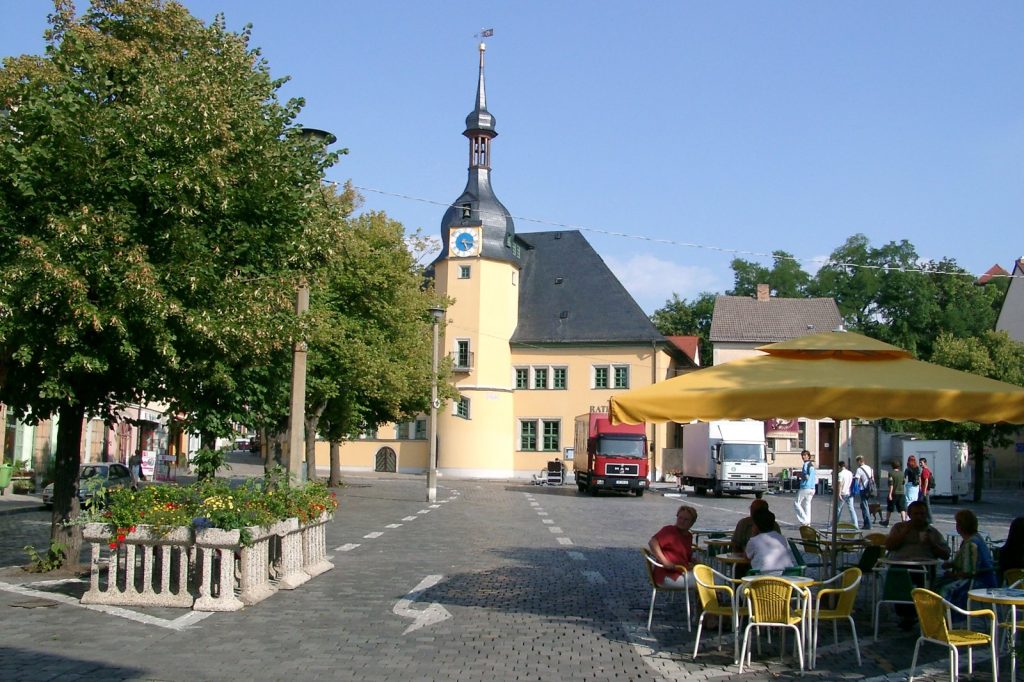
On 4 June 2023 a blaze erupted at a refugee accommodation in the town of Apolda, located in Thuringia, Germany. The fire claimed the life of one resident and left ten others with injuries, according to local reports. Emergency services responded quickly, but the flames spread through the building, causing extensive damage and displacing the occupants. The centre was housing a number of asylum seekers at the time of the incident.
While the exact cause of the fire has not yet been established, authorities have opened an investigation to determine the circumstances that led to the outbreak. Officials have not released further details about the progress of the inquiry.
Refugees, as defined by the United Nations High Commissioner for Refugees (UNHCR), are individuals who cannot return to their country of origin because of a well‑founded fear of persecution, armed conflict or widespread violence. The Apolda incident highlights the precarious living conditions that many displaced persons endure while seeking safety away from their homelands. Beyond the immediate tragedy, the fire has drawn attention to broader issues affecting refugee shelters, particularly the need for reliable and safe energy supplies.
The UNHCR and other humanitarian bodies have repeatedly stressed that secure access to basic services—such as electricity, clean water, sanitation and healthcare—is essential for protecting the rights and dignity of displaced populations. Renewable energy options, including solar and wind power, are frequently cited as viable alternatives to conventional fossil‑fuel systems in refugee settings.
Proponents argue that clean energy can lower operating costs, reduce the likelihood of accidents linked to outdated infrastructure, and contribute to overall energy security for host communities. Investing in such sustainable solutions is presented as a means to improve living standards for refugees while also addressing environmental concerns. By shifting to renewable sources, governments and aid organisations can help ensure a stable power supply for shelters, lessen the environmental footprint of temporary settlements, and support broader development goals.
The international community bears responsibility for safeguarding the welfare of refugees. This includes not only providing immediate humanitarian assistance but also working toward long‑term strategies that address the root causes of displacement.
The UNHCR has called on national authorities and partner organisations to collaborate on measures that enhance safety standards in refugee facilities, expand access to education and health services, and promote social and economic inclusion for newcomers. In the wake of the Apolda fire, officials have reiterated the urgency of reviewing safety protocols in accommodation centres. Recommendations emerging from the investigation are expected to focus on improving fire prevention measures, upgrading electrical installations, and ensuring that emergency response plans are robust and regularly practiced.
While the investigation continues, the incident serves as a stark reminder of the vulnerabilities faced by people forced to flee conflict or persecution. It underscores the importance of creating secure, dignified living environments for refugees—environments that are equipped with reliable, clean energy and meet basic humanitarian standards.
As discussions on refugee protection and sustainable development progress, the Apolda tragedy may act as a catalyst for policy reforms aimed at preventing similar incidents. By prioritising safety, investing in renewable energy and strengthening international cooperation, host nations can better protect displaced populations and foster a more resilient, inclusive future.




