
Indonesia posted its strongest annual economic growth in 17 years during the second quarter of 2021, though the milestone is overshadowed by a fresh surge in coronavirus infections that threatens to reverse the gains. Statistics Indonesia reported on August 5 that gross domestic product expanded 7.07% in the April-to-June period compared to the same quarter last year, surpassing analyst expectations of 6.57%.
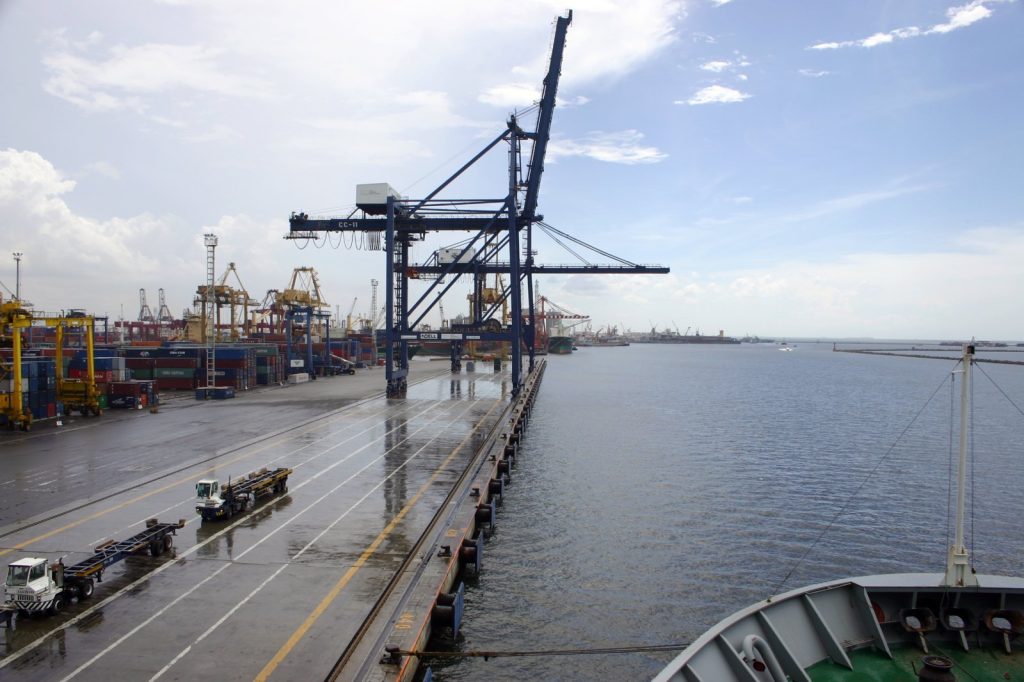
On a sequential basis, the economy grew 3.31%, also beating forecasts. The data marked the first quarterly expansion since the country entered recession in the third quarter of 2020, ending a string of contractions. The rebound was fueled primarily by exports, which surged 56% year-on-year.
Government spending also supported consumption and investment during the period. The statistics bureau revised the January-March quarter to a 0.92% contraction, confirming the recovery was genuine.
However, officials cautioned that the headline figure was inflated by a low base effect. The second quarter of 2020 was particularly weak as the pandemic first ravaged the economy. Indonesia’s full-year GDP contracted 2.1% in 2020, the first annual decline since the 1998 Asian financial crisis.
The recovery now faces serious headwinds. A new wave of COVID-19 infections swept the country in July.
On August 4, Indonesia reported more than 100,000 COVID-19 deaths in a single day. Total confirmed cases have reached 3.53 million, though health experts believe the actual infection numbers are substantially higher. The government responded by imposing strict mobility restrictions on Java and Bali, the nation’s economic core.
These measures took effect in July, immediately after the second-quarter data collection period ended, a timing that economists say will severely impact third-quarter performance. The restrictions are hitting sectors that had just begun to recover, including restaurants, retail, tourism, and manufacturing.
Consumer confidence, which had been slowly rebuilding, remains fragile. The combination of rising cases and renewed lockdowns could stifle the consumption and investment that drove the second-quarter rebound. The low base effect that boosted second-quarter numbers will also diminish. The third quarter of 2020, while still weak, was not as catastrophic as the second quarter of 2020.
This means even a modest slowdown in activity could produce disappointing year-on-year figures for the current quarter. The export boom that powered the recovery may also lose momentum.
Global commodity prices remain elevated but have shown signs of volatility. Mobility restrictions in Java and Bali could disrupt supply chains and port operations, slowing goods shipments. Government spending remains an uncertain factor.
The fiscal support that helped lift second-quarter numbers may need to continue or increase to cushion the latest wave’s impact, but Indonesia’s fiscal space is limited after a year of heavy pandemic spending. The critical question now is whether the July restrictions can contain the virus quickly enough to allow the economy to reopen.
If not, the recession Indonesia just escaped could return sooner than anticipated.




