
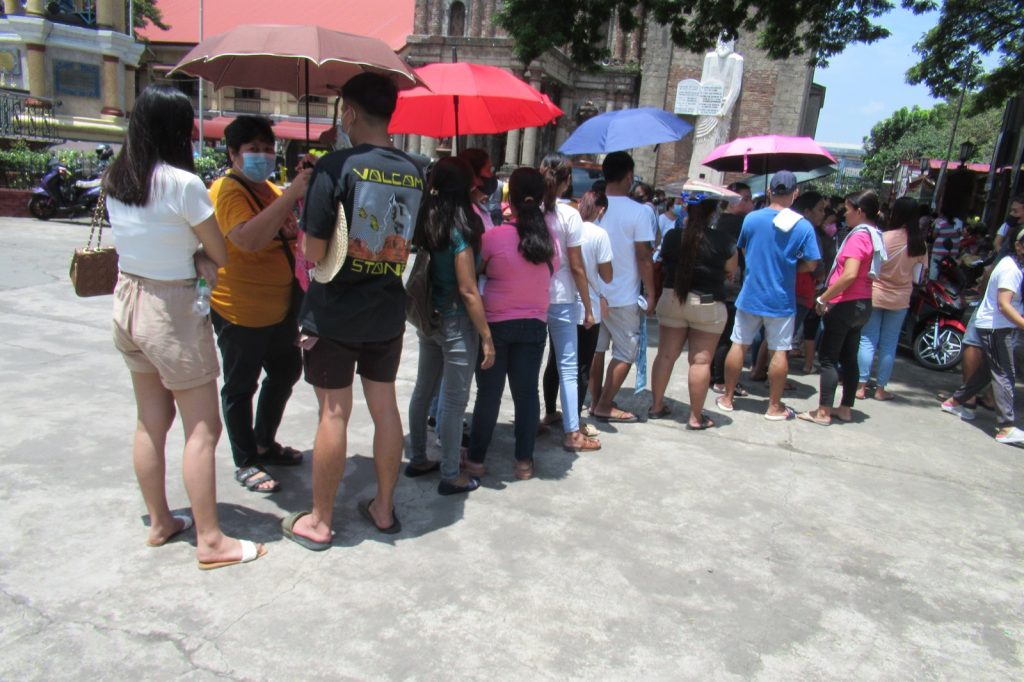
On 16 March 2020, President Rodrigo Duterte imposed a lockdown on Luzon, an island home to 60 million people. The decision came after COVID-19 cases rose from 64 to 142 in four days. The order took effect just eight hours after it was announced. That short window created a cascade of challenges for workers across the region.
Mary Grace Rabulan, a 29-year-old back-office clerk for an insurance firm in Tarlac, woke at 4 a.m. to reach her office before the ban took hold. With no public buses, jeepneys, or tricycles running, she asked an uncle to drive her 25 kilometers. When she arrived, 95 percent of her colleagues were preparing to work from home. Rabulan stayed. Her team handles death claims, a task that cannot pause even during a pandemic.
The quarantine halted all domestic flights, ferries, buses, jeepneys, and tricycles at midnight. Schools and non-essential businesses closed. Only workers in food, health, banking, and business-process outsourcing were told to continue reporting. Business-process outsourcing, which includes call centers and data processing, is a key part of the Philippine economy. The government chose to keep this sector running.
Andrew Muhfield works at a call center in Clark Freeport and lives in Angeles City, 20 kilometers away. Normally, he takes two jeepneys each way. On Monday morning, roads were empty except for army trucks. One motorcycle driver offered him a ride for 500 pesos, ten times the usual fare and half a day’s pay. Muhfield asked his employer for temporary shelter. Now 200 employees sleep on rubber mats in training rooms. The company provided what the government could not in eight hours: a place to stay.
Police set up 238 checkpoints across Central Luzon. These checkpoints highlight a larger problem. Elisha Rosal, a quality-control inspector for an electronics exporter, left her Bulacan home at 5 a.m. on 17 March. She believed private company shuttles were exempt. At the Bulacan-Pampanga border, officers stopped her. The rules were unclear and remain so.
The lockdown exposes the fault lines of a country where most people live day to day. Luzon holds 60 million people. When transport stops, the informal economy stops. When the informal economy stops, people cannot eat. The government announced the quarantine eight hours before it began. That is not planning; it is panic.
What comes next is unclear. The quarantine aims to slow the virus. But a quarantine that strands workers, empties shelves, and forces 200 people onto rubber mats in training rooms is not sustainable. The forces behind it are simple: a government that waited until cases doubled in four days, then acted without a real transition. The result is a lockdown that protects some and traps others. Mary Grace Rabulan will keep processing death claims. Andrew Muhfield will sleep on a mat. Elisha Rosal will wonder if the shuttle is exempt. The quarantine is real. The chaos is real. The arithmetic is unforgiving.




