
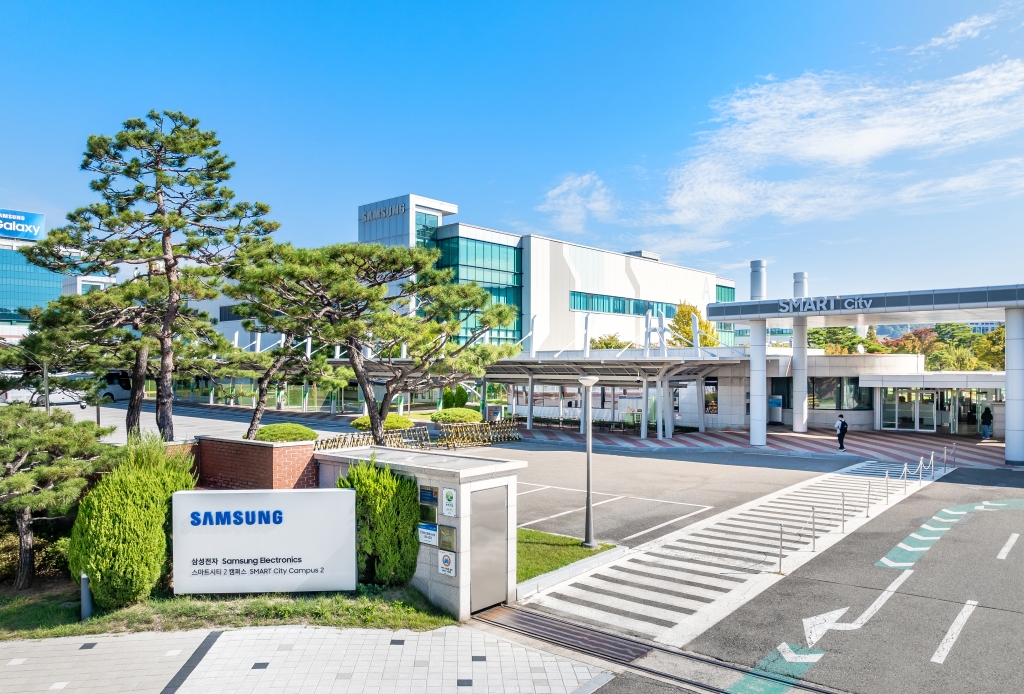
On March 2, 2020, Samsung Electronics and LG Innotek each announced the temporary suspension of operations at manufacturing sites in Gumi, a city in South Korea’s North Gyeongsang Province. The decision followed the confirmation that employees at both plants had tested positive for the novel coronavirus. Samsung’s Gumi facility, which assembles the Galaxy Z Flip and Galaxy S20 premium smartphones, halted production after a single worker was diagnosed with COVID‑19.
The company said the plant would remain closed until the evening of March 1, after which the specific work floor where the infected employee had been stationed would be disinfected and reopened on Tuesday, March 3. Samsung emphasized that “all necessary measures, including disinfection,” were being taken to protect staff and maintain its supply chain, though it did not disclose the number of workers affected or the anticipated impact on output.
LG Innotek, a supplier of camera modules for Apple’s iPhones, also closed one of its five Gumi factories on March 2 for cleaning and disinfection. The firm did not identify which of its plants was involved, and it provided no details on the size of the workforce or the expected production loss. Apple’s “Patently Apple” blog noted that the company could not determine whether iPhone camera‑module production would be “meaningfully impacted” because LG Innotek had not clarified the specific facility affected.
The closures occurred against the backdrop of a rapidly expanding coronavirus outbreak in South Korea, centered around Daegu and the surrounding North Gyeongsang region. As of March 2, the nation had recorded 3,736 confirmed cases and 17 deaths, making it the largest outbreak outside China at that time.
President Moon Jae‑in described the government’s response as an “all‑out” effort, deploying aggressive testing, contact tracing, quarantine measures, drive‑through testing sites, and even military medical personnel to contain the spread. Daegu’s hospitals faced bed shortages, prompting President Moon to urge citizens to adhere to social‑distancing guidelines. The government also pressed companies to implement strict hygiene protocols while attempting to keep essential manufacturing activities running.
The temporary shutdowns raised concerns about the stability of global electronics supply chains. Samsung’s Gumi plant is a critical node for its flagship devices, and any delay could affect the worldwide availability of the Galaxy S20 series, launched in February, and the newly released Galaxy Z Flip foldable phone.
Likewise, LG Innotek’s camera modules are integral to Apple’s iPhone assembly line, which had already experienced disruptions from earlier factory closures in China. Analysts warned that extended suspensions at either facility could lead to component shortages and postpone product launches. South Korea’s industrial complex in Gumi hosts numerous electronics and semiconductor manufacturers, meaning a broader outbreak there could have amplified repercussions for the global tech sector.
Both Samsung and LG Innotek stressed that their plant closures were temporary, focused on thorough disinfection, and that they would continuously monitor the situation to determine when full operations could resume. No definitive timelines for complete reopening were provided.
The incidents underscore the vulnerability of concentrated manufacturing hubs to infectious disease outbreaks and illustrate the trade‑off between public‑health protection and economic continuity. South Korea’s swift containment actions have since been cited as a model for other nations confronting similar challenges, highlighting the importance of rapid response in safeguarding both lives and supply‑chain resilience.




