
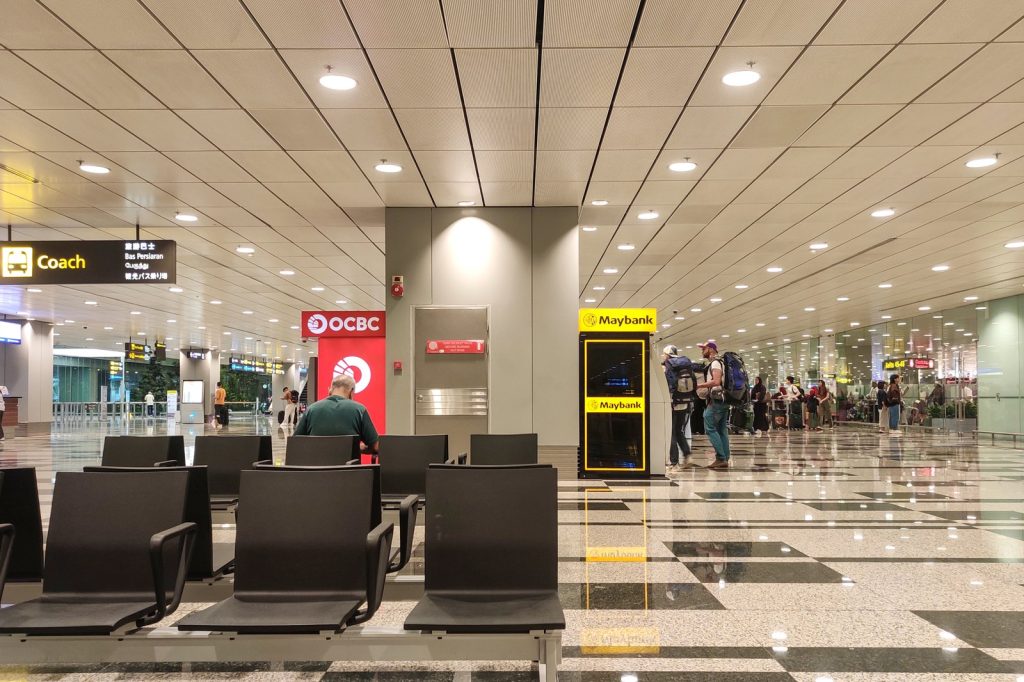
Singapore’s tourism industry took a direct hit Saturday when India added the city-state to its coronavirus travel ban list. The Indian government is now urging its citizens to cancel all non-essential travel to Singapore and other affected regions. For a country that depends on a steady flow of foreign visitors, the timing could not be worse.
India is not just another market for Singapore. Last year alone, more than 1.4 million Indian tourists visited the Southeast Asian hub.
That number includes business travelers, students, and families whose spending fills hotel rooms, restaurant tables, and retail counters across the island. Those visitors are now effectively barred from coming. The ban is part of India’s escalating response to the coronavirus outbreak, which began in China and has since spread to dozens of countries.
New Delhi has made a clear choice: public health comes before economic convenience. That decision, announced February 25, 2020, signals that containment measures will take priority over trade and travel ties, even with a key partner like Singapore.
The economic stakes are high. Singapore has built its modern economy around being a global business and financial center. That status relies on people moving freely across borders.
Indian business travelers are a major part of that equation. They attend conferences, close deals, and use Singapore as a regional base. Without them, the city’s hotels and convention centers face empty rooms and cancelled bookings.
Industry insiders warn the damage will not be limited to India. The ban sends a signal to other countries that travel restrictions are an acceptable tool.
If more nations follow India’s lead, Singapore could face a cascade of cancellations from multiple markets at once. The fallout would ripple through airlines, tour operators, and the thousands of small businesses that depend on tourist dollars. Diplomatic ties between India and Singapore are also at risk.
The two nations have built strong commercial and cultural links over decades. India is one of Singapore’s most important sources of visitors.
By targeting this specific corridor, New Delhi has made it clear that containment takes precedence over maintaining those ties. The strain could take months or years to repair. For Singapore, the immediate problem is simple.
The Indian tourist is gone. The 1.4 million arrivals from last year represent a significant chunk of the market. Replacing that volume quickly is not realistic.
Other source countries like China are already under their own restrictions. The result is a sudden vacuum in visitor numbers that will hit hotel occupancy rates and dining revenues hard.
Analysts see this as a strategic blow. India’s decision is not a temporary inconvenience. It is a deliberate move to prioritize public health over economic gain.
For a tourism-dependent economy like Singapore, that trade-off is painful. The ban threatens a major pillar of the country’s economy at a time when global travel is already under pressure from the spreading virus.
The coronavirus outbreak has forced governments worldwide to make hard choices. India has made its choice. Singapore now has to deal with the consequences.
The ban is in effect. The tourists are not coming. The economic fallout has already begun.
{“@context”: “https://schema.org”, “@type”: “NewsArticle”, “headline”: “India’s travel ban on Singapore deals blow to city-state’s tourism sector”, “description”: “Singaporeu2019s tourism industry took a direct hit Saturday when India added the city-state to its coronavirus travel ban list. The Indian government is now urging”, “datePublished”: “2020-02-25T15:00:00+00:00”, “author”: {“@type”: “Person”, “name”: “InfoPulse Today”}, “publisher”: {“@type”: “Organization”, “name”: “InfoPulse Today”}}




