
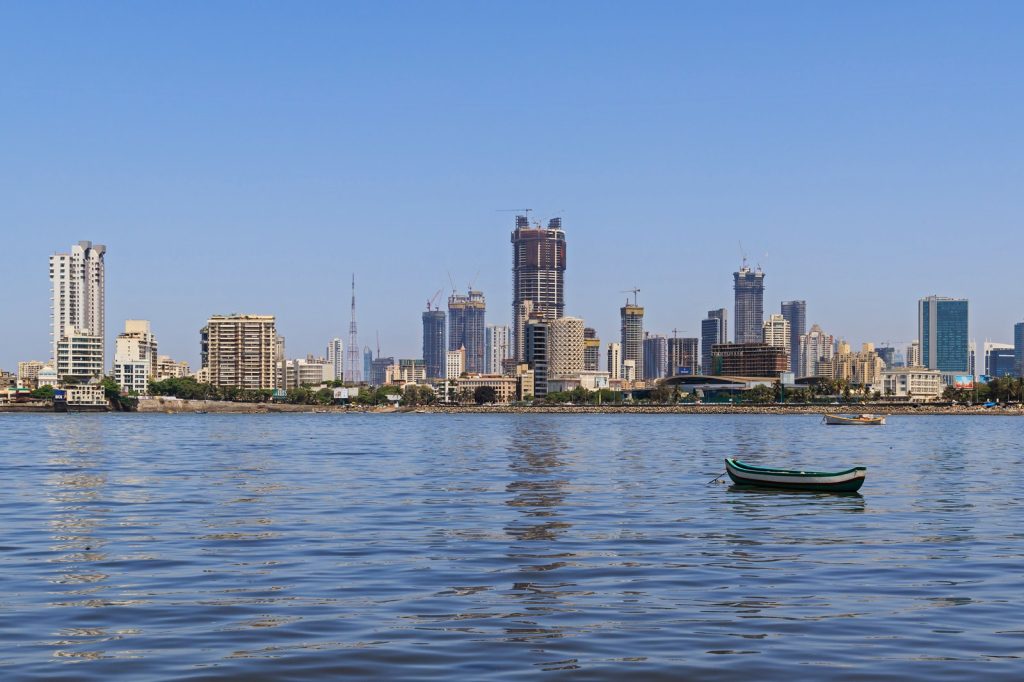
According to the U.S.-based research firm World Population Review, India’s nominal gross domestic product reached $2.94 trillion in 2019, propelling the nation to the fifth‑largest economy worldwide. The United Kingdom and France fell to sixth and seventh places with GDPs of $2.83 trillion and $2.71 trillion respectively, marking a structural shift rather than a temporary upswing.
The roots of this ascent lie in the 1991 balance‑of‑payments crisis, which forced New Delhi to abandon the restrictive licensing regime that had constrained private enterprise for four decades. Subsequent administrations liberalised key sectors—selling stakes in steel, telecommunications and energy firms, slashing import duties, and courting foreign automakers, retailers and banks. World Population Review noted that these reforms have kept annual growth above 6 % since 2003, even surviving the 2008 global downturn.
With a domestic market of 1.3 billion people, India now attracts the second‑largest flow of foreign direct investment among emerging economies, trailing only China, as reported by the U.S. Department of Commerce. Services dominate the economic mix, accounting for roughly 60 % of GDP, while the rural and industrial segments have expanded in tandem.
Software exports from hubs such as Bengaluru, Hyderabad and Mumbai total $137 billion annually, and agricultural output sustains the population while yielding $38.5 billion in rice, cotton and beef exports. Manufacturing, historically around 15 % of output, is gaining momentum under Prime Minister Narendra Modi’s 2014 “Make in India” initiative. High‑profile investors have joined the push: Foxconn assembles premium iPhones in Chennai, and Samsung operates the world’s largest handset plant near New Delhi.
Despite the impressive size, per‑capita income remains modest at $2,170 in 2019—below Nicaragua’s level and far under the global average of $42,000, positioning India as a lower‑middle‑income country per World Bank standards. Nonetheless, demographic factors provide a long runway for growth: half the population is under 25, fertility rates are declining and household savings are rising, a combination that historically precedes consumption booms in economies such as Japan, South Korea and China.
Former chief economic adviser Arvind Subramanian warned that if policymakers continue to harness this demographic dividend, India could outpace Germany and possibly Japan before 2030. The COVID‑19 pandemic, which began spreading in January 2020, has already dented sectors like tourism, textiles and diamonds. Analysts caution that the anticipated shift of supply chains away from China will not automatically benefit India unless improvements in land, labour and tax policies keep pace.
Recent domestic reforms—the 2016 cash‑withdrawal ban and the 2017 Goods and Services Tax—have been positive in the long run but temporarily trimmed growth by two percentage points. Ongoing challenges include power shortages, congested ports and an emerging water crisis.
The Asian Development Bank estimates that infrastructure spending must climb to roughly $200 billion annually to mitigate these risks. India’s macro‑financial position remains relatively sound, with the rupee stable and foreign‑exchange reserves at $450 billion, giving the Reserve Bank of India capacity to absorb shocks. U.S. officials have welcomed India’s rise as a fellow democracy and a growing market for American products, ranging from jetliners and shale gas to defence equipment. Bilateral trade reached $150 billion in 2019, and the Trump administration granted India Strategic Trade Authorization tier‑1 status in August, placing it alongside NATO allies for high‑technology exports.
Commerce Secretary Wilbur Ross highlighted the benefits for U.S. exporters, citing increased demand for Missouri soybeans and Boeing aircraft, as well as a stronger Indian navy to safeguard sea lanes. While Democrats in Washington have raised human‑rights concerns with Prime Minister Modi, they also acknowledge that deeper economic integration aligns with U.S. interests by offering a counterweight to China’s state‑led model.
India’s climb to the fifth spot caps a dramatic turnaround from near‑bankruptcy in 1991 to a $3‑trillion economy that now drives a substantial share of global growth. Future progress hinges on completing the reform agenda begun three decades ago—simplifying taxation, improving the judicial system and enabling free movement of agricultural goods across state borders. Achieving these goals could lift hundreds of millions into the middle class and cement India as a more prosperous partner for the United States in the Indo‑Pacific region.




