
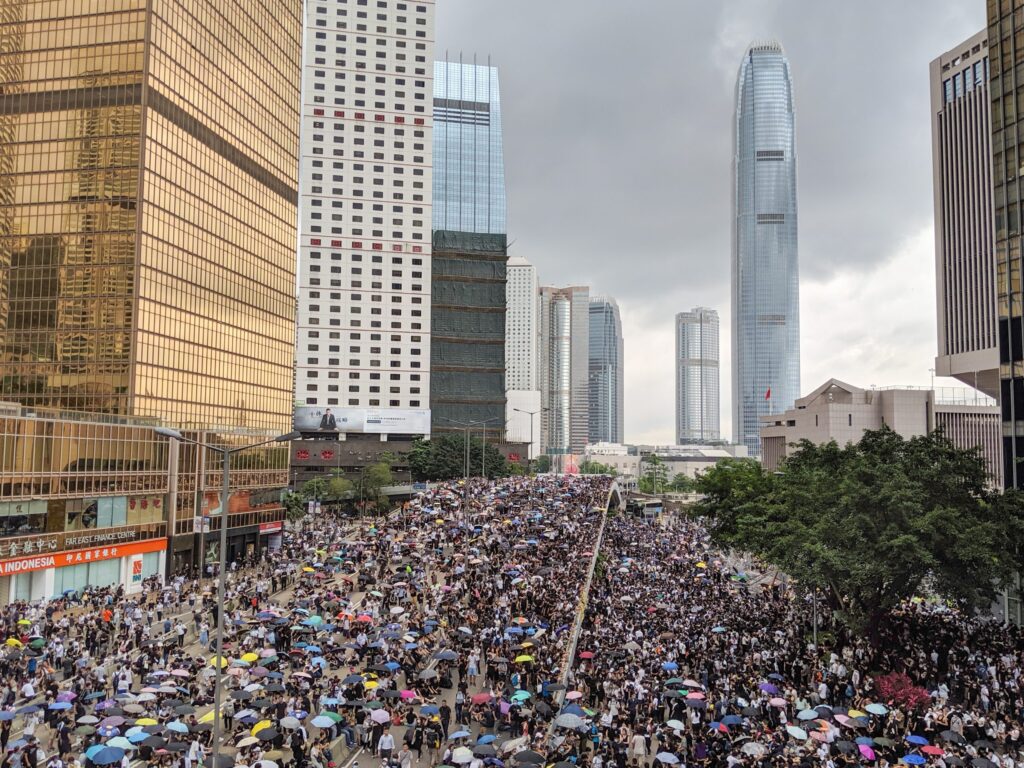
Financial analysts and business leaders warned on 10 February 2020 that the novel coronavirus was eroding Hong Kong’s economic foundation more severely than the six‑month anti‑government protest campaign that had already pushed the city into its first recession in a decade. Financial Secretary Paul Chan Mo‑po confirmed that the virus was delivering “notable negative impacts” across the sectors that normally drive growth – tourism, retail, trading and professional services.
Hong Kong’s economy entered 2019 with a fragile outlook. Protest‑related disruptions had already caused a 1.2 percent contraction for the year, marking the region’s first recession since 2009. The emergence of COVID‑19 in mainland China in late 2019, however, has produced a sharper downturn.
“While no financial impact assessment has been released by management, investors should brace themselves for a material hit to full‑year profits,” noted Helal Miah of Share Centre, reflecting a shift from protest‑related concerns to fears of a prolonged health crisis. Tourism, a cornerstone of Hong Kong’s revenue, has virtually ground to a halt.
Visitor arrivals that had already fallen sharply in the latter half of 2019 were decimated as Chinese and foreign travelers cancelled trips over infection worries. Hotel occupancy fell below 20 percent, airlines reduced schedules, and restaurants reported empty dining rooms. Luxury‑goods firms echoed the gloom; Burberry said the outbreak “is having a material negative effect on luxury demand” and closed 24 of its 64 mainland stores, a move mirrored by other high‑end brands.
The retail sector mirrored the tourism collapse. Sales at many outlets were cut in half, with several stores shutting down completely.
The Hong Kong Retail Management Association described the situation as “unprecedented,” even compared with the SARS epidemic and the 2008 financial crisis. Financial markets also felt the pressure. Late January and early February saw heavy selling on the Hang Seng Index, while trading volumes dropped as investors stayed home. Analysts warned that a sustained outbreak could tarnish Hong Kong’s reputation as a safe, stable hub for international finance, a reputation already dented by the protests.
Supply‑chain links to mainland factories added another layer of vulnerability. With many Chinese production sites closed in early February, Hong Kong’s trading businesses faced delayed shipments and unfilled orders.
Small and medium‑sized enterprises, lacking deep cash buffers, were hit hardest. The government announced loan guarantees and rent‑relief schemes, but many firms argued that the assistance was insufficient and arrived too late. Unemployment is expected to climb beyond the level recorded in the previous quarter as job losses mount across tourism, retail and hospitality.
The budget is projected to slip into deficit for the first time in years, underscoring the breadth of the economic shock. Despite the bleak picture, some observers point to Hong Kong’s rapid recovery after the 2003 SARS outbreak as a possible template for rebound once the virus is contained.
Others remain cautious, noting that the protest movement has not fully subsided and that political uncertainty continues to weigh on confidence. The dual impact of civil unrest and a global health emergency has exposed the city’s reliance on external demand and highlighted the need for greater economic diversification – a process that will likely take several years. In the meantime, Hong Kong’s policymakers and businesses are grappling with an unprecedented survival challenge.




