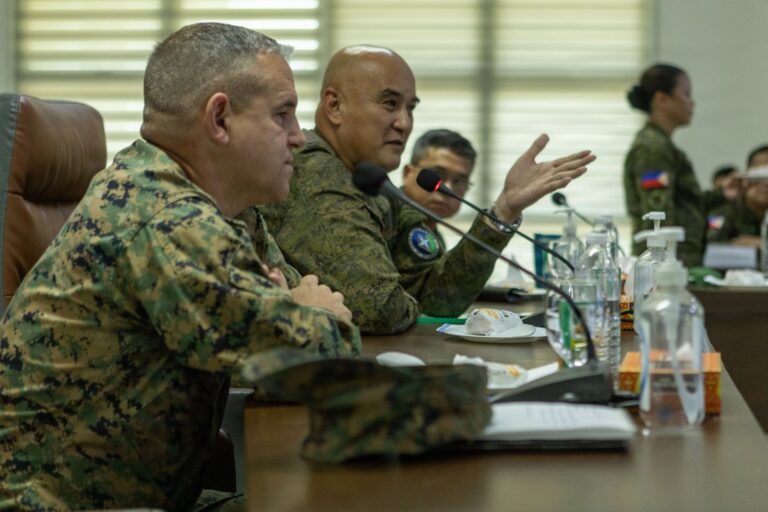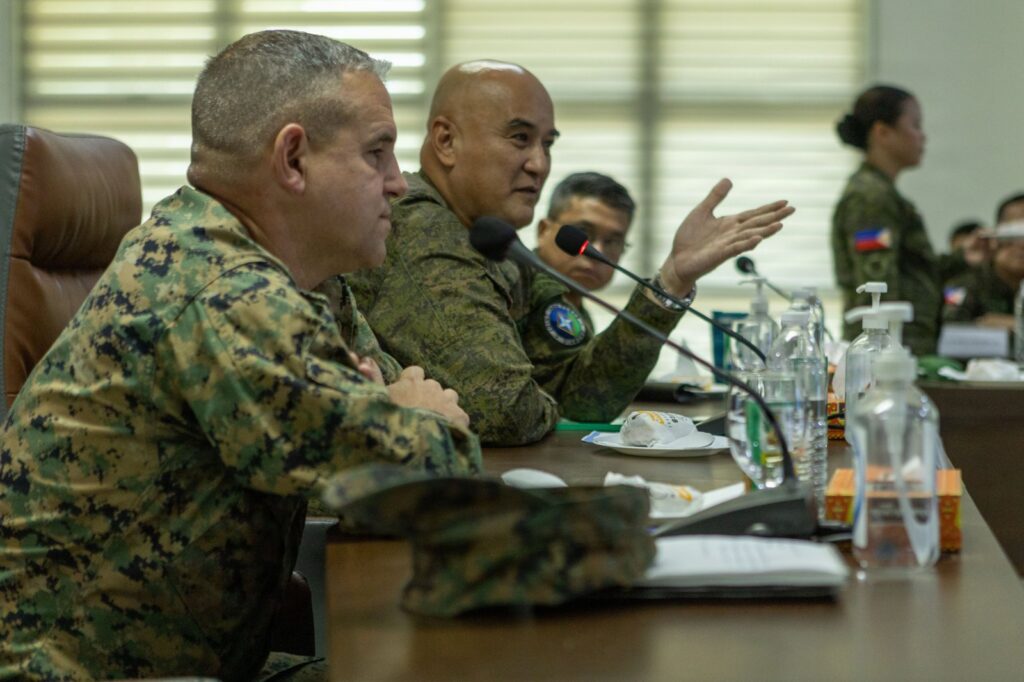
CLARK AIR BASE, November 3, 2026 — The sixth iteration of Marine Rotational Force-Southeast Asia begins a persistent presence in the Philippines, marking the second consecutive rotation focused on the archipelago to strengthen maritime interoperability amid South China Sea tensions.
Transition to Persistent Rotational Presence
The deployment replaces outgoing Commander Colonel Robert Bunn with Colonel Coby Moran, who assumed command at Clark Air Base. The incoming contingent draws from the I Marine Expeditionary Force at Camp Pendleton, California. Unlike earlier rotations that cycled through Brunei, Indonesia, Malaysia, Singapore and Thailand, this iteration sustains focus on the Philippines to maintain continuous knowledge and presence rather than temporary training exercises.
Operational Focus on Maritime Surveillance and Coastal Defense
The rotation centers on coordinating training, combined planning and improving military interoperability. Training areas include command and control, maritime surveillance, weapons coordination and unmanned systems. The 2014 Enhanced Defense Cooperation Agreement provides US forces access to nine Philippine military facilities. The Marines will participate in the upcoming spring Balikatan exercise, building on prior integration with Philippine forces.
Command Turnover and Strategic Integration
Outgoing Commander Colonel Robert Bunn emphasized that purpose drives presence, stating “Presence has to have purpose.” Incoming Commander Colonel Coby Moran said personnel were “inheriting momentum,” placing strategic emphasis on preserving relationships and accumulated lessons as rotations attempt to turn episodic engagement into a more coherent operational presence. This approach supports Manila’s Comprehensive Archipelagic Defense Concept, which prioritises external defence and maritime protection while giving Washington a framework for integrating forces across dispersed locations.
Regional Security Context
The deployment carries messages for both Manila and Beijing. Manila retains an invited American military presence supporting its defence priorities, while Beijing faces an alliance working to make that presence operationally useful through repeated training. China has recently intensified military patrols around the disputed Scarborough Shoal, deploying naval and air forces for combat readiness patrols. The Philippines considers Scarborough Shoal part of its maritime territory and has challenged Chinese activities in the surrounding waters.
What It Means for Communities
For communities and families across the region, the persistent rotation means sustained opportunities for joint training that improve the capability of forces to respond together under demanding conditions. The US is seeking closer military cooperation with Southeast Asian nations amid rising tensions in the South China Sea, with Philippine Defence Secretary Gilbert Teodoro welcoming Washington’s continued involvement as important for regional peace and stability.
The incoming contingent will participate in the next Balikatan exercise in the spring, continuing the work of building combined readiness between US and Philippine forces.
Sources
- US Marines Renew Philippines Rotation, Strengthening South China Sea Defence Links – Defence Security Asia
- China Steps Up Military Patrols Around Scarborough Shoal Amid Renewed Philippines Tensions
- US Pushes Stronger ASEAN Naval Cooperation as South China Sea Disputes Raise Regional Security Concerns
- MRF-SEA Will Maintain Continuous Presence in the Philippines – RealClearDefense
- Marines deepen Philippines presence with second rotation amid China tensions
Photo: U.S. Marine Corps photo by Lance Cpl. Madison Luciano (Public domain)