
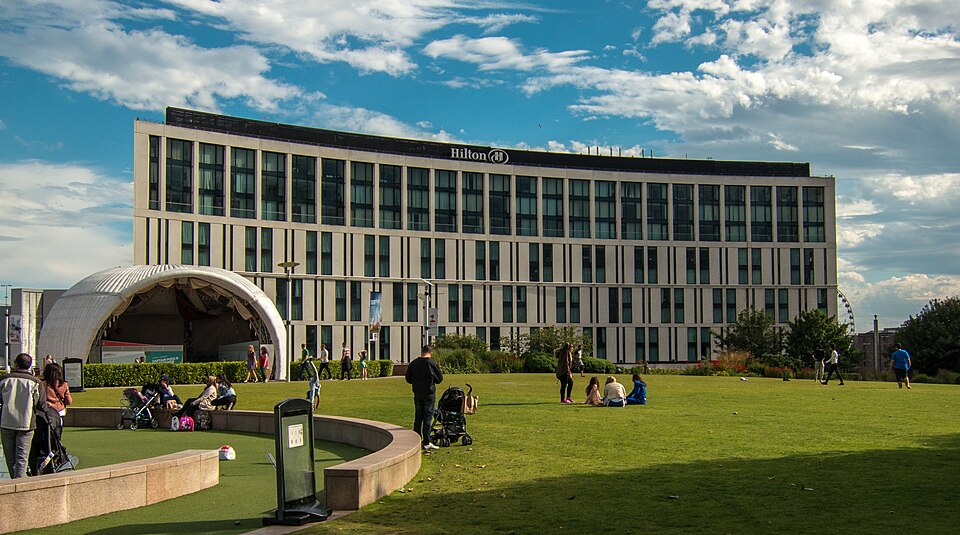
MCLEAN, Va., September 5 — The story begins not with a destination, but with a question. Hilton’s 2026 Trends Report, released this week by the global hospitality giant, suggests that travelers across Southeast Asia are about to reshape how they answer it. The report, titled “The Whycation: Travel’s New Starting Point,” forecasts a fundamental shift in what unfolds when visitors plan their journeys through the region.
At its heart lies a simple premise: the next wave of growth will be driven by travelers who spend more deliberately, stay longer, and demand that their trips mean something beyond the itinerary itself.
The ‘Whycation’ Takes Hold
Hilton, which operates a portfolio of 28 brands comprising more than 9,400 properties and nearly 1.4 million rooms across 144 countries and territories, has positioned its analysis as forward-looking guidance for an industry still finding its footing in a transformed market. For those involved in Southeast Asian tourism — from hoteliers in Bangkok to tour operators in Hanoi — the implications are substantial.
The report indicates that travelers in the Asia-Pacific region, including the key Southeast Asian markets of Singapore, Thailand, Vietnam, and Indonesia, will increasingly prioritize what Hilton terms “whycations”: journeys built around personal purpose rather than passive sightseeing. Wellness, sustainability, and cultural immersion emerge as the specific values steering these decisions.
The traveler of 2026, according to Hilton’s forecast, seeks alignment between their own priorities and what their chosen destination offers.
Longer Stays, Deeper Spending
This translates into concrete behavioral shifts. The report documents a trend toward extended stays and elevated per-trip expenditure, with visitors directing their larger budgets toward accommodations, dining experiences, and local activities that connect them to place and community. The strategic positioning is unmistakable.
Southeast Asia’s established hubs — Singapore’s urban sophistication, Thailand’s established tourism infrastructure, Vietnam’s emerging cultural appeal, Indonesia’s archipelagic diversity — stand to benefit precisely because their existing offerings can be adapted to these evolving preferences. Hilton’s own extensive property network across the region gives the company both incentive and infrastructure to capture this demand.
What Hotels Must Do Next
The report’s conclusion points toward an industry in transition. Hotels and resorts throughout Southeast Asia face pressure to retool their offerings — developing tailored packages, enhancing amenities, and rethinking how they present experiences to a guest segment that is simultaneously budget-conscious and experience-driven. This is not a contradiction the industry can afford to misunderstand.
The “whycation” traveler, as Hilton defines them, expects value but defines it through the quality of engagement rather than the simplicity of transaction. What to watch: whether regional competitors beyond Hilton’s portfolio move equally quickly to capture this segment, and whether the forecasted spending patterns materialize as projected across diverse national economies with varying recovery trajectories.
The reshaping of Southeast Asia’s tourism landscape, the report suggests, has only begun.




